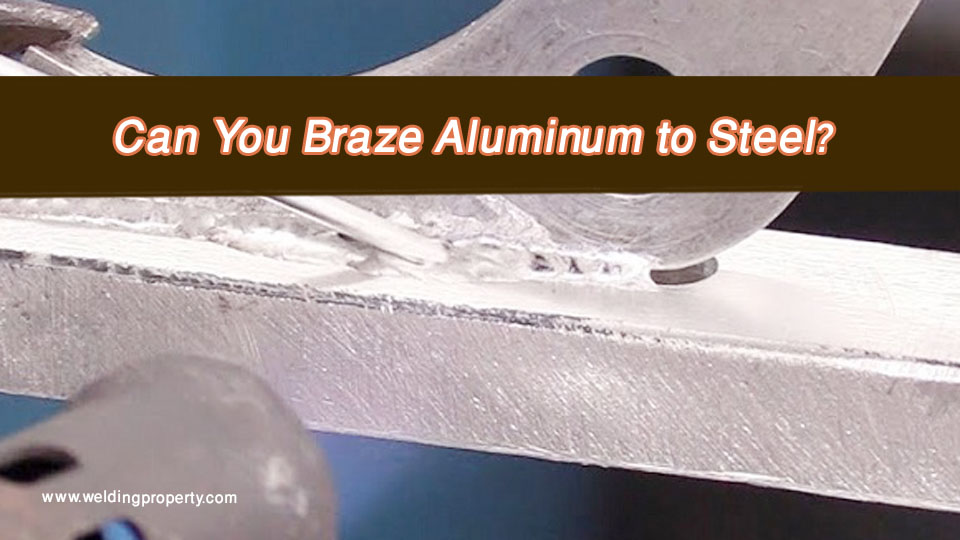
I’ve been asked many times whether it’s possible to braze aluminum with bronze. It’s a great question because aluminum and bronze are two widely used metals, each with its own unique properties.
When working on repairs, fabrications, or artistic projects, you might find yourself in a situation where you need to join these metals together.
Image by thefabricator
Brazing is an excellent method for joining metals without melting the base materials. Aluminum and bronze have very different characteristics, which can make the brazing process tricky.
If you’re curious about whether you can braze aluminum with bronze and how to do it successfully, this guide will help you understand the process, challenges, and best practices.
Understanding the Brazing and How It Works
Brazing is a metal-joining process that uses a filler metal with a lower melting point than the base metals. Unlike welding, which melts the base metals together, brazing keeps them intact and uses capillary action to distribute the molten filler metal between the joint surfaces.
For successful brazing, the filler metal must:
- Melt at a temperature lower than the base metals.
- Form a strong bond with both aluminum and bronze.
- Have good flow characteristics for capillary action.
Challenges of Brazing Aluminum with Bronze
Aluminum and bronze have very different physical and chemical properties. This makes brazing them together a challenge. Here’s why:
Oxide Layers – Aluminum forms a strong oxide layer that resists bonding. It must be removed before brazing.
Different Melting Points – Aluminum has a low melting point (around 1220°F), while bronze melts at a much higher temperature (1650–1900°F). This means there’s a risk of overheating the aluminum while trying to braze the bronze.
Poor Compatibility – Aluminum and bronze don’t naturally bond well because they have different atomic structures and thermal expansion rates.
Can You Braze Aluminum with Bronze?
Yes, it is possible to braze aluminum with bronze, but it requires the right filler metal and process. Standard bronze brazing rods won’t work well because they don’t bond properly with aluminum. Instead, you need a special aluminum-compatible brazing alloy.
Choosing the Right Filler Metal
The key to successful brazing is selecting the correct filler metal. Standard silicon bronze brazing rods won’t work because they don’t bond with aluminum.
You should use an aluminum-zinc or aluminum-silicon filler metal, which can bond with both aluminum and bronze.
Here’s a quick comparison of some common filler metals:
| Filler Metal | Best for Aluminum? | Best for Bronze? | Application Suitability |
|---|---|---|---|
| Silicon Bronze Rods | No | Yes | Not suitable for aluminum |
| Aluminum-Zinc Alloy | Yes | Limited | Can work for certain applications |
| Aluminum-Silicon Alloy | Yes | Yes | Best choice for brazing aluminum to bronze |
| Silver-Based Brazing Alloy | Yes | Yes | Good but expensive |
Preparing the Metals for Brazing
Proper preparation is essential for a strong bond. Here’s what you need to do before brazing aluminum to bronze:
- Clean Both Surfaces – Use a wire brush or sandpaper to remove oxidation, dirt, and grease. Aluminum forms an oxide layer quickly, so clean it right before brazing.
- Use a Suitable Flux – Flux is necessary to prevent oxidation and improve bonding. Choose a flux designed for aluminum brazing.
- Control the Heat – Since aluminum melts at a lower temperature, use a torch with precise heat control to avoid burning through it.
Brazing Process: Step-by-Step
- Set Up Your Work Area – Ensure good ventilation and wear safety gear, including gloves and a welding mask.
- Preheat the Bronze – Since bronze has a higher melting point, heat it first to a temperature just below the melting point of the filler metal.
- Apply Flux – Coat the surfaces with aluminum-compatible flux to help the filler metal flow and bond properly.
- Heat the Aluminum Gently – Be careful not to overheat it. Aluminum doesn’t change color before melting, so monitor the temperature closely.
- Introduce the Filler Metal – Apply the filler rod at the joint, allowing it to flow evenly between the aluminum and bronze.
- Cool Down Slowly – Let the joint cool naturally to prevent cracking due to thermal stress.
Strength and Durability of Brazed Aluminum-Bronze Joints
A properly brazed joint can be strong and durable, but it won’t be as strong as a welded joint. The bond relies on adhesion rather than fusion, which means it works best for low to moderate stress applications.
If you need high-strength bonding, consider using mechanical fasteners or adhesive bonding in addition to brazing.
Best Applications for Aluminum-Bronze Brazing
While brazing aluminum to bronze is not common in heavy industrial applications, it can be useful in specific cases:
- Artistic Metalwork – Combining aluminum and bronze for sculptures or decorative pieces.
- Automotive Repairs – Fixing non-structural aluminum parts to bronze components.
- Electrical Connections – Where conductivity is important but welding is not feasible.
- Custom Fabrication – When joining dissimilar metals in light-duty applications.
Alternative Methods for Joining Aluminum and Bronze
If brazing doesn’t provide the strength you need, here are some alternative methods:
- Friction Stir Welding (FSW) – Works well for joining aluminum and bronze but requires specialized equipment.
- Adhesive Bonding – High-strength industrial adhesives can create a durable bond.
- Mechanical Fasteners – Bolts, rivets, or clamps can hold aluminum and bronze parts together without heat.
Conclusion
Brazing aluminum with bronze is possible, but it requires the right materials and techniques. You need to use a filler metal that can bond with both metals, carefully control the heat, and properly clean and prepare the surfaces. While brazing can create a strong joint, it’s not always the best option for high-strength applications.
If you’re working on a project that requires joining aluminum and bronze, consider the specific application, load requirements, and available equipment. In some cases, alternative joining methods like adhesive bonding or mechanical fasteners may be better choices.
If you’re still unsure, feel free to ask—I’d be happy to help guide you through the best method for your specific project!
FAQs
Can you braze aluminum to bronze using a standard torch?
Yes, but you need precise heat control to avoid overheating the aluminum while properly heating the bronze.
What is the best filler metal for brazing aluminum to bronze?
An aluminum-silicon or aluminum-zinc alloy works best for bonding these two metals.
Does brazing create a strong bond between aluminum and bronze?
Brazing forms a strong joint, but it’s not as strong as welding. It’s best for low to moderate stress applications.
Can you use silicon bronze rods for brazing aluminum?
No, silicon bronze rods don’t bond well with aluminum. You need a filler metal specifically designed for aluminum brazing.
Is brazing aluminum to bronze better than welding?
It depends on the application. Brazing is easier and works well for non-structural joints, while welding provides a stronger bond but is more complex.
If you have more questions, let me know—I’d be happy to help!