
I’ve replaced copper pipes in countless homes, from cozy bungalows to sprawling estates. If you’re wondering how much to replace copper pipes in a house, you’re likely facing a plumbing issue or planning a renovation. I’ve been there, standing in a client’s basement, assessing a maze of old pipes, and I know the question isn’t just about cost—it’s about peace of mind.
I’ll break down the factors that affect the cost, share my hands-on insights, and help you understand what to expect. My goal? To give you clear, honest answers as if we’re chatting over coffee.
Replacing copper pipes is a big job, but it’s often necessary for older homes with leaks, corrosion, or outdated systems. Costs can range from $2,000 to $15,000 or more, depending on your home’s size, pipe material, and labor rates. Let’s dive into the details so you can budget wisely and avoid surprises.
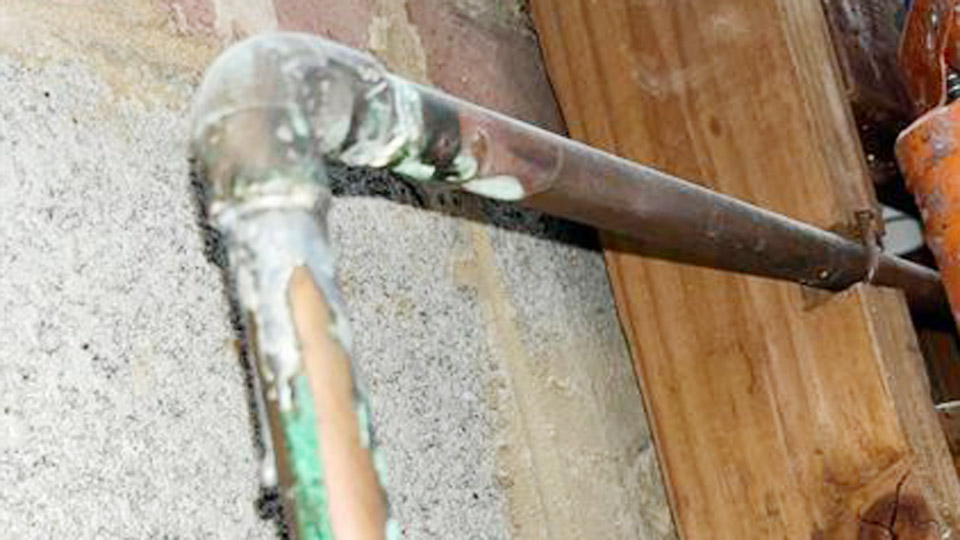
Image by reddit
Why Replace Copper Pipes?
Copper pipes are durable, but they’re not invincible. I’ve seen homes from the 1960s with copper systems still going strong, but others develop pinhole leaks or corrosion after 20-30 years. Common reasons to replace copper pipes include:
- Leaks: Pinhole leaks from corrosion or wear can flood your home.
- Low Water Pressure: Mineral buildup or corrosion narrows pipes over time.
- Renovations: Upgrading plumbing during a remodel ensures code compliance.
- Lead Concerns: Older homes may have lead-soldered joints, a health risk.
I once worked on a 1950s ranch house where the homeowner ignored a small leak. By the time I got there, the basement was a swamp, and the repair cost tripled. Replacing pipes proactively can save you from headaches like that.
Factors That Affect the Cost of Replacing Copper Pipes
The cost to replace copper pipes varies widely. Based on my experience, here are the key factors that drive the price.
Home Size and Pipe Length
The bigger your house, the more pipe you need. A 1,500-square-foot home might have 100-150 feet of piping, while a 3,000-square-foot home could need 300 feet or more. I’ve found that most plumbers charge $10-$20 per linear foot for copper pipe, including materials and labor.
| Home Size (sq. ft.) | Estimated Pipe Length | Approximate Cost |
|---|---|---|
| 1,000-1,500 | 100-150 ft | $2,000-$4,500 |
| 1,500-2,500 | 150-250 ft | $3,000-$7,500 |
| 2,500-4,000 | 250-400 ft | $5,000-$12,000 |
These are ballpark figures. Your actual cost depends on the complexity of the job.
Pipe Material: Copper vs. Alternatives
Copper is the gold standard for water lines, but some homeowners opt for alternatives like PEX (cross-linked polyethylene). I’ve installed both, and here’s how they compare:
| Material | Cost per Foot | Pros | Cons |
|---|---|---|---|
| Copper | $10-$20 | Durable, reliable, code-approved | Expensive, labor-intensive |
| PEX | $4-$8 | Cheaper, easier to install | Less durable, not always code-approved |
I prefer copper for its longevity, but PEX can save money if your budget’s tight. One job I did involved switching to PEX for a client’s rental property—it cut costs by 30%, but I warned them it might not last as long.
Labor Costs and Regional Differences
Labor is the biggest chunk of the bill. In my area, plumbers charge $50-$150 per hour, depending on experience. In high-cost regions like California or New York, rates can hit $200 per hour. A full replacement for a medium-sized home takes 20-40 hours, so labor alone can run $1,000-$6,000.
I once quoted a job in a rural area at $3,500, but the same job in a nearby city would’ve been $5,000 just because of higher labor rates. Check local rates to get a clearer picture.
Accessibility and Demolition
Pipes behind walls or under floors are a pain to replace. I’ve spent hours cutting through drywall or crawling under houses to access old copper lines. If your pipes are in tight spots, expect extra costs for:
- Demolition: $500-$2,000 to open walls or floors.
- Repairs: $500-$3,000 to patch drywall, repaint, or replace flooring.
In one memorable job, I had to remove a kitchen island to reach a main water line. The plumbing was straightforward, but the demolition and restoration added $1,500 to the bill.
Permits and Code Compliance
Most areas require permits for major plumbing work. Permits cost $50-$500, depending on your city. I’ve also run into strict local codes that require specific pipe sizes or materials, which can bump up costs. For example, some areas mandate copper for main water lines, while others allow PEX.
Always check with your local building department. I learned this the hard way when a job got delayed because I didn’t pull a permit upfront.
Additional Repairs or Upgrades
Replacing pipes often uncovers other issues. I’ve found rusted valves, outdated fixtures, or even mold from old leaks. Common add-ons include:
- New Valves: $100-$300 each.
- Water Heater Replacement: $1,000-$3,000.
- Pressure Regulators: $200-$500.
These extras can add $500-$5,000 to the project. Plan for surprises, especially in older homes.
Estimating Your Total Cost
Based on my experience, here’s a rough breakdown for a typical 2,000-square-foot home:
- Materials: $1,500-$3,000 (copper pipes, fittings, valves).
- Labor: $2,000-$5,000 (20-40 hours at $50-$150/hour).
- Demolition/Repairs: $500-$2,000.
- Permits: $100-$500.
- Total: $4,100-$10,500.
Smaller homes might cost $2,000-$5,000, while larger or complex jobs can hit $15,000 or more. I always tell clients to get multiple quotes—prices vary, and a good plumber will explain every line item.
Step-by-Step Process of Replacing Copper Pipes
I’ve done enough pipe replacements to know the process inside out. Here’s how it works, step by step, so you know what to expect.
Step 1: Assess the System
I start by mapping the plumbing system. I check for leaks, corrosion, or outdated materials like lead solder. This helps me estimate pipe length and identify tricky spots. For one client, I found a hidden leak behind a bathroom wall that would’ve gone unnoticed without a thorough inspection.
Step 2: Shut Off Water and Drain
Turn off the main water supply and open faucets to drain the system. I once forgot to drain a line completely, and water sprayed everywhere when I cut the pipe. Lesson learned: double-check the system is dry.
Step 3: Remove Old Pipes
Using a pipe cutter, I remove the old copper pipes. If they’re behind walls, I cut drywall or floorboards as needed. This part’s messy, so I cover furniture and floors with drop cloths. In tight spaces, I use a reciprocating saw for precision.
Step 4: Install New Pipes
I measure and cut new copper pipes, then braze them together with fittings. Brazing is my preferred method—it’s stronger than soldering and perfect for water lines. I clean each pipe, apply flux, and heat the joint until the filler metal flows. This step takes patience; rushing leads to leaks.
Step 5: Test the System
Once the pipes are installed, I turn the water back on and check for leaks. I use a pressure gauge to ensure the system holds 80-100 psi, standard for residential plumbing. If there’s a leak, I re-braze or replace the joint.
Step 6: Restore the Space
After testing, I patch walls, repaint, or replace flooring. I’ve worked with contractors who handle this part, but I’ve also done small drywall repairs myself to keep costs down.
Copper vs. PEX: Which Should You Choose?
I get asked this a lot: should you stick with copper or switch to PEX? Here’s my take, based on years of installing both.
Copper Pipes
Copper’s been my go-to for decades. It’s durable, resists corrosion, and meets most plumbing codes. I’ve seen copper systems last 50+ years with minimal issues. But it’s pricey, and brazing takes skill. If you want a system that’ll outlast you, copper’s worth the investment.
PEX Pipes
PEX is cheaper and easier to install—I can snake it through walls without soldering. It’s flexible, so it’s great for retrofits. But PEX can degrade under UV light or extreme heat, and some codes don’t allow it for main lines. I used PEX for a budget-conscious client, and it worked fine, but I wouldn’t trust it in a high-pressure system.
Ultimately, copper’s my pick for reliability, but PEX is a solid choice if you’re watching your wallet.
Hidden Costs to Watch For
Replacing copper pipes isn’t just about pipes and labor. Here are some sneaky costs I’ve seen catch homeowners off guard:
- Mold Remediation: Leaks can cause mold, costing $1,000-$5,000 to fix.
- Fixture Upgrades: New pipes might not match old fixtures, adding $100-$500 per fixture.
- Temporary Housing: If your water’s off for days, you might need a hotel ($100-$300/night).
I had a client who budgeted $4,000 for a pipe replacement but ended up spending $7,000 because of mold cleanup. Always set aside 10-20% extra for surprises.
How to Save Money on Pipe Replacement
I know plumbing bills can sting, so here are ways to keep costs down without cutting corners:
- Get Multiple Quotes: I’ve seen price differences of $2,000 between plumbers for the same job.
- Opt for PEX in Non-Critical Areas: Use PEX for branch lines to save on materials.
- Do Minor Demolition Yourself: If you’re handy, remove drywall or flooring to reduce labor costs.
- Plan During Off-Peak Seasons: Plumbers are cheaper in fall or winter when demand’s low.
One client saved $1,000 by removing old drywall himself before I started. Just make sure you know what you’re doing to avoid extra repairs.
When to Call a Professional vs. DIY
I’m all for DIY, but replacing copper pipes is tough. Brazing requires skill, and mistakes can lead to leaks or code violations. I’ve fixed plenty of botched DIY jobs where homeowners tried to save money but ended up with bigger bills.
If you’re comfortable with a torch and have plumbing experience, you might tackle a small job. For whole-house replacements, call a pro. The average homeowner doesn’t have the tools or know-how to handle 200 feet of pipe in a weekend.
Practical Tips for Homeowners
Here’s some hard-earned advice from years in the trenches:
- Inspect Regularly: Check for green corrosion or damp spots under sinks. Catching issues early saves thousands.
- Know Your Home’s Age: Houses built before 1986 might have lead solder. Replace those pipes ASAP.
- Ask About Warranties: Good plumbers offer 1-5 years on labor and materials. I always give clients a warranty for peace of mind.
- Keep Records: Save receipts and permits for future home sales. Buyers love documented upgrades.
- Budget for Extras: Set aside 15% of your quote for unexpected costs like mold or fixture replacements.
These tips have helped my clients avoid surprises, and they’ll do the same for you.
Planning Your Pipe Replacement with Confidence
Replacing copper pipes in your house is a big investment, but it’s one that pays off in reliability and peace of mind. Whether you’re fixing leaks or upgrading an old system, understanding the costs—materials, labor, permits, and surprises—helps you plan smart.
I’ve seen the relief on homeowners’ faces when their new pipes are in, water’s flowing, and there’s no sign of leaks. With the right prep and a skilled plumber, you’ll have a plumbing system that lasts for decades.
If you’re facing this project, take a deep breath and tackle it one step at a time. Get quotes, ask questions, and don’t skimp on quality. Your home deserves it. Got more questions? Check out the FAQs below, and feel free to reach out if you need guidance. Here’s to a leak-free future!
FAQ
How much does it cost to replace copper pipes in a 2,000-square-foot house?
For a 2,000-square-foot home, expect $4,000-$10,000, including materials, labor, and permits. Costs vary based on pipe length, accessibility, and local labor rates.
Can I replace copper pipes with PEX to save money?
Yes, PEX is cheaper—$4-$8 per foot vs. $10-$20 for copper. It’s easier to install but less durable. Check local codes, as some areas require copper for main lines.
How long does it take to replace copper pipes in a house?
A full replacement takes 2-5 days, depending on the home’s size and complexity. Smaller jobs, like a single bathroom, might take a day.
Do I need a permit to replace copper pipes?
Most cities require permits for major plumbing work, costing $50-$500. I always pull permits to avoid code issues or fines.
Can I keep some copper pipes and replace only the damaged ones?
Yes, partial replacements are common for leaks or corrosion. It’s cheaper—$500-$2,000—but matching old and new pipes can be tricky.
What are signs my copper pipes need replacing?
Look for leaks, low water pressure, green corrosion, or discolored water. If your home’s over 30 years old, have a plumber inspect the system.


