I’ve been welding for years, and there’s something satisfying about joining copper water pipes with a perfect braze. The glow of the torch, the hiss of the flame, and the way the filler metal flows into the joint—it’s almost like an art form. If you’re here to learn how to braze copper water pipe, you’re in the right place.
I’m going to walk you through the process, step by step, as if we’re working side by side in my shop. Whether you’re a DIY homeowner or a budding plumber, this guide is built from real experience to help you get a leak-free, professional-quality joint.
Brazing copper water pipes is a reliable way to create strong, durable connections for plumbing systems. Unlike soldering, brazing uses higher temperatures and stronger filler metals, making it ideal for water lines that need to withstand pressure and time. Let’s dive into the details, from tools to techniques, and I’ll share some hard-earned tips to save you frustration.
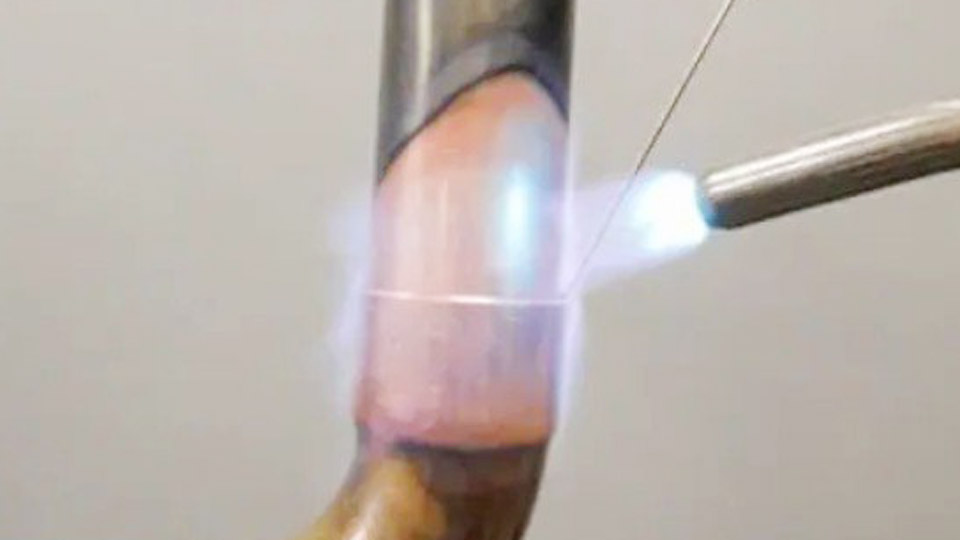
Image by dodomachine
What Is Brazing, and Why Use It for Copper Water Pipes?
When I first started working with copper pipes, I confused brazing with soldering. They’re similar, but brazing is the go-to for water pipes because it creates a tougher bond. Brazing involves heating the copper to over 840°F and using a filler metal (usually a silver or copper-phosphorus alloy) that melts and flows into the joint. The result? A connection that’s stronger than soldering and perfect for high-pressure water lines.
I’ve seen brazed joints hold up for decades in homes, even under constant water flow. Unlike glue or push-fit connectors, brazing doesn’t degrade over time, and it’s approved by most plumbing codes for potable water systems. Plus, it’s versatile—you can braze copper pipes for hot or cold water lines, indoors or out.
Brazing vs. Soldering: What’s the Difference?
Let me clear this up with a quick comparison, because I get this question a lot:
| Aspect | Brazing | Soldering |
|---|---|---|
| Temperature | Above 840°F | Below 840°F |
| Filler Metal | Silver or copper-phosphorus alloys | Tin-lead or lead-free solder |
| Strength | Stronger, ideal for high-pressure pipes | Weaker, better for low-pressure systems |
| Skill Level | Moderate, requires practice | Easier, beginner-friendly |
| Common Use | Plumbing, HVAC, refrigeration | Electronics, light plumbing |
Brazing is my choice for copper water pipes because it’s robust and reliable. Soldering might work for smaller projects, but it’s not as durable for main water lines.
Tools and Materials You’ll Need
Before we start, let’s gather the gear. I remember my first brazing job—I was scrambling to find the right tools mid-project, and it was a mess. Here’s what you’ll need to braze copper water pipes like a pro:
- Propane or MAPP gas torch: MAPP burns hotter and works faster, but propane is fine for smaller pipes.
- Brazing rods: Use silver-based or copper-phosphorus rods (I like 15% silver for water pipes).
- Flux: A paste to clean the metal and help the filler flow.
- Pipe cutter: For clean, square cuts.
- Emery cloth or wire brush: To clean the pipe surfaces.
- Fitting brush: For cleaning the inside of fittings.
- Safety gear: Gloves, safety glasses, and a fire-resistant cloth to protect nearby surfaces.
- Fire extinguisher: Always have one nearby, just in case.
- Pipe and fittings: Ensure they’re copper and the right size (e.g., ½-inch or ¾-inch for residential water lines).
Pro tip: Double-check that your brazing rods are compatible with potable water systems. Some alloys aren’t safe for drinking water, so look for NSF/ANSI 61 certification.
Preparing Your Workspace and Pipes
I can’t stress this enough: preparation is everything. A sloppy setup leads to leaky joints, and I’ve learned that the hard way. Here’s how to set yourself up for success.
Step 1: Shut Off the Water Supply
Before you touch the pipes, turn off the water supply. I once forgot this on a repair job, and let’s just say I got a free shower. Open a faucet to drain any remaining water, and dry the pipe completely—water and brazing don’t mix.
Step 2: Cut the Pipe
Use a pipe cutter to make a clean, square cut. I’ve tried hacksaws in a pinch, but they leave jagged edges that mess up the joint. Rotate the cutter around the pipe until it slices through, then deburr the edges with the cutter’s reaming tool or a file.
Step 3: Clean the Surfaces
Dirty pipes are the enemy of a good braze. Grab your emery cloth or wire brush and scrub the outside of the pipe until it shines. For fittings, use a fitting brush to clean the inside. I spend a good minute on this step—clean metal ensures the filler flows properly.
Step 4: Apply Flux
Dip a brush into your flux paste and coat the outside of the pipe and the inside of the fitting. Flux prevents oxidation and helps the filler metal bond. Don’t skimp here; a thin, even layer does the trick. I’ve seen guys skip flux and end up with weak joints that leak within weeks.
Step 5: Assemble the Joint
Slide the pipe into the fitting until it’s fully seated. Give it a slight twist to spread the flux evenly. If it’s loose, you’ve got the wrong size fitting—double-check before proceeding.
The Brazing Process: Step-by-Step
Now comes the fun part: firing up the torch. I still get a little thrill every time I light it. Follow these steps, and you’ll have a solid joint in no time.
Step 1: Set Up Your Torch
Attach your torch head to the gas canister and open the valve slightly. Light the torch with a striker (never a lighter—it’s unsafe). Adjust the flame until it’s a steady blue cone. For MAPP gas, you want a sharp, focused flame; for propane, it’s a bit softer but still hot.
Step 2: Heat the Joint
Hold the torch about an inch from the joint, moving it in small circles to heat the pipe and fitting evenly. Focus on the fitting first, as it’s thicker and takes longer to heat. You’ll know it’s hot enough when the flux starts to bubble and turn clear—usually around 600-700°F. Don’t rush this; I’ve burned through filler rods by heating too fast.
Step 3: Apply the Brazing Rod
Touch the brazing rod to the joint where the pipe meets the fitting. If the metal’s hot enough, the rod will melt and flow into the gap by capillary action. Move the rod around the joint to ensure even coverage. I usually use about 1-2 inches of rod for a ½-inch pipe joint. Don’t overdo it—too much filler can clog the pipe.
Step 4: Cool and Inspect
Let the joint cool naturally—don’t dunk it in water, as that can weaken the bond. Once it’s cool, wipe off excess flux with a damp cloth. Check for gaps or uneven filler. A good brazed joint looks smooth and shiny, with no visible holes.
Common Mistakes and How to Avoid Them
I’ve made plenty of mistakes over the years, and I want you to avoid them. Here are the big ones:
- Overheating the Pipe: Too much heat can burn the flux or weaken the copper. Keep the flame moving and watch for the flux to turn clear.
- Dirty Surfaces: If the pipe or fitting isn’t shiny, the filler won’t stick. Clean thoroughly.
- Wrong Filler Metal: Using non-potable-safe rods for water lines can contaminate your system. Always check certifications.
- Poor Ventilation: Brazing produces fumes, so work in a well-ventilated area or wear a respirator.
One time, I overheated a joint in a tight crawlspace, and the flux burned off before I could apply the rod. The joint leaked, and I had to redo it. Lesson learned: patience and preparation matter.
Safety First: Protecting Yourself and Your Space
Brazing involves fire, so safety is non-negotiable. I’ve had a few close calls—like setting a rag on fire because I didn’t shield my workspace. Here’s how to stay safe:
- Wear flame-resistant gloves and safety glasses.
- Keep a fire extinguisher within arm’s reach.
- Place a fire-resistant cloth behind the joint to protect walls or wood.
- Work in a well-ventilated area to avoid inhaling flux fumes.
- Never braze near flammable materials like paint cans or insulation.
If you’re working in a tight space, like under a sink, take extra time to clear the area. It’s worth the effort to avoid a disaster.
When to Braze vs. Use Other Methods
Brazing isn’t always the best choice. I’ve had clients ask me to braze when a push-fit connector would’ve been faster and just as effective for a low-pressure line. Here’s a quick guide:
| Method | Best For | Pros | Cons |
|---|---|---|---|
| Brazing | High-pressure water lines, permanent fixes | Strong, durable, code-compliant | Requires skill, equipment |
| Push-Fit | Quick repairs, low-pressure lines | Easy, no tools needed | Less durable, not always code-approved |
| Compression | Temporary fixes, accessible areas | Simple to install | Can leak over time |
For copper water pipes in a home’s main water supply, brazing is usually the gold standard. It’s what I use when I want a joint that’ll last 20+ years.
Troubleshooting Leaky Joints
Even pros like me get a leaky joint now and then. If your brazed joint leaks, don’t panic. Here’s what to do:
- Drain the System: Turn off the water and drain the pipe.
- Inspect the Joint: Look for gaps or incomplete filler flow.
- Reheat and Reflow: Clean the joint, reapply flux, and try brazing again.
- Replace if Needed: If the joint is too damaged, cut it out and start fresh.
I once had a stubborn leak because I didn’t clean the pipe well enough. A quick scrub and re-braze fixed it. Persistence pays off.
Practical Tips for Perfect Brazing
Here are some nuggets of wisdom from years of torch work:
- Practice on Scrap: Before tackling a real water line, practice on spare copper pieces. It builds confidence.
- Use the Right Torch Tip: A smaller tip gives you better control for tight spaces.
- Check Local Codes: Some areas require specific brazing alloys for potable water. Always check.
- Keep Your Torch Steady: Shaky hands lead to uneven heating. Rest your arm if needed.
- Store Flux Properly: Old, crusty flux doesn’t work well. Keep it sealed in a cool, dry place.
These little tricks have saved me time and headaches, and they’ll do the same for you.
Conclusion: Brazing Copper Pipes Like a Pro
Brazing copper water pipes is a skill that’s equal parts science and art. There’s nothing quite like the feeling of finishing a clean, leak-free joint that you know will hold up for years. By following the steps I’ve laid out—prepping thoroughly, heating evenly, and using the right materials—you’ll get results you can be proud of. It takes practice, but don’t let that scare you. Every welder starts somewhere, and with a bit of patience, you’ll be brazing like a seasoned pro.
If you’re tackling a plumbing project, take your time, stay safe, and enjoy the process. There’s something deeply rewarding about working with your hands and building something that lasts. Got questions? Check out the FAQs below, and feel free to reach out if you need more guidance. Happy brazing!
FAQ
What’s the best brazing rod for copper water pipes?
I recommend 15% silver brazing rods for most water pipe jobs. They’re strong, flow well, and are usually NSF/ANSI 61 certified for potable water. Copper-phosphorus rods are cheaper but can be trickier to work with.
Can I braze copper pipes without flux?
I wouldn’t. Flux cleans the metal and helps the filler flow smoothly. Skipping it often leads to weak joints or leaks. I’ve tried it in a pinch, and it’s not worth the hassle.
How long does it take to braze a copper pipe joint?
For a ½-inch pipe, it takes me about 2-3 minutes to heat and braze a single joint. Prep work adds another 5 minutes. With practice, you’ll get faster.
Is brazing copper pipes safe for drinking water?
Yes, as long as you use NSF/ANSI 61-certified brazing rods and flux. I always double-check labels to ensure they’re safe for potable water systems.
Can I braze copper pipes in a tight space?
It’s tricky but doable. Use a smaller torch tip and a fire-resistant cloth to protect nearby surfaces. I’ve brazed under sinks plenty of times—just take extra care with safety.
Why does my brazed joint keep leaking?
Leaks usually come from dirty surfaces, poor heating, or not enough filler. Clean the pipe thoroughly, heat evenly, and ensure the filler flows all the way around the joint. If it still leaks, reheat and reflow or replace the joint.