I’ve burned a lot of rods on exhaust work over the years, and I can tell you straight up—welding thin exhaust pipe with a stick welder isn’t the easiest job. The metal’s usually thin, rusty, and awkward to position, which makes controlling your arc and avoiding burn-through a real challenge.
But with the right joint prep, a smaller diameter filler rod, and tight heat control, you can get a solid weld that’ll hold.
Whether you’re patching a cracked section, replacing a flange, or just learning how stick compares to MIG or TIG on thin material, knowing the right technique can save you time, frustration, and money.
I’ll walk you through step-by-step tips on how to weld exhaust pipe with a stick welder so you get a strong, clean repair without blowing holes through your metal.
Image by shutterstock
Can You Weld Exhaust Pipe with a Stick Welder
Absolutely, you can weld exhaust pipe with a stick welder, but it’s not always the first choice for everyone. Exhaust pipes are typically made of mild steel, around 16 to 18 gauge thick—that’s about 1/16 inch or 1.6mm—which makes them prone to warping or holes if your heat’s too high.
I’ve welded plenty of them on older vehicles where the pipe rusted out near the muffler, and stick works fine if you’re patient.
The key is understanding when stick shines: it’s great for outdoor jobs or places without power for MIG setups, and you don’t need shielding gas. Pros in fabrication shops might prefer it for quick fixes on heavy-duty exhausts, like on diesel trucks.
For hobbyists or students, it’s a good learning tool since it teaches heat control. But if you’re new, practice on scrap first—I once blew a hole in a buddy’s tailpipe because I rushed it. Compared to MIG, stick is cheaper upfront, but it demands more skill on thin stuff.
Best Rods for Stick Welding Exhaust Pipe
Choosing the right rod is half the battle when stick welding exhaust pipe. You want something with low penetration to avoid burning through that thin metal. My go-to is 6013 rods—they’re user-friendly, produce a smooth arc, and work well on rusty or dirty surfaces common in exhaust work.
For most jobs, grab 1/16-inch or 3/32-inch 6013. They’re designed for sheet metal and give a nice bead without too much spatter. If the pipe’s galvanized or coated, 6010 or 6011 cuts through better, but they’re more aggressive, so dial down the amps. I’ve used 7014 on occasion for its softer arc, especially on cleaner pipes, but it’s not my first pick for exhaust.
Avoid 7018 on super-thin stuff unless you’re experienced—it needs higher amps and can overheat the joint. Always match the rod to mild steel filler for compatibility. I remember welding a cracked manifold on an old Ford with 6013, and it held up for years.
Tip: Buy rods in small packs to keep them dry; moisture ruins the flux and your welds.
Here’s a quick comparison table of common rods for exhaust:
| Rod Type | Size Recommendation | Best For | Amps Range (for 1/16-3/32″) |
|---|---|---|---|
| 6013 | 1/16″ or 3/32″ | Thin, rusty pipes | 30-60 amps |
| 6010 | 3/32″ | Coated or dirty metal | 50-70 amps |
| 6011 | 3/32″ | AC/DC, general purpose | 50-70 amps |
| 7014 | 3/32″ | Softer arc, clean joints | 40-60 amps |
Amperage and Polarity Settings for Thin Exhaust Pipe
Settings make or break your weld on thin exhaust pipe. Start low—too much heat, and you’ll punch holes faster than you can say “blowout.” For most stick welders like a Lincoln or Miller Thunderbolt, set your amperage between 40 and 60 amps for 1/16-inch rods. I usually crank it to 45-50 amps on DC electrode negative (DCEN) for less penetration.
Why DCEN? It puts more heat on the rod, not the workpiece, which is crucial for thin metal. If your machine’s AC-only, like some older buzz boxes, you can still do it, but DC gives better control. On a 3/32-inch 6013, I might bump to 55 amps for a butt joint, but test on scrap.
Personal story: I was fixing a tailpipe on my work truck, set too high at 70 amps, and melted right through. Dropped to 45, and it flowed perfect. Always adjust based on your machine—Hobart Stickmates run hot, so start lower. And remember, overhead welding under the vehicle needs even finer tuning to fight gravity.
Preparing Your Exhaust Pipe for Welding
Prep work is where good welds start, especially on exhaust that’s seen road salt and grime. First, jack up the vehicle safely or remove the pipe if possible—working underneath is cramped and dangerous. Clean the area with a wire brush or grinder to remove rust, scale, and old coatings. Aluminized pipes have a layer that contaminates the puddle, so grind it off.
Cut out bad sections with a reciprocating saw or angle grinder, leaving clean edges. For joints, expand one end slightly with a pipe expander for a slip fit, or butt them if it’s tight. Ensure good alignment; a crooked pipe vibrates and fails faster.
Tip: Soak rusty spots in muriatic acid briefly, rinse well, and dry. I’ve done this on farm tractor exhausts, and it makes welding smoother. For filler compatibility, stick to mild steel rods—no need for fancy alloys unless it’s stainless. Double-check for leaks by blowing air through before welding.
Common mistake: Skipping cleaning. I once welded over grease, and the bead popped off after a week. Fix it by always degreasing with brake cleaner.
Step-by-Step Guide to Stick Welding Exhaust Pipe
Alright, let’s get hands-on. Here’s how I weld exhaust pipe with a stick welder, step by step. Assume you’ve got your prep done and safety gear on.
- Set up your welder: Dial in 45-55 amps, DCEN, with a 1/16-inch 6013 rod. Ground clamp close to the weld area—clamp it to vice grips on the pipe to avoid arcing through bearings.
- Tack the joint: Hold the rod at a 15-20 degree angle, strike an arc, and make quick tacks every few inches around the pipe. Let them cool to avoid warping.
- Weld short beads: Start at the bottom, drag the rod in short, 1-inch bursts. Whip it slightly to flow metal without digging. Pause after each bead to let it cool—no red glow before the next.
- Build up layers if needed: For gaps or thin spots, add a second pass after chipping slag. Overlap slightly for strength.
- Check for leaks: After cooling, use soapy water and air pressure to test. Grind any high spots smooth.
I used this on a buddy’s Jeep exhaust—short tacks first, then filled in. Took 20 minutes, held strong. For overhead work, lean the rod away to direct heat properly.
Common Mistakes and How to Avoid Burn-Through
Burn-through is the biggest headache when stick welding exhaust pipe. It happens when heat builds too fast on thin metal, melting a hole. Common mistake: Running too hot or too long without cooling. Fix: Short beads and low amps, like I mentioned.
Another error: Poor fit-up. Gaps suck in air and weaken the weld. Clamp pieces tight or use magnets. I’ve seen newbies forget to chip slag between passes, leading to inclusions—always clean with a chipping hammer.
Rushing the arc strike can spatter everywhere. Strike gently, like lighting a match. And don’t weld galvanized pipe without grinding off the coating—fumes are toxic. Pro tip: If you blow a hole, patch it with a small sheet metal piece and tack around.
Safety Considerations When Welding Exhaust
Safety first, folks—welding exhaust means dealing with fumes, heat, and tight spaces. Always wear a helmet with at least shade 10 lens, leather gloves, and flame-resistant clothes. I’ve had sparks drop into my boots; now I tape them shut.
Work in a ventilated area or use a fume extractor—exhaust gases plus welding smoke are no joke. Disconnect the battery if welding on the vehicle to protect electronics. Fire watch: Keep an extinguisher handy for any flammable undercoating.
For under-car work, use jack stands, not just a jack. And PPE includes ear plugs for the noise. I learned the hard way when a slag popped and burned my arm—now I layer up.
Pros and Cons of Stick Welding Exhaust Pipe
Stick welding exhaust has its place, but let’s weigh it against MIG or TIG.
Pros of stick:
- Portable, no gas bottles.
- Cheap rods and machines.
- Works on dirty or rusty metal.
Cons:
- Harder on thin pipe—risk of burn-through.
- Slower with rod changes.
- Messier beads if not skilled.
MIG is faster for exhaust, with better control on thin stuff, but needs gas and power. TIG is precise for stainless but overkill for mild steel. I’ve stuck with stick for field repairs, but MIG in the shop.
Table for quick comparison:
| Method | Pros | Cons | Best For |
|---|---|---|---|
| Stick | Cheap, portable, no gas | Heat control tough, slow | DIY fixes, outdoors |
| MIG | Fast, easy on thin metal | Needs gas, more setup | Shop work, beginners |
| TIG | Precise, clean welds | Slow, requires skill | Stainless, high-end |
Tools and Equipment You’ll Need for the Job
You don’t need a fancy setup, but good tools make it easier. A reliable stick welder like a Miller Thunderbolt or Hobart Stickmate—aim for 140-200 amps capacity, though you’ll use low end. Rods: Stock 6013 in small sizes.
Other essentials: Angle grinder with wire wheel for prep, chipping hammer, welding helmet, gloves, clamps or magnets for holding. A pipe expander helps with fits. For testing, a simple air compressor and soapy water.
Budget tip: Grab a used welder from a farm auction—I’ve scored deals under $200. And always have extra rods; nothing worse than running out mid-job.
Real-World Applications and Examples
In the US, stick welding exhaust fits AWS codes for non-structural work, like on farm trucks or off-road vehicles. I’ve fixed a rusted manifold on a Chevy Silverado using 6013 at 50 amps—short tacks around the crack, and it passed emissions.
For hobbyists, building a custom dual exhaust on a muscle car: Butt weld sections with good prep. Pros on pipeline jobs use similar techniques for thin-walled pipes. Students, practice on scrap exhaust from junkyards to build skills.
One application: Patching leaks on heavy equipment exhaust. I did one on a bulldozer, using 6010 to cut through soot, at 60 amps. Held up to vibrations fine.
Troubleshooting Weld Issues on Exhaust
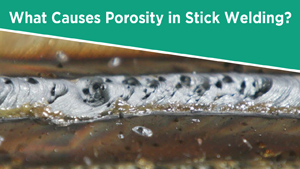
If your weld looks like bird poop, it’s probably spatter from high amps—drop ’em. Porosity? Dirty metal or wind; clean better and shield the arc.
Cracks mean too much heat or poor cooling; let beads rest. Undercut happens with wrong angle—keep the rod perpendicular. I’ve troubleshot a leaky joint by grinding back and rewelding slower.
For stainless exhaust, switch to 308L rods, but mild steel’s standard. Always inspect post-weld with light and air test.
Conclusion
There you have it—everything you need to know about how to weld exhaust pipe with stick welder. From picking the right 6013 rod and dialing in low amps to prepping clean joints and tacking short, you’re now set to tackle that rusty pipe with confidence.
This knowledge arms you for safer, stronger repairs, whether you’re a DIYer saving cash or a pro on the job. Always weld in bursts and cool between—it’s the secret to no burn-through on thin stuff. Now, fire up that machine and make it happen!
FAQ
Can you weld exhaust pipe with a stick welder without burning through?
Yes, by using low amps (40-60), short beads, and letting the metal cool between passes. Practice on scrap to master heat control.
What rod is best for welding thin exhaust pipe?
6013 in 1/16-inch size is ideal for its smooth arc and low penetration on mild steel exhaust.
What amperage should I use for stick welding exhaust?
Start at 45-55 amps on DCEN for thin pipe—adjust lower if you see burn-through.
Is stick welding better than MIG for exhaust repairs?
Stick is more portable and gas-free, but MIG is easier for beginners on thin metal. Choose based on your setup and skill.
How do I prepare rusty exhaust for welding?
Grind off rust and coatings, degrease, and ensure tight fit-up to avoid weak welds.