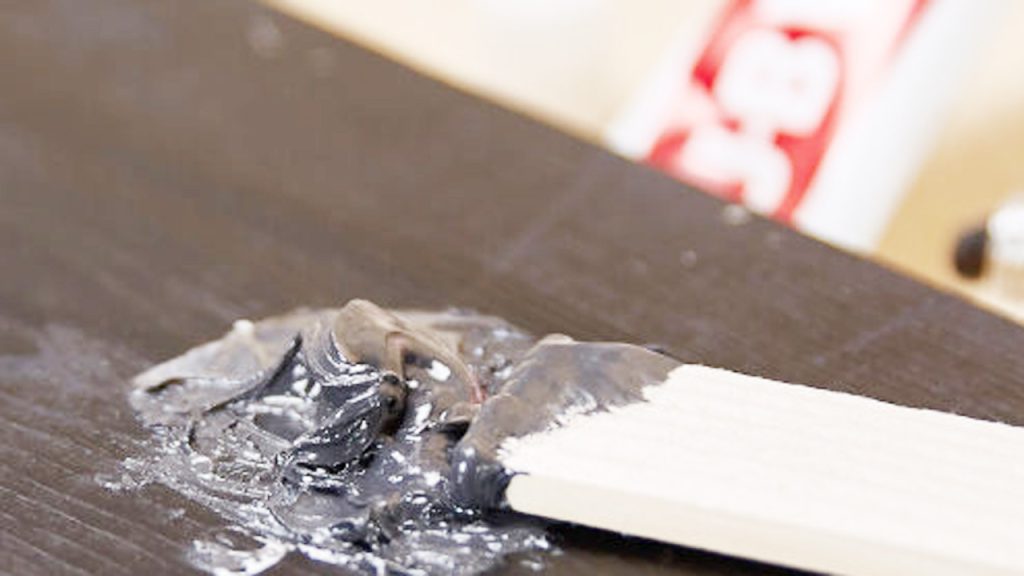
JB Weld is a popular epoxy adhesive known for its incredible strength and versatility. It can bond various materials, including metal, and is often used for repairs in automotive, plumbing, and household projects.

knowhow.napaonline
One of the most frequently asked questions regarding JB Weld is: how long does it take to dry on metal? Understanding the drying time is essential for ensuring a strong, durable bond and for planning your project accordingly.
We will explore the drying and curing times for JB Weld on metal, factors that can affect these times, and some tips for getting the best results from your repair.
JB Weld Drying Time
When using JB Weld on metal, it’s essential to distinguish between drying time and curing time. Drying time refers to the point at which the adhesive is dry to the touch and can hold the parts in place without slipping or moving. Curing time, refers to the period it takes for the epoxy to reach its maximum strength and hardness.
Drying Time
The drying time for JB Weld on metal is typically around 4 to 6 hours. During this period, the epoxy becomes hard enough to touch and the metal parts being bonded will stay in place.
The adhesive will still be soft and not yet fully cured, so it’s essential to avoid putting too much stress or weight on the bond during this stage.
Curing Time
The curing time for JB Weld is approximately 15 to 24 hours. After this period, the bond will reach its full strength and be capable of withstanding pressure, heat, and even moderate impact.
For projects where the bond will be subjected to high stress, such as in automotive repairs or metal structures, it is recommended to wait the full 24 hours to ensure that the epoxy is fully cured and capable of providing a strong bond.
Factors Affecting JB Weld Drying Time on Metal
Several factors can influence the drying and curing times of JB Weld when applied to metal. Understanding these factors can help you adjust your project timeline and ensure optimal results.
Temperature
Temperature is one of the most critical factors that affect the drying and curing time of JB Weld. Warmer temperatures can speed up the chemical reaction in the epoxy, reducing both the drying and curing times. Colder temperatures can slow down the reaction, increasing the time it takes for the epoxy to harden and cure.
For best results, JB Weld should be applied in temperatures between 50°F (10°C) and 100°F (38°C). If you’re working in colder conditions, you may need to wait longer for the adhesive to cure, or you can use a heat source, such as a space heater or heat lamp, to speed up the curing process.
Humidity
Humidity levels can also impact the drying time of JB Weld. High humidity can slow down the drying process, while lower humidity levels can speed it up.
Since JB Weld is a two-part epoxy, the presence of moisture can interfere with the chemical bonding process, leading to longer drying times or weaker bonds.
If you’re working in a high-humidity environment, it’s advisable to ensure proper ventilation to avoid moisture build-up during the curing process.
Thickness of the Application
The thickness of the JB Weld layer can significantly affect the drying time on metal. Thicker applications will take longer to dry and cure, as the chemical reaction needs more time to penetrate and harden throughout the material.
For best results, apply JB Weld in thin, even layers, especially if you’re working with metal surfaces. If additional thickness is required, wait for the first layer to partially cure before applying a second coat.
Surface Preparation
Proper surface preparation is essential for achieving a fast and effective bond with JB Weld. Metal surfaces must be clean, dry, and free of contaminants such as oil, grease, rust, or paint. Any residue or dirt can interfere with the bonding process, leading to longer drying times or a weaker bond.
Before applying JB Weld to metal, clean the surface thoroughly using a degreaser or a solvent like acetone, and use sandpaper or a wire brush to roughen up the surface slightly. This creates more surface area for the epoxy to adhere to, resulting in a stronger bond and potentially faster drying times.
How to Apply JB Weld on Metal for Optimal Drying Time
Now that we’ve explored the factors that affect drying time, let’s look at how to apply JB Weld on metal properly to ensure an efficient bonding process.
Step 1: Clean and Prepare the Metal Surface
The first step in ensuring an optimal bond is to clean the metal surface. Use a degreaser or acetone to remove any grease, oil, or dirt from the metal.
After cleaning, lightly sand or scuff the metal with sandpaper or a wire brush to create a rough texture that will allow the epoxy to grip the surface better.
Step 2: Mix the JB Weld
JB Weld comes in two separate tubes—one containing the resin and the other containing the hardener. Squeeze equal amounts of the resin and hardener onto a disposable surface and mix them thoroughly using a spatula or stir stick until the mixture has a consistent color.
Step 3: Apply the JB Weld to the Metal
Using a spatula or applicator, apply a thin, even layer of the mixed JB Weld to the metal surface. Ensure full coverage of the bonding area, and if you’re repairing a crack or gap, press the epoxy into the gap to fill it completely.
Step 4: Clamp or Hold the Parts in Place
After applying JB Weld, bring the metal parts together and clamp them in place to hold them securely during the drying period.
For smaller repairs, simply pressing the pieces together by hand for a few minutes may be sufficient. Ensure that the parts do not move while the epoxy dries, as this could weaken the bond.
Step 5: Allow Time to Dry and Cure
Allow the JB Weld to dry for at least 4 to 6 hours before handling the parts. If possible, wait the full curing time of 15 to 24 hours to ensure maximum bond strength.
JB Weld Drying and Curing Times on Metal
| Condition | Drying Time (4-6 hours) | Curing Time (15-24 hours) |
|---|---|---|
| Normal temperature (50°F-100°F) | Normal drying and curing times | Fully cured after 24 hours |
| Cold temperature (<50°F) | Slower drying time | Slower curing, may take up to 48 hours |
| High temperature (>100°F) | Faster drying time | Faster curing, may take less than 24 hours |
| High humidity | Slower drying time | Slower curing due to moisture interference |
| Low humidity | Normal or faster drying time | Normal curing time |
| Thin application | Faster drying time | Faster curing time |
| Thick application | Slower drying time | Slower curing time |
| Proper surface preparation | Optimal drying and curing times | Full bond strength within 24 hours |
| Poor surface preparation | Longer drying time | Weaker or slower bond formation |
Tips for Speeding Up JB Weld Drying Time on Metal
While it’s essential to follow the recommended drying and curing times for JB Weld, there are a few techniques you can use to speed up the process without compromising the bond strength:
Increase Temperature: Applying heat can accelerate the curing process. Use a heat lamp or space heater to gently warm the area, but avoid overheating, as it can weaken the bond.
Use Thinner Layers: Applying JB Weld in thin layers allows it to dry and cure faster. For large repairs, apply multiple thin layers instead of a single thick one.
Ensure Proper Ventilation: When working in humid environments, ensure adequate airflow to reduce moisture levels and speed up drying time.
Conclusion
The drying time for JB Weld on metal typically ranges from 4 to 6 hours, with a full curing time of 15 to 24 hours. Several factors—such as temperature, humidity, application thickness, and surface preparation—can influence these times.
By following best practices in surface preparation, applying the epoxy in thin, even layers, and ensuring optimal environmental conditions, you can achieve a strong and durable bond with JB Weld.
For projects requiring maximum strength, always allow the full curing time of 24 hours before subjecting the bond to stress or pressure.