
If you’re using JB Weld and it’s cold outside, you might wonder how long it’s going to take for the epoxy to dry. I’ve had my fair share of cold weather projects where I’ve had to rely on JB Weld to fix things, so I know just how important it is to understand how temperature can affect its drying time.
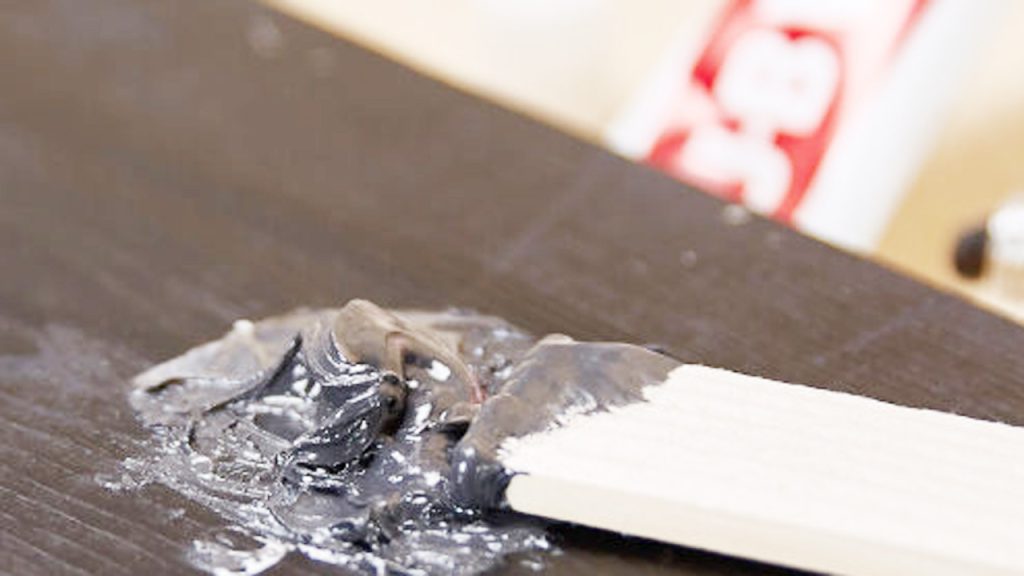
Image by speedalternators
Let’s dive into everything you need to know about using JB Weld in colder temperatures and how to make sure your project turns out just right.
What is JB Weld?
Before we get into the specifics of drying time, let’s quickly go over what JB Weld actually is. JB Weld is an epoxy adhesive that’s known for being incredibly strong and durable.
It’s often used for fixing metal, plastic, wood, and other materials. What makes it special is its ability to withstand extreme conditions—heat, cold, water, and chemicals—once it’s fully cured.
JB Weld comes in different types, but the two most common ones are:
- JB Weld Original: A two-part epoxy that can bond to almost anything. It’s strong and heat-resistant up to 550°F.
- JB KwikWeld: A faster-drying version of the original JB Weld, which sets in around 6 minutes and fully cures in 4-6 hours.
How Does Cold Weather Affect JB Weld?
Temperature plays a major role in how long JB Weld takes to dry. When it’s cold, the chemical reaction that happens between the resin and the hardener slows down, which means the curing process takes longer.
In ideal conditions (around 70°F or 21°C), JB Weld sets in 4-6 hours and fully cures in 15-24 hours. W it’s cold, you’ll need to adjust your expectations.
In cold weather (below 50°F or 10°C), JB Weld can take much longer to set and cure—sometimes up to 48 hours or more. The colder it gets, the slower the chemical reaction becomes, so keep that in mind if you’re working in freezing temperatures.
How Long Does JB Weld Take to Dry in Cold Temperatures?
The drying time of JB Weld in cold weather depends on several factors, including how cold it is, how thick the application is, and the type of JB Weld you’re using. Here’s a general breakdown of what you can expect in different temperatures:
| Temperature | Setting Time | Full Cure Time |
|---|---|---|
| 70°F (21°C) | 4-6 hours | 15-24 hours |
| 50°F (10°C) | 8-12 hours | 24-48 hours |
| 32°F (0°C) | 24 hours | 48-72 hours |
| Below 32°F (0°C) | 36-48 hours or longer | Up to 5 days |
As you can see, the colder it gets, the longer you’ll need to wait for JB Weld to fully cure. If you’re in a hurry, this can be frustrating, but patience is key when working in colder conditions.
Tips for Using JB Weld in Cold Weather
If you’re like me and can’t always control the weather, there are a few things you can do to help JB Weld dry faster in the cold.
Warm Up the Surfaces
One trick I’ve learned is to warm up the surfaces you’re bonding. If possible, bring your materials inside and let them warm up to room temperature before applying the JB Weld. If your project is too big to move, use a space heater or heat gun (carefully) to warm up the area before applying the epoxy.
Use a Heat Source
After applying JB Weld, you can use a heat source like a heat lamp or space heater to gently warm the area. This will help speed up the curing process. Just be careful not to overheat the epoxy—slow, steady warmth is best.
Apply a Thinner Layer
The thicker the layer of JB Weld you apply, the longer it will take to dry. If you’re working in cold conditions, try applying a thinner layer and then building up additional layers if needed. This allows each layer to dry faster.
Be Patient
I know it’s not the most exciting advice, but sometimes you just have to wait it out. JB Weld will eventually cure, even in the cold—it just takes time.
If you’re not in a rush, give it the time it needs to fully harden, and your bond will be just as strong as if you had done it in warmer weather.
Is JB KwikWeld a Better Option in Cold Weather?
JB KwikWeld is a faster-setting version of JB Weld, so you might wonder if it’s a better option for cold weather. While JB KwikWeld does set faster (around 6 minutes), it’s still affected by cold temperatures. In freezing conditions, it will take longer to set and cure, but it will still be faster than the original JB Weld.
Here’s a comparison of how JB Weld Original and JB KwikWeld perform in cold weather:
| Type | Setting Time in Cold | Full Cure Time in Cold |
|---|---|---|
| JB Weld Original | 24-48 hours | 48-72 hours or more |
| JB KwikWeld | 1-2 hours | 4-8 hours |
As you can see, JB KwikWeld will still dry faster in cold temperatures, so if you’re working in freezing conditions and need a quicker fix, it might be the better option.
How to Know If JB Weld Is Fully Cured?
It’s easy to tell when JB Weld is set, but it can be a little trickier to know when it’s fully cured, especially in cold weather. JB Weld will feel hard to the touch after it’s set, but full curing takes longer and gives the epoxy its maximum strength.
A few ways to check if it’s fully cured:
- Color change: JB Weld usually changes color slightly when it’s fully cured, becoming darker.
- Hardness: Once cured, JB Weld should be rock-hard. If it still feels soft or tacky, it needs more time.
- Test the bond: After the recommended curing time, gently test the bond by applying light pressure. If it holds, it’s ready to go. If it feels weak or flexible, give it more time.
Real-Life Example: Fixing a Metal Pipe in Winter
Let me tell you about a time when I had to use JB Weld in the middle of winter. I was fixing a small crack in a metal pipe in my garage, and the temperature was hovering around 35°F (just above freezing).
I would expect JB Weld to cure overnight, but in this case, it took closer to three days to fully harden.
I made sure to warm up the pipe with a space heater before applying the JB Weld, and I also used the heat lamp trick afterward to keep the temperature around the bond warm.
I had to be patient and wait a few days before the repair was completely solid. But once it cured, the bond was incredibly strong, and the pipe has held up perfectly ever since.
Conclusion
JB Weld can take much longer to dry in cold weather—sometimes up to 48 hours or more. The colder it gets, the slower the curing process, so patience is key if you’re working in low temperatures. To speed things up, you can warm the surfaces, use a heat source, and apply thinner layers of epoxy.
If you’re fixing a metal pipe, bonding plastic, or repairing wood, JB Weld will get the job done—even in cold weather. Just remember to plan for the longer drying time, and you’ll have a strong, durable bond that lasts.
If you need a faster fix, consider using JB KwikWeld, which cures quicker even in cold conditions, although it still won’t be as fast as in warmer temperatures.
No matter which type you use, make sure to follow the tips above to get the best results from your JB Weld project, even when it’s cold outside!


