
If you’re new to welding or just starting to get into it, the term “pass” might sound a bit confusing at first. I’ve been there, wondering what exactly this word means in the welding world. Well, let me break it down for you in a simple way. When we talk about “passes” in welding, we’re basically referring to the process of running a bead of weld along the joint.
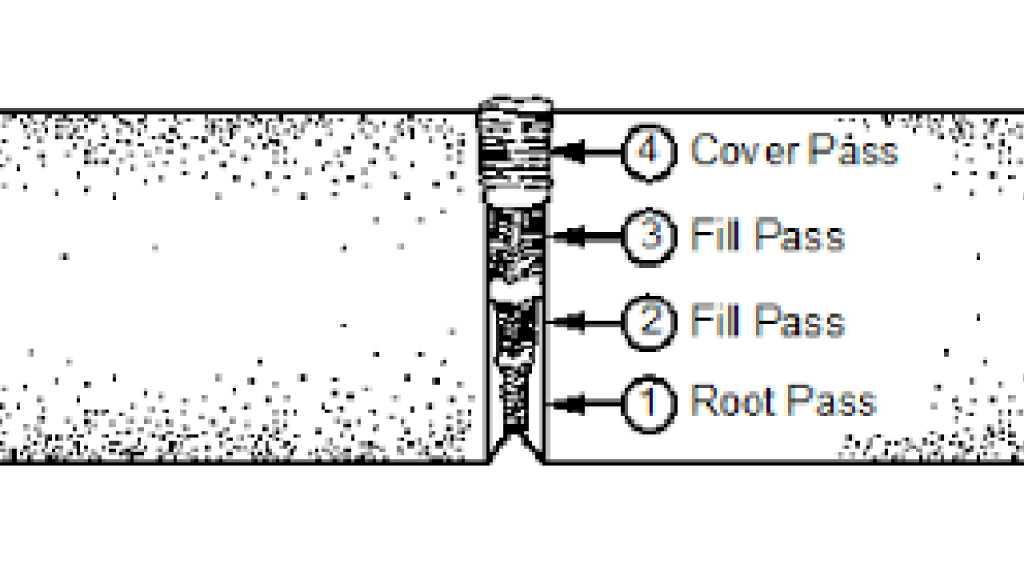
Image by yeswelder
It’s the action of applying the weld metal to the area being joined together, and it can take one or multiple passes depending on the thickness of the material and the type of joint.
Think of each pass as a layer of weld metal being deposited onto the workpiece. In some cases, you might only need a single pass to get the job done, while in other scenarios, several passes are required to ensure the strength and integrity of the welded joint. Let’s dive a bit deeper into what welding passes are all about, their types, and why they matter.
Why Are Multiple Passes Used in Welding?
You might be wondering why you would need more than one pass to weld a joint. Isn’t one good enough? Well, not always. The need for multiple passes usually comes up in situations where you’re dealing with thicker materials.
If you’re welding a thick piece of metal, a single pass may not be enough to penetrate all the way through, and you won’t get a strong weld. Multiple passes allow you to build up the weld and fill the joint properly.
Types of Passes in Welding
There are several different types of passes used in welding, each serving its own unique purpose. I’ll explain the most common types and give you a sense of when and why they’re used.
Root Pass
The root pass is the first pass that’s applied to the joint. It’s the foundation of the weld, and its primary goal is to ensure full penetration of the weld joint. The quality of the root pass is crucial because it sets the stage for the subsequent passes. If the root pass isn’t done properly, it can lead to weak spots or defects in the weld.
The root pass is especially important in situations where the welded joint is going to experience a lot of stress or strain. You want that initial weld to be as solid as possible to provide a strong foundation.
Filler Pass
After the root pass is laid down, you’ll often need to add filler passes. These passes fill the joint and help to build up the thickness of the weld. For thicker materials, you might need several filler passes to ensure the joint is completely filled. The purpose of the filler pass is to add bulk to the weld and to help ensure that the joint is strong and durable.
Cap Pass
The cap pass is the final pass that’s applied to the joint. It’s used to create a smooth, finished surface on the weld. The cap pass is not just about making the weld look nice, though. It also adds to the strength of the weld and ensures that the weld bead is properly shaped to reduce the chances of cracking or other issues.
Single Pass vs Multi-Pass Welding
Now, let’s talk about the difference between single pass and multi-pass welding. As the names suggest, single pass welding involves just one pass along the joint, while multi-pass welding requires several passes to complete the weld.
Single Pass Welding
Single pass welding is typically used for thinner materials where one pass is enough to join the metals together. This type of welding is faster and less labor-intensive because you only need to make one run along the joint. It’s often used in projects where speed is important and the materials being welded aren’t too thick.
Multi-Pass Welding
On the other hand, multi-pass welding is used when working with thicker materials. The main goal is to achieve deeper penetration and build up the weld to the desired thickness. With multi-pass welding, you have more control over the welding process and can ensure the quality and strength of the weld by carefully adding each layer.
This technique is especially important in industrial and structural applications where the welded joints need to support heavy loads or endure harsh conditions.
Benefits of Using Multiple Passes in Welding
So, why go through the trouble of making multiple passes when you could just try to do it all in one go? Here are some reasons why multiple passes are often used:
Better Penetration: When welding thicker materials, multiple passes allow for deeper penetration and a stronger joint.
Increased Strength: Each pass helps to build up the weld and adds to its strength. This is crucial for applications where the weld will be subjected to high stress.
Reduced Defects: Multi-pass welding allows you to detect and correct any defects or imperfections in the weld as you go, making it easier to produce a high-quality weld.
Improved Control: By applying multiple layers, you have more control over the shape and size of the weld, which can be beneficial for achieving the desired weld profile.
Challenges of Multi-Pass Welding
While multi-pass welding offers many benefits, it’s not without its challenges. Here are some of the common difficulties that come with using multiple passes:
Time-Consuming: Multi-pass welding takes more time compared to single pass welding, as you need to make several runs along the joint.
Increased Labor: More passes mean more work, which can lead to increased labor costs.
Heat Input Management: With each pass, more heat is applied to the material, which can cause warping or distortion if not managed properly.
Cleaning Between Passes: You may need to clean or grind the weld between passes to remove any slag or impurities that could weaken the weld.
Common Techniques for Multi-Pass Welding
There are some commonly used techniques when performing multi-pass welding to ensure the quality and consistency of the weld. Here are a few techniques that I’ve found to be useful:
Weaving Technique
The weaving technique involves moving the welding torch in a zigzag pattern to fill the joint. This technique can help to distribute the heat more evenly and reduce the chances of overheating or burning through the material.
Stringer Beads
Stringer beads are narrow and straight weld passes. Using stringer beads can help to control the heat input and reduce the risk of distortion, especially when welding thinner materials or working on vertical joints.
Oscillation
Oscillation is similar to weaving, but the torch movement is more controlled and usually follows a set pattern. This technique can be used to create a consistent weld profile and improve the appearance of the final weld.
Comparison of Single Pass vs Multi-Pass Welding
Here’s a quick comparison table to summarize the main differences between single pass and multi-pass welding:
| Aspect | Single Pass Welding | Multi-Pass Welding |
|---|---|---|
| Number of Passes | One | Multiple |
| Material Thickness | Suitable for thin materials | Suitable for thick materials |
| Welding Time | Faster | Slower |
| Strength of Weld | Lower strength | Higher strength |
| Heat Management | Easier to manage | More challenging |
| Cost | Lower cost due to less labor | Higher cost due to increased labor |
| Quality Control | Less control over defects | Better quality control with each pass |
Practical Tips for Multi-Pass Welding
If you’re going to be doing multi-pass welding, here are a few practical tips that I’ve found helpful:
Clean Between Passes: Make sure to clean the weld between each pass to remove any slag or impurities that could affect the quality of the next pass.
Monitor Heat Input: Too much heat can cause warping or distortion, especially with thinner materials. Try to distribute the heat evenly.
Start with a Strong Root Pass: A strong root pass is essential for a good weld. Make sure it has good penetration before adding filler passes.
Use the Right Technique: Different techniques, like weaving or using stringer beads, can make a big difference in the quality of the weld.
When to Choose Single Pass or Multi-Pass Welding
Deciding whether to go with single pass or multi-pass welding will largely depend on the thickness of the materials and the application. If you’re working on a thin metal, then single pass welding will usually suffice.
However, for structural work, industrial applications, or thick materials, multi-pass welding is the safer and stronger option.
Final Thoughts
Understanding the concept of passes in welding is essential for anyone looking to get into welding or improve their skills. Each pass plays a critical role in building up the weld and ensuring its strength and durability.
If you’re doing a single pass on a thin piece of metal or several passes on a thick industrial joint, knowing the right techniques and practices will help you produce high-quality welds every time.
Welding is both an art and a science, and the more you practice and learn, the better you’ll get at knowing when to use a single pass or multi-pass approach. So next time you pick up that welding torch, you’ll know exactly what to do to get a strong and reliable weld!


