
Hot air plastic welding is one of those techniques that surprises a lot of metalworkers the first time they see it. Instead of sparks and arcs, you’re using controlled heat and a steady hand to fuse plastic almost the same way you’d run a bead on metal.
The first time I tried it, I realized fast that plastics have their own personalities—too much heat and they bubble or scorch, too little and they refuse to flow or bond.
When you get it dialed in, though, hot air plastic welding can make repairs and fabrications unbelievably clean and strong. From car bumpers to tanks to kayaks, the joints come out smooth and durable when the heat, rod type, and technique all line up. And unlike glues or epoxies, a properly welded plastic seam is truly fused—it won’t peel, crack, or pop apart under stress.
If you’re curious how it works, what tools you need, and why it’s becoming a go-to method for plastic repair, let me walk you through the basics so you can pick it up without the usual trial-and-error headaches.
Why Hot Air Plastic Welding Actually Matters in the Real World
Most guys think plastic repair means epoxy, zip ties, or tossing the part in the trash. Wrong move. A proper hot air weld has nearly 100 % of the original material strength, stays flexible, won’t pop loose when the temperature swings from −20 °F to 120 °F, and laughs at diesel fuel, saltwater, or UV for years.
I’ve seen cheap glue repairs fail on $80,000 agricultural sprayer tanks in one season; the same tanks I welded eight years ago are still rolling through Illinois cornfields today. That’s real money and real safety.
How Hot Air Plastic Welding Actually Works (The Simple Version)
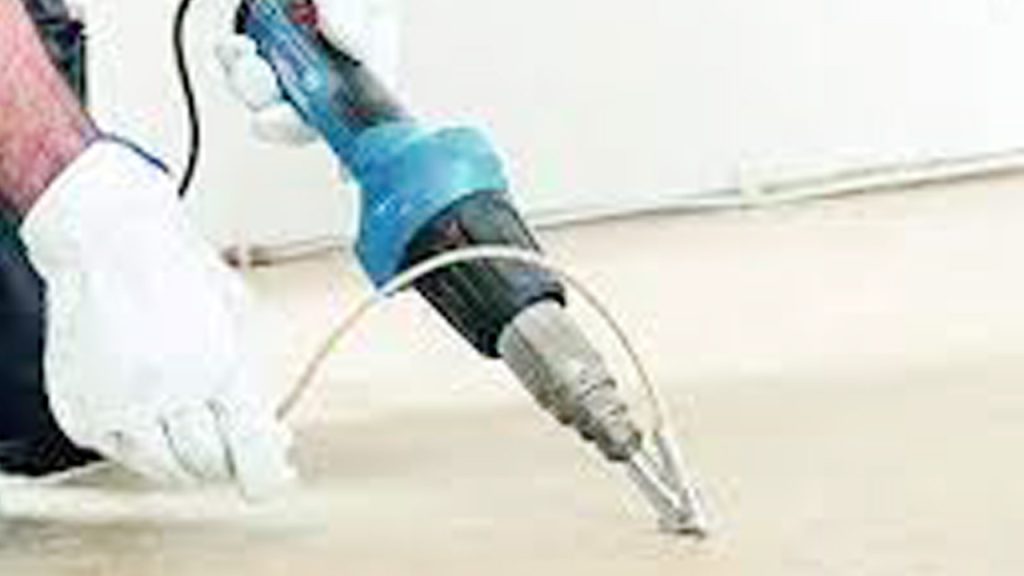
Picture a hair dryer on steroids hooked to a precision nozzle, pushing 400-700 °F clean air through a welding tip. You feed a matching plastic welding rod into that hot airstream, it melts, and you press the molten rod into a prepared V-groove or bevel on the base material.
The rod and the parent plastic fuse on a molecular level. No flames, no arc, no sparks — just controlled heat and a little hand pressure. That’s it.
The Gear You’ll Actually Use in American Shops
Forget the $4,000 European kits the YouTube guys flaunt. Here’s what works for most of us stateside:
- Leister Triac ST or AT (bulletproof, parts everywhere)
- Steinel HG 2620 E (my personal favorite for the price)
- Harbor Freight’s Chicago Electric 1500 W heat gun in a pinch (yes, really — just add a decent speed welding tip)
- A good assortment of Leister, Sears, or generic speed tips and tacking tips
- Plastic welding rod in 1/8″ triangular (most common) and 5/32″ round
- Stainless wire brush, 80-grit flap disc, and a sharp utility knife
I keep two Leister Triacs in the truck and one Steinel in the toolbox. When one goes down on a job site, I’m still welding in five minutes.
Identifying Which Plastics You Can Actually Hot Air Weld
Not every plastic welds. Here’s the cheat sheet I taped inside my rod cabinet:
- Polypropylene (PP) — most bumpers, totes, kayak hulls
- Polyethylene (HDPE/LDPE) — cutting boards, tanks, boat patches
- ABS — motorcycle fairings, some automotive interiors
- PVC — pipe, conveyor skirts, some truck bed liners
- Polycarbonate (PC) — only with special rods and lower heat; tricky
If it has a recycling symbol 2, 5, or 7 with the letters PP or HDPE underneath, you’re golden. Number 3 (PVC) welds great too. Everything else? Walk away or reach for adhesive.
Prepping the Part Right So Your Weld Doesn’t Snap the First Time It Sees Daylight
I see the same mistake on every job site: guys just shove rod into a crack. That repair lasts about as long as a politician’s promise.
- Cut a 60° V-groove the full length of the crack with a rotary burr or a $12 plastic V-tool from Amazon.
- Leave a tiny 1/32″ land at the bottom so you don’t blow through.
- Bevel both edges — single V for anything under 3/16″ thick, double V for thicker.
- Scrub the groove with a stainless brush until it looks frosty white.
- Wipe with acetone or plastic prep solvent if it’s greasy (HDPE hates oil).
Do the prep wrong and I guarantee the weld peels like a bad sticker.
Picking the Right Welding Rod Every Time
Match the base material exactly. I keep triangular PP in natural, black, and white, plus HDPE in the same colors. Color doesn’t affect strength, but customers love when the repair disappears. Test a scrap if you’re unsure — melt a tiny bit of rod and base together. If they blend into one shiny puddle, you’re good. If it stays separate like oil and water, wrong rod.
Temperature and Speed Settings I Actually Use on Real Jobs
Here’s my starting chart — adjust ±20 °F depending on shop temp and rod diameter:
| Material | Temp °F | Speed (inches per minute) | Tip I Use |
|---|---|---|---|
| Polypropylene | 550-590 | 8-12 | 5 mm speed tip |
| HDPE | 500-540 | 6-10 | 5 mm or tacking tip |
| ABS | 580-620 | 10-14 | 4 mm speed tip |
| PVC | 570-610 | 8-12 | 5 mm round nozzle |
Go too hot and you burn the plastic brown and brittle. Too cold and you’re just smearing rod on top — zero strength.
The Hand Technique That Took Me Years to Nail
Hold the gun at 90° to the surface, rod at 45°. Keep the molten rod tip barely touching the groove apex. Push, don’t pull. The rod should lay down shiny and flat with tiny “shoulders” on each side. If it looks stringy or porous, you’re either too fast or too cold. I still do one slow “tack pass” with the tacking tip first on long cracks — saves swearing when things shift.
Common Screw-Ups I See (And How to Fix Them Fast)
- Contamination — oil, dirt, or sunscreen on your gloves. Fix: re-groove and clean again.
- Warped parts — heat shrinks plastic. Fix: tack every inch, work in short sections, keep airflow moving.
- Brittle welds — overheated rod turns brown and snaps. Fix: grind it out and start over at lower temp.
- Blowing holes — too much air pressure or thin material. Fix: back off the gun 1/4″ and slow down.
When Hot Air Welding Beats Every Other Plastic Repair Method
I reach for hot air when the part has to:
- Hold pressure (chemical tanks, pressure washer tanks)
- Stay flexible (kayaks, snowmobile hoods)
- Survive outdoors 10+ years (playground equipment, marine docks)
- Look factory-original (motorcycle fairings, automotive trim)
If it’s just cosmetic and never sees stress, a $15 urethane adhesive is faster. Know the difference and you’ll look like the pro on site.
Extrusion Welding vs Hot Air — When I Switch
Anything thicker than 1/2″ or longer than about 4 ft, I break out the extrusion welder. It’s like a hot glue gun on steroids that lays down a fat bead. Hot air is still king for thin stuff, tight spots, and field repairs where I can’t drag a 240 V extruder.
Safety Stuff Nobody Should Have to Tell You Twice
- 600 °F air will melt your finger off faster than you can drop the gun. Long cuffs, leather gloves, no exceptions.
- Fumes from PVC or overheated ABS are nasty — respirator with organic cartridges or work outside.
- Fire risk is low, but plastic drips burn like napalm. Keep a water bottle handy.
Real-World Jobs That Paid the Rent with Hot Air Skills
- Repaired cracked HDPE chemical totes for a plating shop in Michigan — $850 each, did six in a weekend.
- Fixed polypropylene battery boxes on electric forklifts — saved the plant $14,000 vs new boxes.
- Patched a 16 ft kayak hull split on rocks — customer still paddling the Boundary Waters three years later.
Pro Tip Most Guys Never Learn
Before you start the final weld, do a 6-inch test bead on scrap from the same part using the exact same settings. Break it with pliers. If it snaps clean, lower the heat 20 °F. If it stretches like taffy before breaking, you’re dialed in perfect.
Conclusion
Hot air plastic welding isn’t some mysterious black art — it’s just heat, speed, pressure, and matching materials. Master those four things and you’ll fix stuff people told you was “unrepairable,” save customers thousands, and honestly make more money than half the metal welders I know.
Next time you see a cracked bumper or a split tank, don’t reach for the trash can. Grab the heat gun, cut a nice V, and lay down a bead you can be proud of.
Always keep a sharp 1/8″ welding rod in your pocket on every job site. When the foreman asks if something can be saved, pull it out, tack it in ten seconds, and watch his eyes light up. That’s how you go from “the new guy” to “the guy we call when it’s broken” overnight.
FAQ
Can you hot air weld any type of plastic?
No. Only thermoplastics like PP, HDPE, ABS, PVC, and a few others weld reliably. Thermosets (like fiberglass or epoxy) and most soft plastics (LDPE film, vinyl) won’t work.
Is hot air welding stronger than plastic glue or epoxy?
Yes, almost always. A proper weld is molecularly fused and reaches 85-100 % of original strength. Most adhesives top out around 50-70 % and fail in UV or chemicals.
How long does a hot air plastic weld last outdoors?
I’ve got repairs on agricultural tanks and marine docks still perfect after 12-15 years. Match the rod, prep correctly, and it outlasts the part itself.
Do I need an expensive Leister gun to get started?
Nope. A $400 Steinel or even the modded Harbor Freight gun with a $40 speed tip will get you professional results while you save up for the big boy tools.
What’s the biggest beginner mistake in hot air welding?
Not cutting a proper V-groove and just smearing rod over the crack. Looks okay for a week, then splits wide open the first time it flexes. Always groove, always clean, always match the rod.


