
If you’ve ever tried to repair or fabricate something made of polyethylene plastic, you probably realized pretty quickly—it’s not as simple as fixing metal or wood. That’s because polyethylene, with its waxy surface and unique molecular structure, behaves a bit differently.
The good news is you can weld polyethylene, and once you understand the process, it’s not as hard as it seems. I’ve done it many times, and with the right technique, you can achieve strong, lasting bonds that look clean and professional.
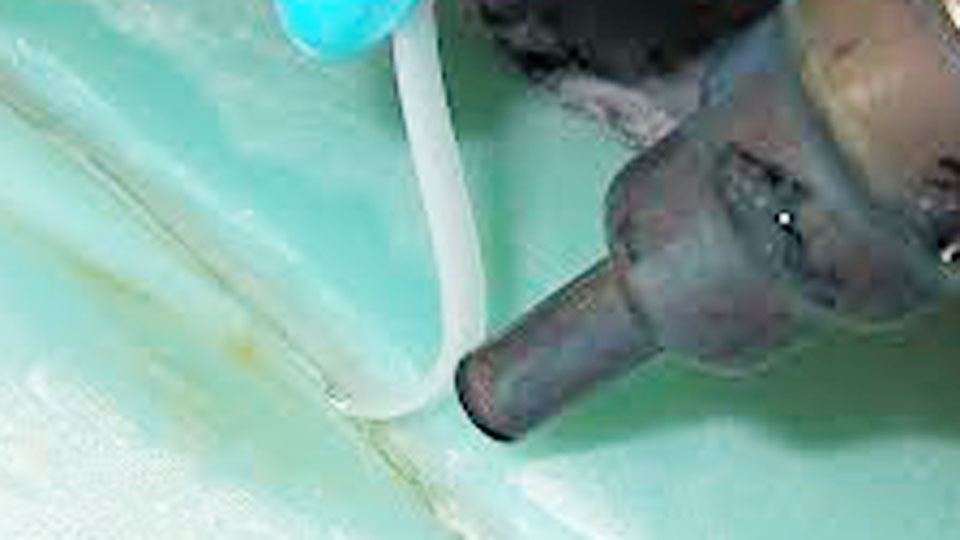
Image by polyvance
If you’re trying to fix a broken kayak, water tank, plastic pipe, or even something like a storage bin, plastic welding is a practical solution. Let’s walk through everything you need to know about how to plastic weld polyethylene, step by step.
I’ll share what I’ve learned through personal experience, along with helpful tips to avoid the common pitfalls many beginners face.
Polyethylene and Why It’s Tricky to Weld
Before we jump into the how-to, it helps to understand what polyethylene actually is. Polyethylene is a type of thermoplastic.
That means it softens when heated and hardens again as it cools. You’ll find it in products like milk jugs, fuel tanks, containers, and plastic sheeting.
There are two major types: HDPE (High-Density Polyethylene) and LDPE (Low-Density Polyethylene). Both can be welded, but HDPE is a bit more rigid and durable, which makes it more commonly used in structural applications.
Here’s the tricky part: polyethylene has a low surface energy. That means it resists bonding. So you can’t just glue it or use a quick fix. When you apply the right heat and pressure, you can create a molecular-level bond that’s surprisingly strong.
What You’ll Need to Plastic Weld Polyethylene
Let’s get our tools ready. Here’s what I use when I do plastic welding on polyethylene:
| Tool/Material | Purpose |
|---|---|
| Plastic welding gun or heat gun with nozzle | To heat the base material and welding rod evenly |
| Polyethylene welding rods (same type as the base material) | The filler material that melts and bonds with the plastic |
| Wire brush or scraper | To clean the surface before welding |
| Sandpaper or grinder | To roughen the surface slightly for better bonding |
| Clamps (optional) | To hold pieces together during welding |
| Protective gloves and safety goggles | For your safety—it gets hot! |
| Roller or flat metal tool | To smooth and press the weld |
Having the right equipment really does make a difference. Don’t skip on safety gear either. Even though it’s plastic, the heat involved can cause burns and fumes if you’re not cautious.
Preparing the Surface
This is one step you do not want to skip. In fact, surface prep is half the battle when welding polyethylene.
Start by cleaning the area with a wire brush or scraper. You want to remove any dirt, grease, paint, or debris. A little rubbing alcohol can help here. Polyethylene is non-stick by nature, so even a small amount of contamination can prevent a good weld.
Once it’s clean, roughen the edges with sandpaper or a angle grinder. Just lightly scuff it—you’re not trying to reshape the piece. This creates tiny grooves that help the melted plastic grip and flow better.
Finally, make sure everything is dry. Moisture can create bubbles or weak spots when you apply heat.
Matching the Welding Rod to the Base Material
Always match your welding rod to the type of polyethylene you’re working on. If you’re welding HDPE, use HDPE rod. Same goes for LDPE. Don’t mix them. The melting temperatures and bonding properties are different.
You can usually find rods online or at a plastic supply store. They come in spools or sticks, and some are even color-matched to your project.
Setting the Right Temperature
This is the part where patience pays off. Polyethylene melts at a relatively low temperature compared to metal—HDPE melts around 265°F to 275°F (130°C to 135°C). You want to heat both the rod and the base material to this point without scorching it.
Using a plastic welding gun with a proper nozzle helps direct the heat where you need it. If you’re using a heat gun, hold it a few inches away and keep it moving. Watch for a glossy, softened look on the surface—that’s your cue it’s ready.
Overheating causes the plastic to burn or bubble. Underheating means it won’t bond. It takes a bit of practice, but once you learn the look of properly melted polyethylene, it becomes second nature.
Making the Weld
Here comes the fun part. Once both the base and the rod are heated evenly, you’ll begin the weld. Here’s how I like to do it:
- Hold the welding rod at an angle where it meets the base material.
- Move the welding gun slowly along the seam while applying gentle pressure to press the rod into place.
- Let the rod melt and blend with the base—not just sit on top.
- Use a roller or flat tool to press and smooth the weld as it cools.
If you’re working on a thicker piece or a large crack, you might need to make multiple passes. In those cases, let each layer cool slightly before adding the next.
For butt joints (two flat pieces), a v-groove can be cut into the seam to allow deeper weld penetration. For corner joints, overlap welding works best.
Cooling and Finishing
After welding, let the area cool naturally. Don’t rush it with water or forced air. Rapid cooling can cause stress and cracking. Once it’s cool, inspect the weld for gaps, bubbles, or weak spots. If needed, you can grind or sand the weld to smooth it out or blend it with the surrounding surface. Just don’t sand too deep or you’ll weaken the bond.
Common Mistakes to Avoid
Here are a few lessons I learned the hard way, so you don’t have to:
- Don’t rush the heating process: Take your time to melt both surfaces evenly.
- Avoid contamination: Even a fingerprint can ruin a good weld.
- Don’t use the wrong rod: Always use the same type of polyethylene.
- Don’t overheat the plastic: Burnt plastic becomes brittle and won’t bond well.
- Don’t skip prep work: Cleaning and roughening is key.
Tips for Stronger and Cleaner Welds
Want your welds to look and perform better? Here are a few of my favorite tips:
- Use a speed nozzle on your welding gun. It heats the rod and the base simultaneously.
- Pre-bend the welding rod slightly to help it follow the seam.
- Practice on scrap pieces first to dial in your technique.
- For long seams, clamp or tack weld the parts first to hold them in place.
- Let the piece cure overnight before applying stress or weight.
When to Choose Plastic Welding Over Other Repair Methods
There are times when welding is the best option. If you’re dealing with structural cracks, water-tight repairs, or high-stress joints, welding offers a permanent fix. Glues and tapes just don’t hold up over time on polyethylene.
Plastic welding is especially useful in industries like:
- Agriculture (irrigation tanks, piping)
- Automotive (fuel tanks, panels)
- Marine (kayaks, canoes)
- Construction (containers, barriers)
- Household repairs (bins, outdoor furniture)
Is Plastic Welding Polyethylene Worth It?
In my experience, absolutely. Learning how to plastic weld polyethylene has saved me money, time, and frustration. It’s a skill that keeps paying off, especially if you work with plastic materials often.
Once you get the hang of it, you’ll find yourself fixing and fabricating things you might’ve thrown away before. It’s surprisingly satisfying too—seeing a cracked or broken piece restored and working again, all by your own hands.
Conclusion
Plastic welding polyethylene may sound like a technical process, but once you understand the steps, it becomes much more approachable. It’s all about preparation, patience, and practice. If you take your time, match the right materials, and apply consistent heat and pressure, you can create repairs and bonds that last.
I’ve used this method countless times for everything from broken water tanks to custom fabrications, and I still find it incredibly rewarding. If you’re a DIY enthusiast or a professional looking to expand your skills, learning to weld polyethylene is definitely worth adding to your toolbox.
Frequently Asked Questions
Can I weld polyethylene with a regular heat gun?
Yes, but it needs to reach the right temperature—around 265°F. A plastic welding gun with a special nozzle gives better control, but a high-quality heat gun can work if you’re careful.
Do I need to use a welding rod?
Absolutely. The welding rod is made of the same type of plastic and melts to fill the seam. Without it, the weld won’t hold properly.
Is polyethylene the same as polypropylene?
No. They’re both thermoplastics but have different melting points and characteristics. You should never mix rods between them.
Can you glue polyethylene instead of welding?
Most glues won’t stick to polyethylene. It’s much better to weld it for a strong, lasting repair.
Is plastic welding safe to do at home?
Yes, as long as you use proper safety gear and work in a ventilated area. Avoid breathing in fumes, and always wear gloves and goggles.
Can you weld HDPE and LDPE together?
It’s not recommended. Even though both are polyethylene, they have different densities and melt at slightly different temperatures, which can lead to weak bonds.
How strong is a polyethylene plastic weld?
If done correctly, it can be nearly as strong as the original material. In many cases, the welded area holds up just as well under pressure or stress.


