
You’re halfway through a fabrication job, everything is cut and tacked, and then it hits you—did you pick the right material for this? I’ve seen projects go sideways not because of bad welds, but because the wrong metal was used from the start.
That’s exactly why understanding when to use carbon steel vs stainless steel is so important, especially when strength, corrosion resistance, and cost are all on the line.
In real shop work, carbon steel is often the go-to for its affordability and ease of welding, while stainless steel steps in when rust resistance and a clean finish really matter. But the decision isn’t always that simple—factors like environment, load, appearance, and long-term durability all play a role.
Getting this choice right can save you from rework, premature failure, and wasted material. In this guide, I’ll break down the practical differences, real-world use cases, and how to confidently choose between carbon steel and stainless steel for your next project.
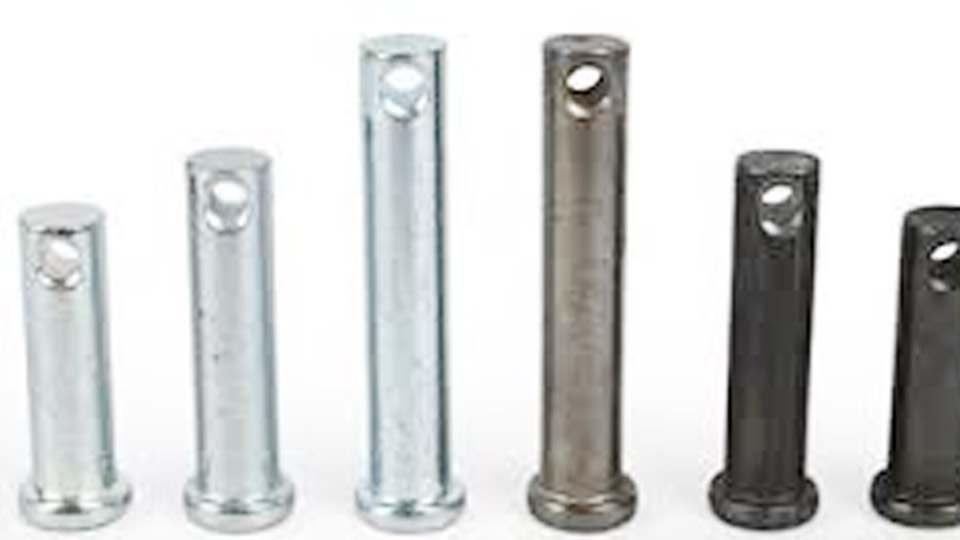
Image by huyett
Carbon Steel vs Stainless Steel: The Fundamentals That Matter in the Booth
Carbon steel (what most of us just call mild steel) is basically iron with a small amount of carbon—usually 0.05% to 0.30% for the stuff we weld every day. It’s strong, forgiving, and cheap.
Stainless steel, on the other hand, gets its magic from at least 10.5% chromium, plus nickel in the common 304 and 316 grades. That chromium forms an invisible oxide layer that fights rust like nothing else.
In the arc, carbon steel conducts heat fast and loves to fuse. Stainless fights you a little—lower thermal conductivity means the heat stays right where you put it, so you get more distortion if you’re not careful. It also wants to form carbides at the wrong temperatures, which can make the weld zone brittle or rust-prone later.
I’ve welded both on the same Miller 252 MIG machine and on old Lincoln 225 stick welders. The difference shows up the second you strike an arc. Carbon steel gives you that buttery, smooth puddle. Stainless demands slower travel speeds and tighter control.
When Carbon Steel Is the Clear Winner on the Job
Reach for carbon steel anytime the part won’t see constant moisture, chemicals, or food contact and you need strength without breaking the bank. Structural frames, trailer hitches, farm equipment repairs, heavy equipment buckets, pipe racks in warehouses—carbon steel handles 90% of the everyday fab work in most American shops.
It’s also the right call when you’re doing high-volume production. A ¼-inch A36 plate costs a fraction of 304 stainless, and your filler wire or rod runs cheaper too. Penetration is easier, so you can run hotter and faster.
On a 1/8-inch fillet weld I can lay down 12–14 inches per minute with 0.035-inch ER70S-6 wire on my MIG at 180–200 amps. Try that speed on stainless and you’ll burn through or warp the piece.
I remember a rush job last summer on a customer’s hay baler. The original mild steel tine broke clean off. Stainless would have been overkill and tripled the material cost.
I preheated the base metal to 150 °F, ran 7018 rods at 110 amps on 3/32-inch electrode, and had the customer back in the field the same afternoon. That’s when carbon steel shines—practical, fast, and strong enough.
When Stainless Steel Is the Only Smart Choice
Stainless becomes the obvious pick the moment corrosion resistance or sanitation matters. Kitchen equipment, brewery tanks, marine railings, exhaust systems on boats or food trucks, pharmaceutical piping, architectural handrails—anywhere moisture, salt, acids, or cleaning chemicals live.
304 is the workhorse for most indoor and light outdoor use. 316L steps up when chlorides or salt spray are involved (coastal jobs, swimming pool fixtures, or anything near the ocean). The “L” grade keeps carbon low so you don’t get sensitization and intergranular corrosion after welding.
I once rebuilt the frame on a mobile coffee cart that lived outside in Seattle rain. The owner tried carbon steel the first time and watched it rust through in six months. We switched to 316L tubing and 308L filler. Two years later the cart still looks brand new. That’s the real-world payoff.
Welding Carbon Steel: Processes, Rods, and Settings That Deliver Every Time
For carbon steel I default to three processes depending on the shop and the job.
SMAW (Stick)
Still king for outdoor repair and thick plate. 7018 low-hydrogen rods are my go-to for structural work—smooth arc, low spatter, and X-ray quality if you need it. On 1/8-inch material I run 90–120 amps with a 3/32-inch rod.
For ¼-inch I bump to 140–160 amps with 1/8-inch rod. Keep your arc length short (one rod diameter) and drag the electrode at 10–15°.
MIG (GMAW)
Fastest for production. ER70S-6 wire, 75/25 argon/CO₂ mix, 18–22 volts, 180–220 amps for 1/8–¼-inch. Short-circuit transfer on thin stuff, spray transfer once you’re over 200 amps. Push the gun 10–15° and keep that stick-out at ⅜ inch.
TIG (GTAW)
When I need perfect appearance on thin sheet or pipe. ER70S-2 filler, pure argon, 80–120 amps for 1/16–⅛-inch. Add a little preheat on thicker sections to control cracking.
Joint prep is simple but non-negotiable: grind or wire-wheel to bright metal, 60–70° V-groove on anything thicker than ¼ inch, and tack every 4–6 inches with the same filler.
Welding Stainless Steel: What Actually Changes in Your Machine Settings
Stainless demands a different mindset. Heat input is the enemy—too much and you get distortion and carbide precipitation.
TIG is usually my first choice for stainless because it gives the cleanest puddle and least heat. For 304 or 316L I use 308L or 316L filler rod, pure argon or argon/helium mix for thicker sections. Amperage drops compared to carbon: 60–80 amps on 1/16-inch, 90–110 on ⅛-inch.
Travel speed must stay fast—keep the puddle small and move. Back-purge with argon on pipe or tanks or you’ll get sugaring on the root that ruins corrosion resistance.
MIG works great too, but switch to 98/2 argon/CO₂ or tri-mix (90% He/7.5% Ar/2.5% CO₂) to reduce spatter and improve wetting. ER308L or ER316L wire, 16–20 volts, 140–180 amps for 1/8-inch. Short-circuit mode on thin material, pulsed spray if your machine has it. Keep heat input under 15 kJ/inch.
Stick is possible but messier. 308-16 or 316-16 rods, DC+, 70–90 amps on 3/32-inch. The slag is different and you have to clean it thoroughly or it traps contaminants.
One trick I learned the hard way: stainless expands and contracts more than carbon steel. Clamp everything tight, use copper chill bars along the weld line, and alternate sides on long seams. On a 10-foot 304 sheet I once skipped the chill bars and watched it bow almost an inch in the middle. Never again.
Joint Preparation and Material Handling That Prevents 90% of Failures
Carbon steel prep is forgiving: remove mill scale, rust, and oil with a grinder or flap disc. No big deal if a little rust sneaks in.
Stainless is ruthless. Any carbon contamination—grinding wheels used on mild steel, shop rags with oil, even fingerprints—will cause rust streaks later.
I keep separate tools: dedicated stainless wire brushes, flap discs labeled “SS ONLY,” and acetone for final wipe-down. Bevel angles stay the same (60–70°), but I use a wider root face on stainless to reduce burn-through risk.
For dissimilar welds (carbon to stainless), I always butter the carbon side with 309L filler first, then weld with 309L or 308L. Skipped this step once on a handrail repair and watched the weld crack in the heat-affected zone within a month. Never skip the butter layer.
Common Mistakes I See Week After Week (And How to Avoid Them)
Beginners love to crank the amperage on stainless thinking it will “flow better.” It doesn’t—it just warps the part and sensitizes the HAZ. Pros sometimes get lazy on cleaning and pay for it with rust complaints six weeks later.
Another classic: using 7018 rods on stainless “because they’re what’s in the rod oven.” The weld looks fine until the customer pressure-tests it and the joint leaks or rusts. Match your filler to the base metal—always.
On carbon steel the mistake is the opposite—running too cold and getting lack of fusion. I still see guys on ¼-inch plate trying to weld at 90 amps because “that’s what the chart says for thinner stuff.” Crank it up and watch the puddle wash the sides properly.
Side-by-Side Comparison: Carbon Steel vs Stainless Steel at a Glance
| Factor | Carbon Steel (A36, 1018) | Stainless Steel (304/316L) |
|---|---|---|
| Cost per pound | $0.40–$0.70 | $2.50–$4.50 |
| Corrosion resistance | Poor—needs paint or galvanizing | Excellent out of the box |
| Ease of welding | Very forgiving | Requires tighter heat control |
| Typical amperage (1/8″) | 140–180 MIG / 110–140 Stick | 140–170 MIG / 90–110 Stick / 80–100 TIG |
| Distortion risk | Low | High if heat input not controlled |
| Best processes | All three—stick shines outdoors | TIG and MIG preferred |
| Filler recommendation | ER70S-6 / 7018 | ER308L or ER316L |
| Typical applications | Structural, repair, farm, trailers | Food, marine, architectural, chemical |
Safety Considerations That Protect You and the Weld
Both materials produce fumes, but stainless is nastier. Hexavalent chromium in the smoke from stainless can cause serious lung issues. I run a good fume extractor or helmet with PAPR on every stainless job. Carbon steel fumes are mostly iron oxide—still not great, but less toxic.
Always use proper PPE: shade 10–12 lens for MIG/stick, 12–14 for TIG on stainless because the arc is brighter. Leather gloves, flame-resistant jacket, and steel-toe boots. On stainless, keep your skin covered because the reflective arc can burn you faster.
Putting It All Together: How to Choose in Under 60 Seconds
Look at the service environment first. Moisture, chemicals, or food contact? Stainless. Structural strength on a budget with paint or powder coat planned? Carbon steel.
Next, check the thickness and joint type. Thin sheet under 1/16 inch favors stainless with TIG for appearance. Heavy plate over ½ inch favors carbon steel with stick or MIG for speed and penetration.
Finally, run the numbers on cost and time. I’ve saved customers thousands by switching a non-critical bracket from stainless to carbon and painting it. I’ve also saved them from warranty claims by insisting on stainless for a saltwater pump housing.
The right material isn’t the one that looks fancy—it’s the one that stays together under real use.
Final Thoughts
After two decades of burning rod and wire, I can tell you this: the welders who last in this trade aren’t the ones who can run the fanciest machine. They’re the ones who know exactly when to use carbon steel vs stainless steel and why. They prep the joint right, dial the machine once, and walk away knowing the part will outlive the invoice.
Next time you’re standing in front of two different piles of steel, pause for thirty seconds and run through the checklist above. You’ll make the right call, the weld will hold, and you’ll look like the pro you are.
One last pro-level tip I give every apprentice who walks through my shop door
Never weld stainless with a wire or rod that’s been used on carbon steel—even if you think you cleaned it. The microscopic iron particles will embed and cause rust circles that no amount of passivation can hide. Keep your stainless consumables in a separate cabinet. It’s the cheapest insurance policy you’ll ever buy.
FAQ: Real Questions I Get Every Week in the Shop
Can I weld stainless steel to carbon steel without special filler?
No. Use 309L or 309LSi as your filler. It handles the dilution and prevents cracking. I butter the carbon side first, then tie in the stainless. Anything else and you’re rolling the dice on service life.
What amperage should I run for 1/8-inch carbon steel with 7018 rods?
90–120 amps with 3/32-inch rod, 120–150 amps with 1/8-inch rod. Watch the puddle—if it’s not washing the toes nicely, bump it 10 amps. Too hot and you’ll undercut.
How do I stop stainless welds from rusting after I’m done?
Clean the weld and heat-affected zone with a dedicated stainless wire brush or pickling paste. Remove all heat tint. On food-grade or marine work I always passivate with nitric acid solution afterward. Skip this step and you’ll see rust in weeks.
Is MIG or TIG better for stainless on thin material?
TIG every time if appearance and low distortion matter. MIG with pulsed spray or short-circuit is faster for production but you’ll spend more time cleaning spatter. For 20-gauge sheet I stay with TIG at 45–60 amps.
Do I need to preheat carbon steel before welding?
Only on thick sections (over ¾ inch) or when it’s cold in the shop (below 50 °F). 150–250 °F is plenty. Stainless almost never needs preheat—control heat input with technique instead.


