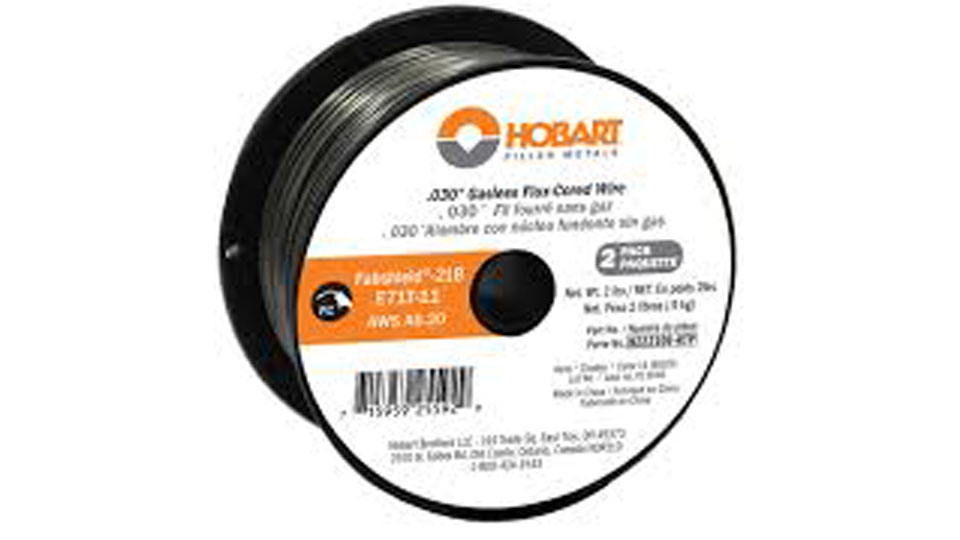
Welding galvanized pipe can be tricky because of the zinc coating. Choosing the best welding rod for galvanized pipe is important to get strong, clean welds without contamination. The right rod helps reduce spatter and prevents harmful fumes from affecting your work.
It also ensures good penetration and a smooth finish. Whether you’re working on plumbing, fencing, or a DIY project, having the right welding rod makes the job easier and safer. Understanding what works best for galvanized surfaces can save time and improve the quality of your welds.
Green Thin-gauge Welding Rod
The Best Welding Rod for Galvanized Pipe for DIYers and professionals working with thin galvanized steel sheets and pipes.

This welding rod is designed for precision work on galvanized and mild steel, especially thin sheets and pipes. It solves the common issue of spatter and slag buildup by using a green flux coating, which ensures cleaner welds and easier post-weld cleanup.
Using these rods feels straightforward and controlled, thanks to their slim 1.6 mm core that suits thin materials well. I found welding galvanized pipes with this rod to be more precise and less messy, making the process smoother and more confident.
Everyday Use Insights
- Easy control on thin galvanized steel, ideal for pipes and ducts.
- Green coating reduces spatter and speeds up cleanup.
- Moisture-resistant tube keeps rods ready for use over time.
- Available in multiple pack sizes to match project scale.
- Consistent weld quality on delicate, thin materials.
Points to Consider
- Not suited for thick steel plates beyond 3 mm.
- Limited to arc welding setups compatible with carbon steel electrodes.
- Requires some experience to maximize precision benefits.
Choosing This Rod for Your Galvanized Projects
This product fits well for users who frequently weld thin galvanized pipes or sheets and need a clean, controlled weld. It is especially useful for home users and professionals who value less spatter and easier cleanup.
Those working on thicker steel or unfamiliar with arc welding might find this rod less suitable. If you expect heavy-duty welding beyond thin-gauge materials, you may want a different rod designed for thicker metals.
- Ideal for thin galvanized steel up to 3 mm thickness
- Great for precision jobs on pipes, ducts, and roofing panels
- Less effective on heavier gauge steel or non-galvanized metals
- Best used in dry conditions thanks to included storage tube
Practical Thoughts on This Welding Rod
If you work with galvanized pipes and thin steel regularly, this rod offers a neat balance of precision and clean finishes without fuss. It’s a sensible choice for projects where spatter and slag removal are concerns.
However, it isn’t designed for heavy industrial use or thick metals, so don’t expect it to handle those tasks. For best results, keep the rods dry and store them in the provided tube to maintain performance.
Tandefio Low Temp Universal Welding Rods
The Best Welding Rod for Galvanized Pipe for both beginners and pros who need versatile, low temperature welding solutions.

Performance Highlights for Galvanized Pipe Welding
| Melting Point | Low temperature for easier handling |
| Material Compatibility | Works on stainless steel, iron, aluminum, and galvanized pipes |
| Rod Size | 3.07 inches, easy to manage for precision |
| Suitability | Beginners and pros in diverse welding projects |
The Tandefio Low Temp Universal Welding Rods are designed to handle a variety of metals including galvanized pipes, making them a practical choice for many welding tasks. Their low melting point allows welding without complex equipment, which helps reduce heat damage and makes the process more manageable.
Using these rods feels straightforward and controlled. The size is comfortable to hold, and the flux ensures smooth welds. I found that even with some brittleness, the rods perform reliably, making them a solid pick for both quick fixes and more detailed metalwork.
Choosing This Rod for Your Welding Projects
This product suits welders who need a flexible rod that works well on galvanized pipes and other metals without high heat requirements. Its low temperature capability and manageable size make it ideal for beginners and experienced users alike.
However, those who require extremely durable rods for heavy-duty industrial welding might find the material less robust due to its brittleness. Also, users sensitive to odors should consider wearing a mask during use.
- Good for precision and varied metals
- Easy to light with a common lighter
- Compact and easy to handle rods
- May break if handled roughly
- Odor present during welding
A Practical Take on Tandefio Welding Rods
This set is practical for anyone tackling galvanized pipe repairs or similar metal projects at home or in a small workshop. It offers a balance of ease and versatility without complicated prep or tools. The low melting point is a distinct advantage for controlled welds.
Still, it’s important to handle the rods gently due to their brittle nature. If you’re comfortable with that, these rods provide a dependable, no-frills option for various metals. Using a mask can help with the flux odor, which is a minor inconvenience.
Thoughtful Choice for Everyday Welding Needs
If you need an adaptable welding rod for galvanized pipes and other metals, this set is a reasonable option. It works well for those who want to avoid high heat setups while maintaining good control. It’s less suited for heavy industrial work but fine for repair and hobby use.
Remember to store the rods carefully to avoid breakage, and consider ventilation or a mask for comfort. With those small considerations, this product can be a reliable part of your welding toolkit.
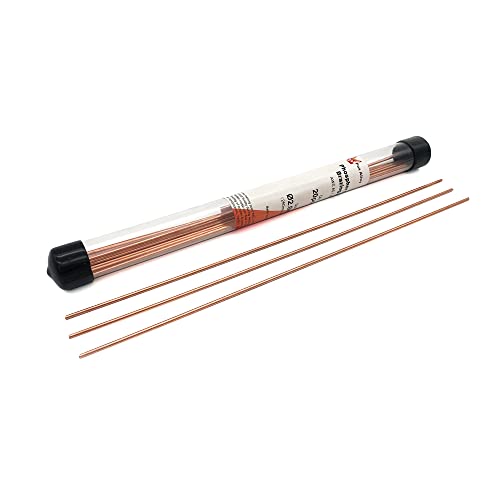
Fox Alloy Copper Brazing Rods 20pcs
For welders seeking the Best Welding Rod for Galvanized Pipe, this product suits those working on copper and copper alloy brazing tasks with precision.
Performance and Practical Use Highlights
- Self-fluxing design simplifies brazing without extra flux application.
- Flows easily into tight spaces thanks to low melting point and good fluidity.
- Compatible mainly with copper and copper alloys, ideal for HVAC repairs.
- Conforms to AWS A5.8 standard ensuring consistent quality.
- Phosphorus content helps reduce oxidation during welding.
- Not specifically designed for galvanized steel, so extra care or alternative rods may be needed for galvanized pipe.
- Limited to smaller diameter rods (2mm), may not suit heavy-duty industrial projects.
- Primarily for TIG and arc brazing, less effective for other welding methods.
This set includes 20 copper brazing rods crafted to address common brazing challenges such as filling small gaps and ensuring smooth metal flow. Its low melting point and self-fluxing feature help reduce preparation time and improve joint quality, especially in copper-related applications.
Using these rods feels straightforward and reliable. The rods melt evenly and flow well, making it easier to control the brazing process. I found that the rods help maintain a clean joint with less oxidation, which can save time in cleanup and improve overall weld strength.
Practical Insight for Welders
This product is well-suited for professionals or hobbyists working on copper piping, refrigeration, or small motor repairs who need a dependable brazing rod with good fluidity. However, if your main focus is galvanized pipe, be aware that these rods are copper-based and may not directly address the challenges associated with welding galvanized steel.
Consider using these rods where copper alloys are involved or as a supplementary tool in complex projects. Users looking for a one-size-fits-all rod for galvanized pipe might find the fit less ideal, but for precise copper brazing tasks, it offers a solid balance of ease and performance.
Narrowing Down The Best Welding Rod For Galvanized Pipe
Choosing the right welding rod for galvanized pipe can feel overwhelming with so many options. Focus first on rods designed specifically for galvanized steel to ensure proper adhesion and corrosion resistance. Consider the thickness of your pipes and pick rods that match that gauge for better weld quality. Many overlook the importance of flux coating; it greatly affects slag removal and weld cleanliness.
Also, think about whether you need rods suitable for low temperatures or specific metals like aluminum or copper. Keep your project type—repair or fabrication—in mind when selecting. This focus will guide you to the best fit quickly.
The 30-second Checklist
- Does the rod work well with galvanized steel surfaces?
- Is the rod size compatible with the thickness of your galvanized pipe?
- Does it have a flux coating that reduces spatter and eases cleanup?
- Can it be used with your welding equipment and skill level?
- Is it packaged to protect from moisture and contamination?
- Does the rod material suit the metal type you plan to weld?
Preventing Common Welding Rod Regrets
Regret #1: Using a generic rod not designed for galvanized pipes can lead to weak welds and corrosion. Fix this by choosing rods specifically labeled for galvanized steel to maintain weld integrity.
Regret #2: Picking the wrong rod diameter for your pipe thickness results in poor penetration and weld failure. Check your pipe’s gauge and match it with the rod size for better results.
Regret #3: Overlooking storage conditions may cause rods to absorb moisture, leading to weld defects. Store rods in dry, sealed containers or use those sold with moisture-resistant packaging.
Best Welding Rod For Galvanized Pipe
| If you want… | Look for this | Avoid this |
|---|---|---|
| Strong, clean welds on galvanized pipes | Green flux-coated carbon steel rods | Non-flux coated rods or generic rods not for galvanized steel |
| Easy slag removal and less spatter | Extra-fine rods with smooth flux layers | Coarse rods with heavy slag or no flux |
| Welding thin or delicate galvanized sheets | Thin gauge rods (around 1.6 to 2.0 mm) | Thick rods designed for heavy-duty welding only |
| A rod that stores well for occasional use | Packaging with moisture-resistant tubes | Loose rods without sealed packaging |
| Welding galvanized pipes with additional metals like aluminum or copper | Rods specified for multi-metal compatibility | Single-metal rods not rated for mixed metal use |
Practical Tips For Using Welding Rods On Galvanized Pipe
- Always clean the galvanized surface of any zinc coating residue before welding to prevent weld contamination.
- Use proper ventilation or wear a mask since welding galvanized pipes can release fumes from the zinc coating.
- Match your welding rod diameter to the pipe thickness for consistent penetration and strength.
- Store rods in a dry place and avoid moisture exposure to maintain weld quality.
- Practice welding on scrap galvanized pieces to adjust heat and technique before working on the final pipe.
Faqs About Best Welding Rod For Galvanized Pipe
Can I use regular welding rods on galvanized pipes?
Regular rods may not provide the best adhesion or corrosion resistance on galvanized pipes. It’s better to use rods designed for galvanized steel to ensure a strong and durable weld.
What rod diameter is best for welding galvanized pipe?
Rods around 1.6 to 2.0 mm diameter are commonly suitable for typical galvanized pipe thickness. Thinner rods help control heat and penetration on thin materials.
Are there special safety concerns when welding galvanized pipes?
Yes, welding galvanized pipes releases zinc fumes which can be harmful. Use proper ventilation or respiratory protection to avoid inhaling these fumes.
How should I store welding rods for galvanized pipes?
Store rods in moisture-resistant packaging or sealed containers in a dry place. This prevents rust or contamination that can degrade weld quality.
Will welding rods for galvanized pipes work on other metals?
Some rods are versatile and can weld multiple metals, but many are optimized for galvanized steel. Check product specifications if you plan to weld other metals.
How do I prevent slag from sticking when welding galvanized pipes?
Choose rods with a good flux coating designed to minimize spatter and allow easy slag removal. Proper technique and cleaning also help reduce slag issues.
What if my weld cracks after using a welding rod on galvanized pipe?
Cracking may result from improper rod choice or technique. Verify rod compatibility, pre-clean the pipe, and adjust welding settings for better results.
Final Thoughts On Choosing The Best Welding Rod For Galvanized Pipe
Finding the right welding rod for galvanized pipe is about matching rod features to your pipe’s material and thickness. Prioritize rods with appropriate flux coatings and sizes to avoid weak welds or excessive cleanup. Most people miss how much storage conditions affect rod performance, so keep rods dry and sealed.
When in doubt, pick a rod designed specifically for galvanized steel and your pipe gauge. This simple rule helps ensure your welds are strong, clean, and reliable for the long term.