
Finding the best MIG wire for galvanized steel is crucial if you want strong, clean welds without excessive spatter or porosity. Galvanized steel is a bit tricky to weld because of its zinc coating, which can cause fumes, burn-off, and weak joints if not handled correctly.
I’ve worked with different MIG wires to see which ones hold up best when welding galvanized materials, and I can tell you—not all wires are created equal.
If you’ve ever struggled with weld quality on galvanized steel, chances are the wire you were using wasn’t the right fit. So, let me walk you through the best MIG wires available, what to look for when choosing one, and how to get the best results when welding galvanized steel.
Why Choosing the Right MIG Wire Matters for Galvanized Steel
Galvanized steel has a thin zinc coating that protects it from rust. But when you weld it, the heat burns off this coating, releasing zinc oxide fumes and leaving the steel exposed. If you don’t use the right wire, you’ll run into problems like excessive spatter, weak welds, and porosity.
The best MIG wire for galvanized steel needs to:
- Handle the zinc coating effectively
- Provide strong penetration for solid welds
- Minimize spatter and porosity
- Offer good arc stability
Now, let’s take a look at some of the best MIG wires for welding galvanized steel.
Top MIG Wires for Galvanized Steel
I’ve tested different wires over time, and a few have consistently performed well. Here are my top picks.
| MIG Wire | Best For | Wire Type | Gas Requirement | Spatter Level |
|---|---|---|---|---|
| Hobart Fabshield 21B | Outdoor welding, structural work | Flux-Core | No gas needed | Low |
| Lincoln Electric NR-211-MP | General-purpose welding | Flux-Core | No gas needed | Medium |
| ER70S-6 Solid Wire | Thinner galvanized steel | Solid Wire | Needs shielding gas | Low |
| Blue Demon ER70S-3 | Clean galvanized steel | Solid Wire | Needs shielding gas | Low |
| INEFIL ER70S-6 | Industrial welding | Solid Wire | Needs shielding gas | Very Low |
Now, let’s break them down one by one.
Hobart Fabshield 21B – Best for Outdoor Welding
If you’re welding outside or in a place where shielding gas isn’t practical, Hobart Fabshield 21B is a solid choice. This is a flux-core wire, which means it doesn’t require gas, and it handles galvanized coatings well.
Pros:
- No need for shielding gas
- Works great on structural or thicker galvanized steel
- Minimal spatter for a flux-core wire
- Ideal for outdoor work
Cons:
- Can be a little messy compared to solid wire
- More smoke and fumes
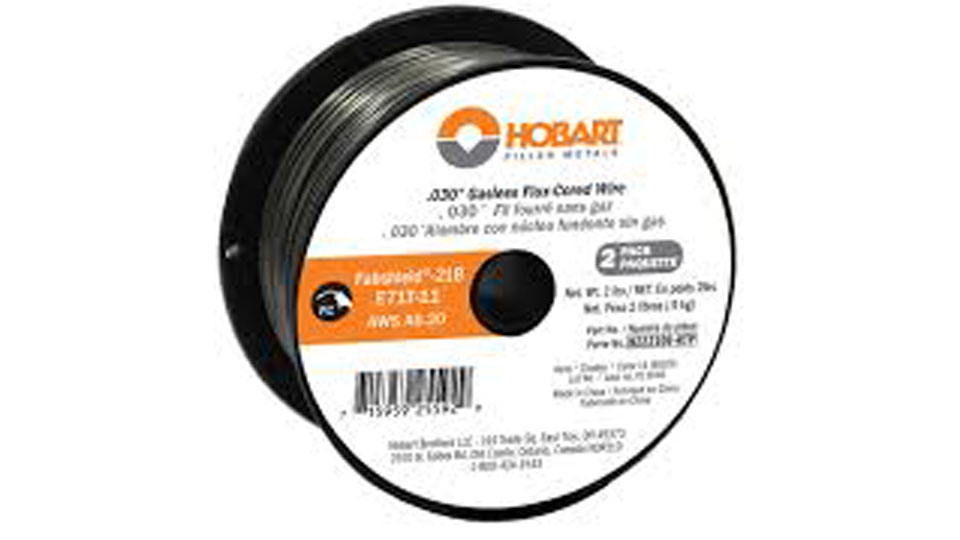
If you want convenience and don’t mind some extra cleanup, this is a great choice.
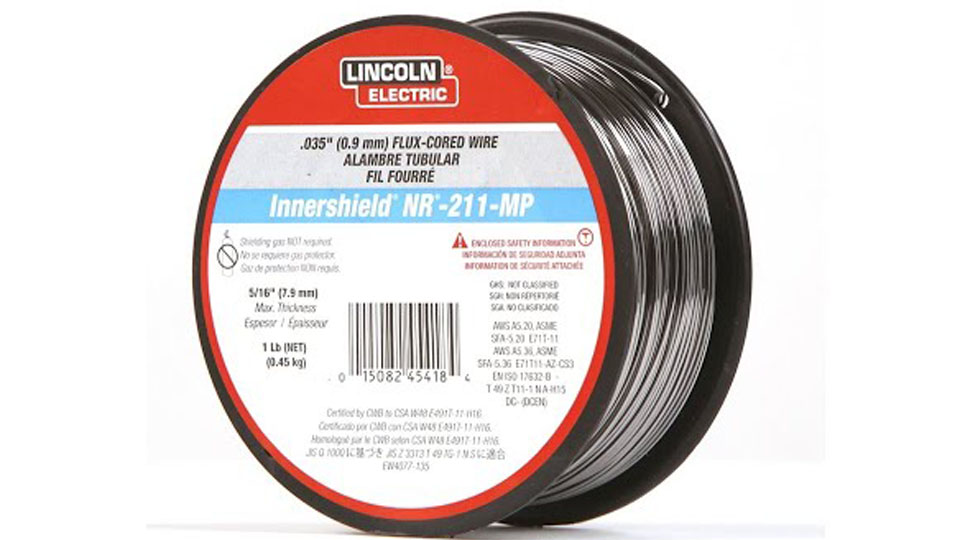
Lincoln Electric NR-211-MP – Great for General Welding
Another flux-core option, Lincoln Electric NR-211-MP, is widely used for repair work, light fabrication, and farm equipment. It’s easy to use, even for beginners, and provides solid results on galvanized steel.
Pros:
- No shielding gas required
- Easy to use
- Good penetration
Cons:
- More spatter compared to solid wire
- Fumes require proper ventilation
If you need a reliable, general-purpose flux-core wire, this is a great option.
ER70S-6 Solid Wire – Best for Clean Welds
When I want a clean, professional weld, I go for ER70S-6 solid wire with a C25 gas mix (75% Argon, 25% CO₂). It’s a fantastic option if you have a shielding gas setup and need smooth, strong welds.
Pros:
- Clean welds with minimal spatter
- Excellent penetration
- Works great on thin galvanized steel
Cons:
- Requires shielding gas
- Not ideal for outdoor welding
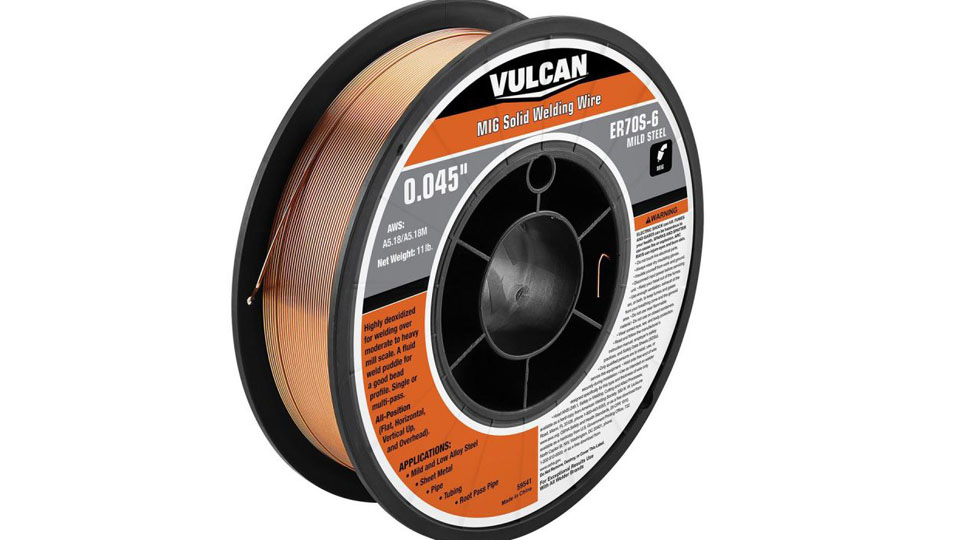
If you can use gas, this is one of the best wires for welding galvanized steel.
Blue Demon ER70S-3 – Best for Minimal Spatter
Blue Demon is known for quality welding products, and their ER70S-3 wire is perfect when working with galvanized materials that are already fairly clean. If you want a smooth bead with minimal cleanup, this is a fantastic choice.
Pros:
- Low spatter and smooth arc
- Great for automotive and fabrication work
- Produces strong welds
Cons:
- Requires shielding gas
- Works best on clean, prepped steel
If you need a wire that gives great arc control and a clean finish, Blue Demon is a solid pick.
INEFIL ER70S-6 – Best for Industrial Welding
For those working in industrial settings or heavy-duty projects, INEFIL ER70S-6 is an outstanding option. This wire gives strong penetration, low spatter, and a beautiful bead profile when used with gas.
Pros:
- Consistently smooth welds
- Works well on thicker galvanized steel
- Very little spatter
Cons:
- Requires shielding gas
- More expensive than other options
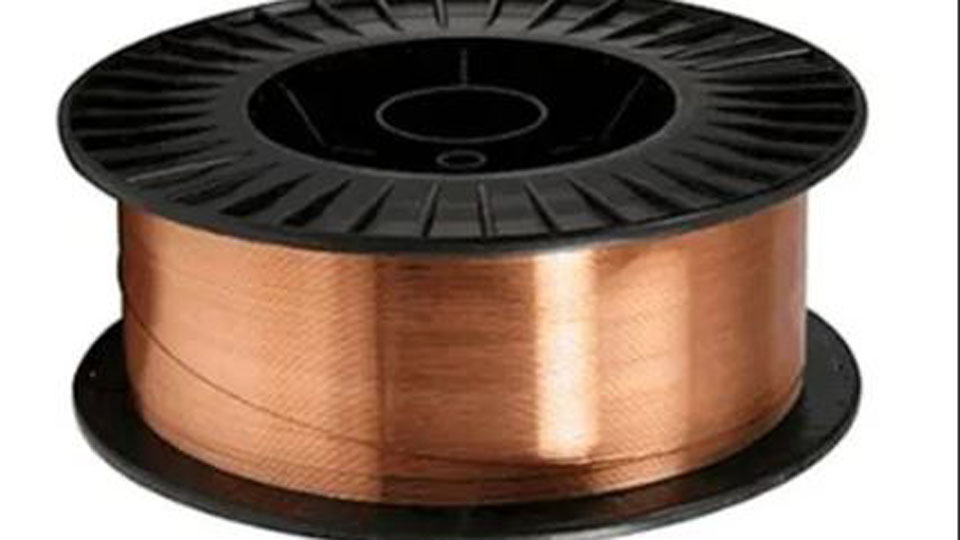
If you want high-quality welds with fewer post-weld touch-ups, this is a fantastic choice.
How to Get the Best Welds on Galvanized Steel
Even with the right wire, you still need to adjust your technique for the best results. Here’s what I do:
Remove Some of the Zinc Coating
I always grind off a small section of the zinc near the weld area. This helps reduce fumes and prevents porosity.
Increase Travel Speed
Welding galvanized steel too slowly can cause excessive burn-through and fumes. Keeping a steady, quick travel speed prevents overheating the metal.
Use the Right Gas
If you’re using solid MIG wire, a C25 gas mix (75% Argon, 25% CO₂) gives the best results. It keeps the arc smooth and reduces spatter.
Ventilation is Key
Zinc fumes are dangerous. I always make sure I’m working in a well-ventilated area or wearing a proper respirator.
Conclusion
Picking the right MIG wire for galvanized steel can make all the difference. Flux-core wires like Hobart Fabshield 21B or Lincoln NR-211-MP are great if you don’t want to use gas, while solid wires like ER70S-6 or Blue Demon ER70S-3 provide the cleanest welds when used with shielding gas.
The key to success is matching the right wire with your welding setup and taking the proper safety precautions. Once you have the right wire and technique, welding galvanized steel becomes much easier.
FAQs
Can I weld galvanized steel with normal MIG wire?
Yes, but you’ll need to grind off the zinc coating and use the right shielding gas for best results.
What’s the best gas for MIG welding galvanized steel?
A 75% Argon / 25% CO₂ (C25) mix works best with solid MIG wire.
How do I reduce spatter when welding galvanized steel?
Use ER70S-6 solid wire, keep your travel speed steady, and ensure good gas coverage.
Is welding galvanized steel dangerous?
It can be if you don’t take precautions. Always work in a ventilated area and wear a respirator to avoid zinc fumes.


