
Are you interested in the world of automotive repairs and modifications? Have you ever wondered about the implications of welding on vehicles with ECUs (Engine Control Units)? Look no further, as this article provides an in-depth exploration of this topic. As technology continues to advance, ECUs have become an integral part of modern vehicles.
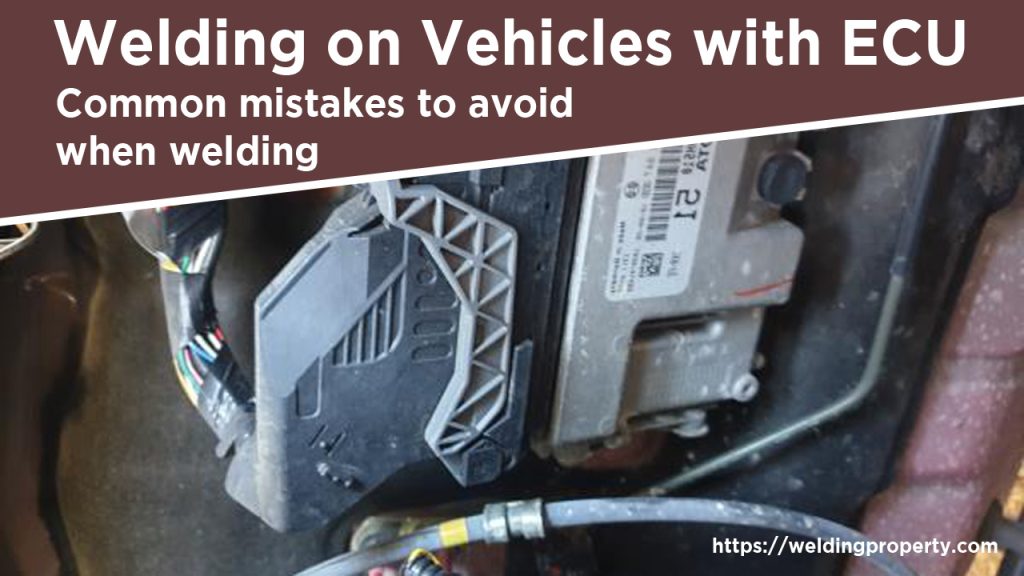
Photo by b-parts
These electronic systems control and manage a wide range of functions, including engine performance, fuel efficiency, and emissions. However, when it comes to welding on vehicles with ECUs, there are specific considerations that need to be taken into account.
We will delve into the potential risks and challenges associated with welding on vehicles equipped with ECUs. We will explore the importance of protecting these sensitive electronic components during the welding process and discuss recommended procedures to ensure your vehicle’s ECU remains unharmed.
ECU and its role in vehicle welding
Modern vehicles rely heavily on ECUs to control and optimize various aspects of their performance. The ECU, or Engine Control Unit, is a computerized system that monitors and regulates the engine’s operations.
It receives input from various sensors and uses this information to adjust fuel injection, ignition timing, and other critical parameters.
When it comes to welding on vehicles with ECUs, it’s essential to understand the potential impact on these sensitive electronic components.
Welding generates intense heat, electrical currents, and magnetic fields, all of which can interfere with the ECU’s delicate circuitry. Therefore, it’s crucial to take the necessary precautions to protect the ECU during the welding process.
Proper welding techniques for vehicles with ECU
Proper welding techniques are vital when working on vehicles with ECUs to avoid damaging these sensitive components.
Welding produces heat, sparks, and electromagnetic interference, which can cause electrical disturbances or even lead to a complete failure of the ECU. To prevent such issues, it’s crucial to follow specific guidelines and best practices.
One fundamental consideration is to disconnect the vehicle’s battery before starting any welding work. This step helps eliminate the risk of electrical surges that can damage the ECU.
Using a surge protector or voltage stabilizer can provide an extra layer of protection against power fluctuations during the welding process.
Another essential aspect is to ensure proper grounding during welding. Grounding the work area and the welding equipment helps divert electrical currents away from the vehicle’s sensitive electronics, reducing the risk of damage to the ECU. Using a dedicated grounding cable and establishing a solid connection to a suitable grounding point are essential steps to follow.
Potential risks and challenges of welding on vehicles with ECU
When welding on vehicles with ECUs, several risks and challenges need to be considered to minimize the potential for damage. One of the significant risks is heat transfer.
Welding generates intense heat, which can quickly spread to nearby components, including the ECU. Excessive heat can cause the ECU’s circuitry to overheat, leading to malfunctions or permanent damage.
Electromagnetic interference (EMI) is another challenge to be aware of. Welding produces strong electromagnetic fields that can interfere with the ECU’s sensitive electronics.
This interference can disrupt the signals being sent and received by the ECU, leading to erratic behavior or malfunctioning of the vehicle’s systems.
The welding process often involves the use of filler materials and fluxes, which can release harmful substances and gases. These substances can contaminate the ECU if proper precautions are not taken, potentially affecting its functionality.
It’s crucial to ensure adequate ventilation and use appropriate protective measures, such as welding curtains or shields, to prevent debris or fumes from reaching the ECU.
Precautions and safety measures for welding on vehicles with ECU
To protect the ECU during welding, it’s essential to take specific precautions and follow safety measures. Firstly, ensure that the vehicle is parked in a well-ventilated area, preferably away from flammable materials. Proper ventilation helps dissipate harmful fumes and reduce the risk of fire or explosion.
Disconnect the vehicle’s battery and remove the ECU from its mounting location, if possible. Removing the ECU eliminates the risk of accidental damage during the welding process.
If removing the ECU is not feasible, cover it with a fire-resistant blanket or material to provide an added layer of protection against sparks, heat, and debris.
Consider using a welding blanket or shield to create a physical barrier between the ECU and the welding area. This barrier helps prevent heat transfer, sparks, and debris from reaching the ECU, reducing the risk of damage.
It’s also essential to ensure that all welding equipment is in good working condition and properly grounded to minimize the chances of electrical disturbances.
Tools and equipment needed for welding on vehicles with ECU
To successfully weld on vehicles with ECUs, specific tools and equipment are required to ensure the safety of the ECU and achieve quality welds. Here are some essential tools and equipment you will need:
Welding machine
Choose a welding machine suitable for the type of welding you will be doing, such as MIG, TIG, or stick welding. Ensure that the machine is in good working condition and properly grounded.
Welding helmet
A welding helmet with a suitable shade level is essential to protect your eyes from the intense light produced during welding. Make sure the helmet is ANSI-approved and provides adequate protection.
Welding gloves
Heat-resistant welding gloves are necessary to protect your hands from burns and sparks. Choose gloves that provide both heat protection and dexterity for better control during welding.
Welding curtains or shields
These protective barriers help contain sparks, heat, and debris within the welding area, preventing them from reaching the ECU or other sensitive components.
Fire-resistant blankets or materials
These can be used to cover and protect the ECU from sparks, heat, and debris during the welding process.
Surge protector or voltage stabilizer
These devices help protect the ECU from electrical surges or fluctuations that can occur during welding.
Step-by-step guide to welding on vehicles with ECU
Now that we understand the potential risks and challenges associated with welding on vehicles with ECUs, let’s walk through a step-by-step guide to ensure a successful welding process while keeping the ECU safe:
Choose a suitable welding location
Ensure that the area is well-ventilated, free from flammable materials, and provides enough space to work comfortably.
Disconnect the vehicle’s battery: This step eliminates the risk of electrical surges that could damage the ECU. Follow the manufacturer’s instructions for disconnecting the battery safely.
Remove the ECU (if possible)
If feasible, remove the ECU from its mounting location to prevent accidental damage during welding. Store it in a safe place away from the welding area.
Prepare the welding area
Set up welding curtains or shields to contain sparks, heat, and debris within the work area. Ensure that the area is clean and free from any flammable materials.
Ground the welding equipment
Establish a solid connection between the welding equipment and a suitable grounding point. This helps divert electrical currents away from the vehicle’s sensitive electronics.
Inspect the welding equipment
Check that all welding equipment, including the welding machine, cables, and accessories, is in good working condition. Replace any damaged or worn-out components.
Follow proper welding techniques
Use the appropriate welding technique for the type of welding being performed (MIG, TIG, stick, etc.). Ensure that you maintain a steady hand and create strong, consistent welds.
Monitor heat transfer
Keep a close eye on the surrounding components, especially the ECU, to prevent excessive heat transfer. Use fire-resistant blankets or materials to cover the ECU as an extra precaution.
Allow time for cooling
After completing the welding process, allow the welded area to cool down before reinstalling the ECU or reconnecting the vehicle’s battery. This helps prevent thermal shock or damage to the ECU.
Reinstall the ECU (if applicable) and reconnect the battery
Once the welded area has cooled down, reinstall the ECU (if it was removed) and reconnect the vehicle’s battery. Double-check all connections and ensure everything is securely in place.
Mistakes to avoid when welding on vehicles with ECU
To ensure a successful welding process on vehicles with ECUs, it’s essential to avoid common mistakes that can lead to damage or malfunctioning of the ECU. Here are some mistakes to watch out for:
Not disconnecting the battery
Failing to disconnect the vehicle’s battery before welding can result in electrical surges that can damage the ECU or other electronic components.
Improper grounding
Inadequate grounding of the welding equipment can lead to electrical disturbances that may affect the ECU’s functionality.
Lack of proper shielding
Neglecting to use welding curtains, shields, or fire-resistant blankets to protect the ECU from sparks, heat, and debris increases the risk of damage.
Overheating the ECU
Allowing excessive heat to transfer to the ECU can cause it to overheat, leading to malfunctions or permanent damage.
Ignoring ventilation and fume extraction
Inadequate ventilation can result in the buildup of harmful fumes and gases, which can contaminate the ECU and affect its performance.
Rushing the cooling process
Failing to allow sufficient time for the welded area to cool down before reinstalling the ECU or reconnecting the battery increases the risk of thermal shock or damage.
Best practices for successful welding on vehicles with ECU
To ensure a successful welding process on vehicles with ECUs, follow these best practices:
Always prioritize safety
Wear appropriate protective gear, such as a welding helmet, gloves, and protective clothing. Ensure that the work area is well-ventilated and free from flammable materials.
Disconnect the vehicle’s battery
Before starting any welding work, disconnect the vehicle’s battery to eliminate the risk of electrical surges that can damage the ECU or other electronic components.
Ground the welding equipment properly
Establish a solid connection between the welding equipment and a suitable grounding point to minimize the chances of electrical disturbances.
Use shielding and protective measures
Set up welding curtains, shields, or fire-resistant blankets to create a physical barrier between the ECU and the welding area. This helps prevent sparks, heat, and debris from reaching the ECU.
Monitor heat transfer
Keep a close eye on the surrounding components, especially the ECU, to prevent excessive heat transfer. Use fire-resistant blankets or materials to cover the ECU as an extra precaution.
Follow recommended welding techniques
Use the appropriate welding technique for the type of welding being performed. Ensure that you maintain a steady hand and create strong, consistent welds.
Allow sufficient cooling time
After completing the welding process, allow the welded area to cool down before reinstalling the ECU or reconnecting the vehicle’s battery. This helps prevent thermal shock or damage to the ECU.
Double-check all connections
Before finalizing the welding process, double-check all connections and ensure that everything is securely in place. Reinstall the ECU (if applicable) and reconnect the battery, paying attention to proper connections.
Frequently Asked Questions
Can welding damage a vehicle’s ECU?
Yes, welding can generate voltage spikes that may damage the ECU and other sensitive electronics. Proper precautions are essential to protect these components.
What precautions should I take before welding on a vehicle with an ECU?
Disconnect the battery, unplug the ECU if possible, and use grounding clamps close to the weld area. It’s also advisable to use surge protectors on any nearby electronics.
Why is grounding important when welding on vehicles?
Proper grounding helps direct the electrical current flow, minimizing the risk of voltage spikes that can damage the ECU and other electrical systems.
Should I remove the ECU before welding?
If feasible, it’s often best to remove or disconnect the ECU before welding. This provides an added layer of protection for the vehicle’s electronics.
Can I weld on any part of a vehicle with an ECU?
Certain areas near the ECU or sensitive electronic systems should be avoided. Always consult the vehicle’s manual or a specialist to identify safe welding areas.
What is the safest welding method for vehicles with an ECU?
Spot welding is often preferred for its controlled heat and limited current flow, but always follow manufacturer guidelines for the specific vehicle model.
Conclusion
Welding on vehicles with ECUs requires careful consideration and adherence to specific guidelines to protect these sensitive electronic components.
By understanding the potential risks, following proper techniques, and taking necessary precautions, you can successfully weld on vehicles with ECUs without compromising their functionality.
Remember to always prioritize safety and use the appropriate tools and equipment for the welding process. Disconnecting the vehicle’s battery, proper grounding, and using shielding or protective measures are essential steps to protect the ECU from the heat, sparks, and electromagnetic interference generated during welding.
With the knowledge gained from this article, you can confidently approach welding on vehicles with ECUs, whether you’re a professional automotive technician or an enthusiastic DIYer.
By following best practices and avoiding common mistakes, you can ensure a successful welding process while safeguarding the integrity of the vehicle’s ECU.


