
A MIG welder that feeds wire unevenly can turn a simple bead into a frustrating mess—burnbacks, bird-nesting, or a wire that just refuses to stay consistent.
Most of the time, the first suspect is the drive system, and knowing how to test MIG welder drive motor becomes the key to stopping the guesswork.
In real workshop use, I’ve seen good welders blamed for bad settings when the real issue was a weak or inconsistent drive motor.
When that motor struggles, wire feed speed drops or fluctuates, and your arc immediately suffers—no matter how perfect your voltage or technique is. It shows up fast once you start welding, especially on longer beads.
That’s why this matters more than most people think. A healthy drive motor means stable wire delivery, smoother arcs, and fewer interruptions mid-weld.
I’ll walk through practical ways to check the motor, spot early warning signs, and figure out whether you need a simple fix or a full replacement.
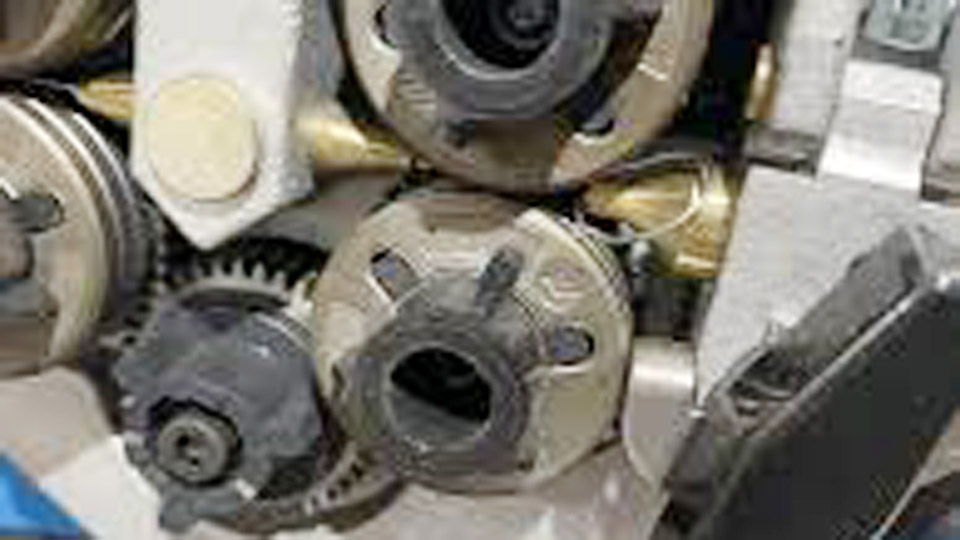
Image by reddit
Why Your MIG Drive Motor Matters More Than Most Realize
The drive motor pushes wire at a precise, consistent speed to match your voltage and shielding gas setup. When it falters, you get birds-nesting, burnbacks, erratic arcs, or no feed at all.
I’ve seen beginners chase voltage and gas flow for days only to discover a gummed-up motor or bad tension setting. Pros know better—test the feeder system early.
Common symptoms I see in the shop:
- Motor hums but rollers don’t turn
- Wire feeds intermittently or stops under load
- Motor runs but wire slips or birds nests in the drive assembly
- Trigger pull does nothing despite power to the machine
These issues show up on everything from thin auto body sheet to thicker structural steel. Catching them early saves wire, gas, tips, and your patience.
Understanding How the MIG Wire Feeder Drive Motor Works
The drive motor is usually a DC permanent magnet motor paired with a gearbox that turns the drive rollers. When you pull the gun trigger, it closes a circuit that sends low-voltage power (often 12-30V DC) to the motor through a control board or potentiometer that adjusts speed. The rollers grip the wire—solid or flux-cored—and push it down the liner to the contact tip.
Key components you’ll work with:
- Drive rollers (grooved for wire diameter)
- Tension arm/knob
- Inlet and outlet guides
- Motor itself with brushes or brushless in newer units
- Control board or speed potentiometer
- Trigger circuit and wiring
On most US shop machines, the motor is reliable but hates dust, flux residue, and improper tension that makes it work overtime.
Step-by-Step: How to Test Your MIG Welder Drive Motor
Start with the easiest checks before grabbing tools. Safety first—unplug the machine or turn off the power switch and disconnect the work clamp.
1. Visual and Mechanical Inspection
Open the side panel and look at the drive assembly. Is there built-up dirt, flux, or wire shavings? I’ve fixed plenty of units just by cleaning.
Spin the rollers by hand with tension released—they should turn freely without grinding. Check for worn grooves on the rollers. Wrong size or reversed rollers are a top beginner mistake.
Inspect the wire: Is it rusty, kinked, or the wrong diameter for your rollers? Use .030″ or .035″ for most mild steel work—match it exactly.
2. Basic Function Test – Trigger Pull
Reconnect power. Set wire speed to mid-range (not zero). Pull the trigger with the gun disconnected if possible. Does the motor run? Rollers turn smoothly?
If nothing happens:
- Double-check wire speed dial isn’t at zero
- Listen for a click from the contactor/relay
- Test with a short piece of wire or U-shaped jumper across the trigger pins on the Euro connector to bypass the gun (disconnect ground first for safety)
3. Voltage Testing at the Motor
This is where it gets technical but straightforward with a multimeter. Set your meter to DC volts. Locate the wires going to the motor (usually two). With the trigger pulled, you should see voltage—typically 12-30V depending on the machine and speed setting.
No voltage? Problem is upstream in the trigger circuit, board, or potentiometer. Voltage present but motor silent? Likely a bad motor.
4. Motor Bench Test (If Removed)
If you pull the motor, apply direct DC power from a battery or power supply matching its rating. It should spin cleanly. Stuck or humming without rotation usually means seized bearings, bad brushes, or a shorted winding. Many shop motors are replaceable affordably.
5. Under-Load Testing
Reinstall and feed wire into a scrap block or let it push against something safe. The motor should maintain steady speed without bogging down. If it slows or stalls easily, check tension, roller condition, and gun liner for restrictions.
Common Drive Motor Problems and Real Fixes I’ve Used
Motor Runs But Wire Doesn’t Feed Consistently
Usually tension, rollers, or liner issues. Too little tension and the wire slips. Too much and it flattens the wire or overloads the motor.
My rule: Start loose, increase until you can just stop the wire with moderate finger pressure (gloves on) without the motor slowing noticeably. The wire should slip in the rollers before the motor stalls.
Motor Hums But Won’t Turn
Seized bearings, debris between roller and drive, or low voltage. Clean thoroughly. On older machines, brushes wear out—replace them.
Intermittent Feeding
Wiring chafing, bad potentiometer, loose connections, or failing control board. Vibration in mobile rigs loosens things fast. I wiggle wires while triggering to find intermittents.
Noisy Motor or Grinding
Worn gears or bearings. Some budget machines need motor replacement after heavy use. Flux-cored wire is dirtier and accelerates wear.
Birds Nesting at the Drive Rollers
Classic sign of downstream restriction—clogged liner, wrong contact tip, or kinked wire. Stop immediately, clear the jam, and address the root cause or you’ll burn out the motor.
Tools and Safety Practices Every Welder Should Use
You need:
- Digital multimeter
- Screwdriver set and Allen keys
- Wire cutters and needle-nose pliers
- Shop vacuum and degreaser
- Replacement rollers, liners, and tips
Always wear gloves and eye protection. Unplug before deep disassembly. Work in a well-ventilated area—cleaning solvents add to fume load.
Machine-Specific Notes for Popular US Welders
Millermatic series (like 140, 211): Solid feeders but check the potentiometer—they wear and cause erratic speed. Drive motors are durable but hate aluminum wire without proper U-groove rollers.
Lincoln PowerMIG and Pro-MIG: Robust but test the relay. Older units have straightforward wiring that’s easy to trace.
Hobart and Forney inverters: Often budget-friendly with decent feeders. Pay extra attention to tension on flux-cored wires.
Spool guns for aluminum: Separate drive systems—test them independently as they have their own motors prone to dust from outdoor work.
Setting Up for Success: Tension, Wire, and Liner Best Practices
Proper setup prevents most “motor” complaints. Use the correct drive rolls—V-groove for solid wire, U-groove for softer aluminum or flux-cored.
Keep liners clean and straight; replace when they get spiral wear. For shop repairs on mild steel, .035″ wire gives good penetration with less feeding hassle than thinner stuff.
Joint prep still matters. Clean metal to bare, good fit-up, and proper gun angle reduce the load on your feeder.
When to Repair vs. Replace the Drive Motor
Smaller hobby machines often justify a full feeder replacement if the motor is toast—parts can add up. On pro shop units, motors and boards are serviceable. Check your manual for model-specific torque specs when reassembling.
I’ve rebuilt several that outlasted expectations with basic maintenance: blow out dust every few months, light oil on bearings (sparingly), and proper tension.
Advanced Troubleshooting: Control Boards and Electronics
Newer inverters use boards that control speed via PWM. Symptoms of board failure include no voltage to motor despite trigger signal or speed that won’t adjust.
Tracing these requires schematic knowledge or swapping with a known good part. For most readers, a local repair shop or new board is practical.
Comparing Drive Systems: Standard vs. Spool Gun vs. Push-Pull
Standard push feeders work great for steel up to 15-25 ft torches. Aluminum often needs spool guns or push-pull systems with extra motors. Each has unique testing steps—always isolate the feeder section.
Preventive Maintenance Schedule That Actually Works
- Daily: Check tension and clean rollers
- Weekly: Inspect liner and blow out cabinet
- Monthly: Test motor voltage under load
- Annually: Deep clean and check brushes/connections
This keeps downtime near zero even in dusty fabrication environments.
Real-World Examples from the Shop Floor
One Saturday I had a guy bring in his Millermatic for “dead feeder.” Ten minutes later it was a dirty roller groove and loose tensioner. Another time on a structural repair job, intermittent feed traced to a chafed wire from the board to motor—fixed with heat shrink and zip ties.
These small issues compound on big projects where consistent penetration prevents cracks or weak joints.
Building Confidence in Your MIG Setup
Once you master drive motor testing, your whole welding game improves. You dial in settings faster, troubleshoot on the fly, and produce cleaner work with less spatter and better fusion.
Take time with scrap metal to practice. Run beads at different wire speeds and watch how the arc responds when feed is perfect versus marginal. That muscle memory pays off.
The single best pro tip I can leave you with: Always test-feed a few inches of wire into the air or a scrap block before welding on the actual piece. It reveals problems before they ruin your joint or burn back into the contact tip.
Final Thoughts
Mastering how to test MIG welder drive motor turns frustrating downtime into quick diagnostics. Keep your machine clean, respect the tension settings, and stay methodical.
Your beads will run smoother, your projects will finish faster, and you’ll spend more time actually welding instead of chasing ghosts in the feeder. Grab your multimeter and get after it next time something feels off—you’ve got this.
FAQ
Why does my MIG welder motor hum but the wire doesn’t move?
Usually seized rollers from debris or bad bearings, or excessive tension flattening the wire. Release tension, clean everything, and test again. If it still hums without turning, voltage test the motor.
How do I know if my drive motor is getting proper voltage?
Use a multimeter on DC volts across the motor leads while pulling the trigger. Expect 12-30V depending on speed setting and machine model. No reading points to trigger switch, wiring, or control board issues.
Can wrong drive roll tension damage the motor?
Yes. Too tight and the motor works harder than needed, leading to overheating and premature failure. Too loose causes slipping and inconsistent feed that makes you crank settings higher unnecessarily.
Is it worth repairing an old MIG drive motor or buying new?
For machines under 5-7 years old with good overall condition, yes—motors and rollers are often inexpensive. Very old or abused units may be better as parts donors or replaced with a newer feeder assembly.
What’s the right way to test without the gun attached?
Use a jumper across the trigger sockets on the machine’s front panel (Euro connector). This isolates whether the problem is in the torch or the machine itself. Always disconnect power and ground first.


