
When we talk about welding, safety always comes first, and carbon arc welding is no exception. Carbon arc welding (CAW) is a powerful and versatile technique, but it also has its risks. Knowing the right level of protection is essential for anyone involved in this process.
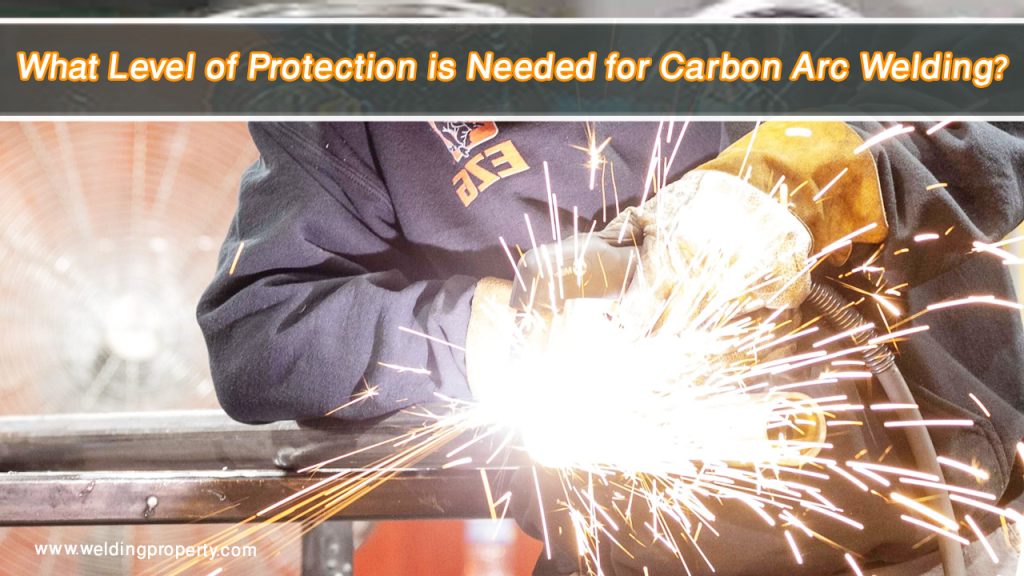
Image by paulsonmfg
Let’s explore what makes carbon arc welding unique, what kind of hazards come with it, and, most importantly, how we can stay safe with the right protective gear and precautions.
What is Carbon Arc Welding?
Carbon arc welding is one of the oldest welding methods, using an electric arc between a carbon electrode and the workpiece to produce intense heat. This heat is used to melt and join metals together. It’s effective, relatively simple, and can be used on various metals.
However, due to the intense heat and the bright arc it creates, carbon arc welding requires careful attention to safety and proper protective equipment.
Unlike other types of welding, carbon arc welding produces a particularly bright arc that emits significant ultraviolet (UV) and infrared (IR) radiation.
This makes it necessary for welders to wear gear that will protect their eyes, skin, and respiratory system from these intense emissions and other potential hazards.
Why is Protection Essential in Carbon Arc Welding?
You might wonder, why is protection such a big deal in carbon arc welding? The answer lies in the hazards unique to this method.
Carbon arc welding generates a bright arc, high temperatures, and fumes that can pose risks if not properly managed. Here’s a look at some specific dangers and why protection is crucial:
Bright Arc Radiation
The arc in carbon arc welding emits intense light, including ultraviolet (UV) and infrared (IR) radiation, which can cause eye injuries and skin burns if not shielded against properly.
UV radiation, in particular, can lead to “welder’s flash” or “arc eye,” which is a painful condition that affects the cornea.
High Temperature and Heat
The intense heat generated by the arc can cause burns, even if you’re not directly touching the workpiece. It can also heat surrounding objects, creating an environment where accidental burns can occur if you’re not careful.
Fumes and Gases
Carbon arc welding produces fumes that can be hazardous to breathe, especially if you’re working with metals that release toxic substances. Inhaling these fumes can lead to respiratory issues and long-term health effects if proper ventilation and respiratory protection are not in place.
Electrical Hazards
As with any electric welding process, there’s always a risk of electrical shock. Using a carbon electrode requires a high current, and any mistake in handling the equipment or failing to ground it properly could lead to severe injury.
Essential Protective Gear for Carbon Arc Welding
To protect yourself during carbon arc welding, you need more than just basic safety equipment. Due to the high levels of heat, radiation, and fumes, the right level of protection is critical. Here’s a breakdown of what you need:
Welding Helmet with Shade 10+ Lens
One of the most crucial pieces of equipment for carbon arc welding is a high-quality welding helmet. This should have a lens with a shade rating of at least 10, but often a higher shade level is recommended due to the brightness of the arc.
The shade protects your eyes from intense light and harmful UV and IR radiation. Auto-darkening helmets are popular because they adjust the shade level as needed, providing both protection and convenience.
Safety Glasses Underneath the Helmet
In addition to a helmet, wearing safety glasses underneath provides extra protection against flying particles and offers an additional layer of defense for your eyes. Clear or tinted safety glasses work well, as they also help shield against UV rays that may penetrate through the sides of the helmet.
Flame-Resistant Clothing
Wearing flame-resistant (FR) clothing is essential in carbon arc welding. Look for jackets, aprons, and pants made from materials like treated cotton or leather.
These fabrics resist sparks, splatters, and the heat generated during welding. Avoid synthetic materials, as they can melt and cause severe burns if exposed to high temperatures.
Welding Gloves
A quality pair of welding gloves is a must. Look for gloves that are not only flame-resistant but also insulated enough to protect your hands from the heat.
Leather gloves are a popular choice for their durability and resistance to heat. Make sure they cover your wrists and fit snugly, allowing you to handle the tools and materials safely.
Respiratory Protection
Depending on the metals you’re working with, respiratory protection might be necessary. Carbon arc welding can produce harmful fumes, especially if metals like stainless steel, galvanized steel, or certain coatings are involved.
A respirator with a particulate filter, ideally a P100 filter, will provide protection against most fumes. If ventilation is limited or you’re working with particularly toxic materials, a powered air-purifying respirator (PAPR) might be more suitable.
Hearing Protection
Carbon arc welding can be loud, especially when working in enclosed spaces. Ear protection, such as earplugs or earmuffs, helps prevent hearing damage from prolonged exposure to loud sounds.
Welders often underestimate the noise hazard, but over time, loud environments can lead to permanent hearing loss if not protected against.
Additional Safety Precautions for Carbon Arc Welding
In addition to personal protective equipment, there are other essential safety precautions to consider. Carbon arc welding can be made significantly safer by following these steps:
Proper Ventilation
Good ventilation is key to preventing the buildup of hazardous fumes. Working in a well-ventilated area or using local exhaust ventilation systems can significantly reduce the risk of inhaling toxic gases.
If you’re working in a confined space, make sure to have additional ventilation, like a fan or fume extractor, to keep the air clean.
Fire Safety Measures
With the high temperatures and sparks involved in carbon arc welding, fire safety is crucial. Keep a fire extinguisher nearby, preferably one rated for Class D (metal) fires if you’re working with metals prone to ignite.
Clear the work area of flammable materials, and if possible, set up a fire-resistant barrier around the welding space.
Proper Grounding and Equipment Maintenance
Because carbon arc welding uses high currents, ensuring proper grounding of your equipment is essential. This reduces the risk of electric shock. Regularly inspect your welding equipment for any wear, loose connections, or damage, and replace parts as needed to keep the system safe.
Safe Workspace Layout
Organize your workspace to reduce tripping hazards and ensure there’s enough room to maneuver safely. Having clear, designated areas for equipment, tools, and safety gear helps maintain a safe working environment. Also, be sure to set up warning signs if others are nearby to alert them of the welding hazards.
Comparison of Carbon Arc Welding Protective Gear
Here’s a quick reference table that summarizes the protective equipment needed for carbon arc welding:
| Protective Gear | Purpose | Specifications |
|---|---|---|
| Welding Helmet | Protects eyes and face from arc radiation | Shade level 10+ lens, auto-darkening recommended |
| Safety Glasses | Extra eye protection against particles and UV light | Clear or tinted, ANSI-approved |
| Flame-Resistant Clothing | Shields body from sparks and heat | Leather or FR-treated cotton, no synthetic materials |
| Welding Gloves | Protects hands from heat and burns | Leather, heat-insulated, wrist coverage |
| Respirator | Filters harmful welding fumes | P100 filter or PAPR for high-fume environments |
| Hearing Protection | Prevents hearing damage from loud noise | Earplugs or earmuffs |
Why This Level of Protection is Important
The level of protection required for carbon arc welding isn’t just for peace of mind—it’s essential for preventing serious injuries and long-term health issues.
Welding-related injuries, like eye damage, skin burns, respiratory problems, and hearing loss, are common but preventable with the right equipment. Carbon arc welding is a powerful tool, and with power comes responsibility for safety.
Protecting yourself in every way possible might seem like a lot of effort, but it’s worth it. Skimping on safety can have lasting consequences, and the cost of proper protective gear is a small price to pay compared to the risks.
Final Thoughts
Carbon arc welding is an effective and versatile technique, but it’s one that requires a high level of protection. From a helmet with the correct shade level to flame-resistant clothing and respiratory gear, every piece of protection plays a role in keeping you safe.
By understanding the unique risks of carbon arc welding and taking these precautions, you can work with confidence and focus on getting the job done without compromising your health or safety.
Each piece of protective equipment is there for a reason, and investing in quality gear is investing in your well-being. So, before you start welding, make sure you’re fully equipped with everything you need to stay safe.


