
My first real welding job on a farm repair gig in rural Texas. I was young, eager, and thought I could skip a few corners on safety because “it’s just a quick bead on mild steel.” Halfway through, a spark landed inside my boot. The pain was instant, and the lesson stuck with me forever. That small oversight could have been much worse.
Safety rules in welding aren’t just bureaucratic checkboxes—they’re what separate professionals who go home at the end of the day from those who end up with burns, respiratory issues, or worse.
Whether you’re a DIY hobbyist building a trailer in your garage, a welding student practicing in trade school, or a fabricator picking up new techniques, these fundamentals will save you time, money, and pain.
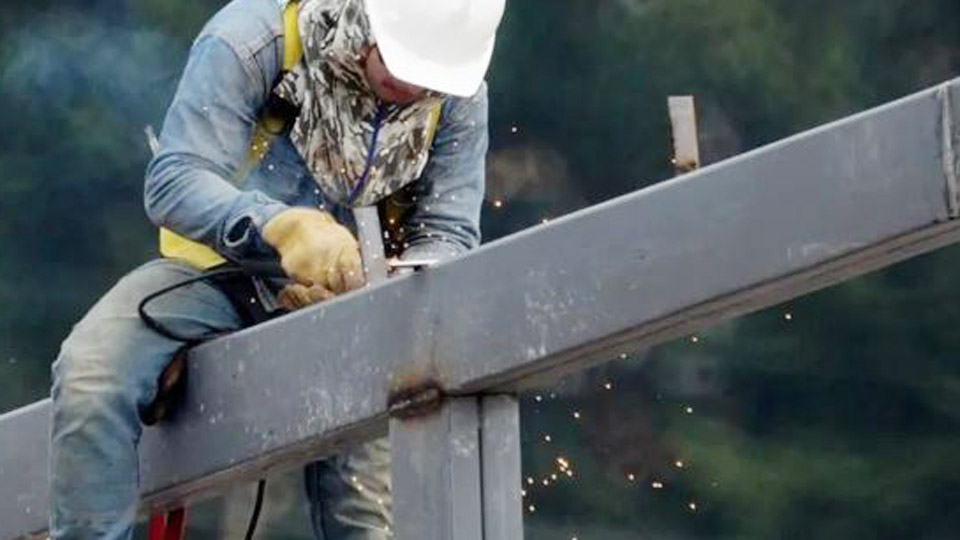
Image by simbott
Why Safety Rules in Welding Matter More Than Most Beginners Realize
Welding combines intense heat, electricity, harmful fumes, and flying molten metal. One overlooked step can lead to flash burns, electric shock, fires, or long-term lung damage. I’ve seen experienced welders get complacent and pay for it. Beginners often focus only on laying a good bead while ignoring the environment around them.
Proper safety practices improve your weld quality too. When you’re comfortable and protected, you can focus on amperage settings, travel speed, and puddle control instead of worrying about that spark burning through your shirt.
In the US, OSHA guidelines exist for good reason, but real-world shop safety goes beyond regulations—it’s about developing habits that become second nature.
Essential Personal Protective Equipment (PPE) Every Welder Needs
Let’s start with the basics every beginner must own and actually use.
What proper PPE includes:
A quality welding helmet with auto-darkening lens (shade 9-13 adjustable), leather gloves designed for your process, flame-resistant jacket or sleeves, safety glasses under the helmet, steel-toe boots with metatarsal guards, and ear protection.
How it works in practice:
Auto-darkening helmets react in milliseconds to the arc, protecting your eyes from UV and IR radiation that causes arc flash. Leather deflects sparks and heat. Cotton or synthetic clothes are dangerous because they melt or catch fire easily.
When and why to use specific gear:
Always wear full PPE before striking an arc. I recommend a minimum 10-12 shade for MIG and stick welding on mild steel. For TIG on aluminum or stainless, you might drop to 9-11 depending on amperage.
Practical tips from the shop:
Buy a helmet with a large viewing area—it reduces neck strain during long sessions. Replace helmet lenses when they get pitted; a scratched lens causes eye fatigue fast. Keep spare gloves in your toolbox because they wear out quicker than you think, especially on rough projects.
Common beginner mistake: Wearing running shoes or canvas sneakers. A single hot slag ball can melt right through and burn your foot. Invest in proper boots early.
Fire Prevention and Hot Work Safety Practices
Welding fires destroy shops and homes every year. Don’t let it happen to you.
Understanding fire risks:
Sparks can travel up to 35 feet. Hot slag stays hot for minutes. Combustible materials like wood, oil rags, or cardboard ignite easily.
How to create a safe welding area:
Clear a 35-foot radius of all flammables. Use fire blankets or welding curtains. Keep a charged ABC fire extinguisher within arm’s reach. Have a fire watch if working in unfamiliar locations.
When extra precautions are critical:
Any time you’re welding near walls, ceilings, or vehicles. On repair jobs like fixing farm equipment or automotive frames, check hidden areas where sparks can fall.
Shop-tested fire safety tips:
Sweep the floor before starting. Wet down concrete if it’s extremely dry. After finishing a weld, wait at least 30 minutes before leaving the area—hot metal can smolder. I always run my hand (with glove on) over the workpiece later to check for lingering heat.
Many pros make the mistake of assuming “it’s just a small job.” Small jobs have started massive fires when embers found their way into cracks.
Proper Ventilation and Fume Protection Strategies
Welding fumes contain manganese, hexavalent chromium, zinc, and other nasties that damage lungs over time. This is one area where beginners often underestimate the risk.
What good ventilation looks like:
Local exhaust ventilation that captures fumes at the source, general shop fans that move air without blowing fumes into your face, and proper respirator use when ventilation isn’t sufficient.
How different processes affect fume production:
Stick welding (SMAW) produces more visible smoke than TIG. MIG on galvanized steel creates toxic zinc fumes. Aluminum TIG produces ozone.
When to use respirators:
Always when welding in confined spaces, on coated materials, or stainless steel. I prefer N95 or better with organic vapor cartridges for certain jobs.
Material-specific ventilation advice:
When welding galvanized steel, remove the coating first if possible or use extreme ventilation. For stainless, watch your exposure time. Hobbyists working in home garages should crack open doors and use box fans to push fumes outside.
I’ve watched students develop “welder’s cough” after just a few weeks of poor practices. Don’t become that statistic.
Electrical Safety Rules That Prevent Shocks and Equipment Damage
Electricity doesn’t forgive mistakes.
Key electrical safety principles:
Inspect cables daily for cuts or exposed copper. Never weld in wet conditions. Use properly grounded machines. Keep electrode holders dry.
Understanding polarity and machine setup:
For SMAW, DCEP (reverse polarity) is common for many rods like 7018. Wrong polarity leads to poor arc stability and increased spatter, which creates more safety hazards.
Amperage and electrode diameter guidelines:
- 1/8″ 7018 electrodes: 90-150 amps
- 3/32″ 6011: 40-90 amps
- 5/32″ rods for thicker material: 140-220 amps
Match your machine capability to the job. A 200-amp welder handles most beginner projects on mild steel up to 3/8″ thick comfortably.
Practical machine safety tips:
Never wrap cables around your body. Route them so they won’t become trip hazards. When using extension cords, make sure they’re rated for the amperage draw. I always do a quick continuity check on grounds before big jobs.
Process-Specific Safety Rules: SMAW, MIG, and TIG
SMAW (Stick) Welding Safety
Shielded Metal Arc Welding creates lots of spatter and slag. Always use a chipping hammer and wire brush with eye protection. Keep your body position so you’re not directly under falling slag.
MIG Welding Considerations
Gas metal arc welding requires attention to shielding gas flow. Too little gas causes porosity and weak welds. Watch cylinder securing—falling gas bottles are extremely dangerous.
TIG Welding Specifics
Gas tungsten arc welding involves more precise hand control. Tungsten electrodes can be sharp—handle carefully. Pure argon or argon/helium mixes are standard in US shops.
Joint preparation best practices:
Clean metal to bright shiny surface. Remove mill scale, rust, and oil. Proper joint prep reduces the time you spend welding and lowers fume production.
Material Compatibility and Filler Metal Safety
Choosing the right filler metal prevents cracking and weak joints that could fail catastrophically later.
Common mild steel combinations:
ER70S-6 wire for MIG on dirty material. 7018 rods for structural work. Match tensile strength to base metal.
Stainless and aluminum notes:
Use 308L or 316L for stainless. 4043 or 5356 for aluminum depending on application. Store rods in dry conditions—moisture causes hydrogen cracking.
Real-world example:
Repairing a cracked trailer hitch requires 7018 or similar low-hydrogen rod. Using 6011 instead might look okay initially but could crack under load.
Workspace Organization and Long-Term Safety Habits
Organize your shop logically. Keep flammables in approved cabinets. Have dedicated areas for grinding (which creates its own hazards) separate from welding.
Develop a pre-weld checklist:
- PPE inspection
- Area cleared
- Machine settings verified
- Ground clamp secure
- Fire extinguisher ready
Common Safety Mistakes Even Experienced Welders Make
- Removing helmet too soon after welding (UV reflection off walls)
- Using damaged gloves
- Poor posture leading to fatigue and mistakes
- Ignoring cumulative fume exposure
- Rushing setup on “quick” jobs
I still catch myself occasionally reaching for the wrong glove size when in a hurry. These small habits compound.
Step-by-Step Safe Welding Setup for Beginners
- Select and inspect your machine
- Choose correct electrode or wire
- Set amperage and polarity
- Prepare material (grind, bevel if needed)
- Secure workpiece and ground clamp
- Position yourself comfortably
- Strike arc and maintain consistent arc length
- Monitor puddle and travel speed
- Clean between passes
- Inspect and let cool safely
Comparison of Common Welding Processes for Safety
| Process | Fume Level | Spatter | Skill Required | Best For | Safety Focus |
|---|---|---|---|---|---|
| SMAW | High | High | Medium | Outdoor/Thick | Slag management |
| MIG | Medium | Low | Low | Production | Gas flow & cylinder security |
| TIG | Low | Very Low | High | Precision/Clean | Tungsten handling |
Building Confidence Through Safe Practice
Practice on scrap first. Start with flat position before moving to vertical or overhead. These positions increase difficulty and risk dramatically.
Pro-level tip: The best welders I know treat every single arc as if it could be their last one if they get careless. That mindset keeps you sharp after decades in the trade.
Wrapping Up
You now have the core safety rules in welding that separate weekend warriors from serious fabricators. By respecting electricity, fire, fumes, and radiation while mastering your machine settings and material choices, you’ll produce stronger welds and protect yourself for years of shop work.
Keep welding, stay safe, and never stop learning from every bead you lay down. The shop floor rewards those who combine skill with discipline.
FAQ: Answering Real Welding Safety Questions
How long should I wait before touching a weld I just made?
Wait at least 5-10 minutes for smaller beads, longer for thick sections. Use the back of your gloved hand to test heat. Rushing this causes serious burns.
Do I really need a respirator for MIG welding in my garage?
Yes, especially on galvanized or painted material. Even with fans, fumes accumulate. A good half-face respirator with proper filters makes a huge difference in how you feel the next day.
What’s the biggest safety mistake beginners make with amperage?
Running too much amperage for the electrode size. This causes undercut, excessive spatter, and burns through thinner material. Always check manufacturer recommendations first, then fine-tune based on your machine and joint.
Can I weld in the rain if I really need to?
Generally no. Moisture increases shock risk dramatically. If absolutely necessary, use extreme caution, proper coverings, and never stand in water.
How do I know if my welding helmet lens is dark enough?
You should see the arc clearly without discomfort. If you get arc flash or headaches, go darker. Most beginners start too light and regret it.


