
A weld can look clean on the surface and still fail when pressure, vibration, or heavy load hits it later. That’s something many welders learn the hard way after seeing cracks, porosity, or weak fusion show up during testing or real use.
It’s exactly why A Quick Guide to Welding and Weld Inspection is important for anyone who wants stronger, safer, and more reliable welds.
In actual shop work, welding isn’t just about laying down a bead—it’s also about checking whether that weld can truly hold up.
Even small defects hidden in the joint can lead to expensive repairs or complete failure if they go unnoticed. I’ve seen projects pass a visual check at first glance, only to reveal problems once the weld was inspected properly.
Good weld inspection helps catch issues early, improve welding quality, and build confidence in your work. I’ll break down the basics of welding and inspection in simple, practical terms, including common defects, inspection methods, and the small details that make a big difference in weld quality.
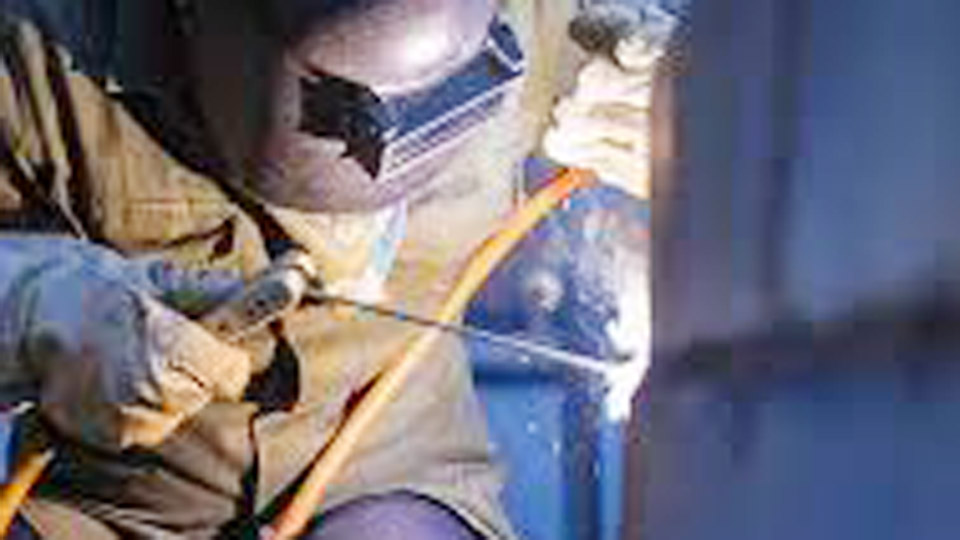
Image by trimax
Why Welding and Weld Inspection Actually Matter in Real Jobs
A good-looking weld can hide serious problems. I’ve seen beautiful TIG beads on aluminum that lacked proper penetration and failed during pressure testing. I’ve also seen ugly stick welds that held up for decades because the root pass fused correctly and the inspector knew what to look for.
Weld inspection isn’t just about cosmetics. It directly affects safety, structural integrity, distortion control, and your wallet. A failed weld on heavy equipment can cause downtime that costs thousands. On a home project, it might mean a gate that sags or a fire pit that falls apart after one season.
Proper inspection catches issues like lack of fusion, porosity, undercut, and cracks before they become expensive problems. When you combine solid welding technique with smart inspection habits, you reduce rework, pass code requirements more easily, and sleep better knowing your work will hold.
The Main Welding Processes: Which One Should You Use?
Every process has its place. Picking the wrong one wastes time and material.
SMAW (Shielded Metal Arc Welding / Stick Welding)
Stick welding remains the most versatile process in many shops, especially for field repairs and thick materials. It works in wind, on dirty steel, and in tight spaces where you can’t drag a gas bottle.
The electrode coating creates a shielding gas and leaves slag that protects the cooling weld. I prefer 7018 rods for structural steel because they offer good ductility and low hydrogen content. For quick repairs on mild steel, 6011 or 6013 get the job done fast.
Use SMAW when:
- You’re working outdoors
- Material is rusty or painted
- You need deep penetration on thick sections
- Portability matters more than speed
GMAW (Gas Metal Arc Welding / MIG Welding)
MIG is my go-to for production work and thinner materials. It’s fast, produces little slag, and beginners can learn it quicker than stick.
Short-circuit transfer works great on thin sheet metal. Spray transfer gives excellent penetration on thicker plates but requires higher voltage and amperage. I run 0.030″ or 0.035″ wire on most mild steel jobs. For aluminum, I switch to 0.035″ or 0.047″ and pure argon.
GTAW (Gas Tungsten Arc Welding / TIG Welding)
TIG gives you the most control and the cleanest welds. It’s essential for aluminum, stainless steel, and anything that needs to look perfect or pass strict inspections.
I use 2% thoriated or lanthanated tungsten for steel, and pure or zirconiated for aluminum. Filler rod selection is critical—match the base metal chemistry as closely as possible. On 6061 aluminum, I use 4043 filler. For 304 stainless, 308L works well.
Flux-Cored Arc Welding (FCAW)
Don’t overlook self-shielded flux-cored wire for outdoor structural work. It combines MIG speed with stick-like tolerance for wind and dirt. I run E71T-8 or E71T-11 wires on many jobs where gas MIG would struggle.
Understanding Welding Rods and Filler Metals
The electrode or filler metal is the heart of your weld. Get this wrong and nothing else matters.
Common SMAW Electrodes
- 6010/6011: Deep penetration, fast-freeze, great for root passes and dirty steel. Runs well on DC+ or AC.
- 6013: Easy to run, good for thin material and all positions. More forgiving for beginners.
- 7018: Low hydrogen, excellent mechanical properties. Keep these rods dry—moisture causes hydrogen cracking.
- 7024: High deposition rates for flat and horizontal fillets. Great for heavy plate.
Wire Selection for MIG and Flux-Cored
For mild steel, ER70S-6 handles rust and scale better than ER70S-3. On stainless, match the grade (308 for 304). Aluminum wires oxidize quickly, so buy smaller spools and store them properly.
I keep a chart taped inside my welding cabinet with recommended amperage ranges for every rod and wire diameter I use. It saves guessing when you’re in a hurry.
Dialing In Amperage, Voltage, and Travel Speed
Most beginners focus only on amperage. Experienced welders balance three variables: amperage, voltage (or arc length), and travel speed.
Typical Amperage Ranges (Mild Steel)
- 1/16″ 6013: 40-80 amps
- 3/32″ 7018: 70-120 amps
- 1/8″ 7018: 110-165 amps
- 5/32″ 7018: 150-220 amps
For MIG on 1/4″ mild steel with 0.035″ wire: 160-200 amps at 22-26 volts. Travel speed should create a weld puddle that’s about 3-4 times wider than the wire diameter for good penetration without excessive heat input.
Watch your puddle. If it’s too cold, you’ll get poor fusion and ropey beads. Too hot and you’ll burn through or create excessive distortion. I tell students to listen to the arc—each process has its own “sweet spot” sound.
Joint Preparation: The Step Most People Skip
Clean metal welds better. I’ve watched experienced welders grind a joint, then lay a perfect bead—only to have it fail inspection because they didn’t remove the mill scale properly.
Basic Joint Prep Rules:
- Remove rust, paint, oil, and mill scale down to bright metal.
- Use a 45-degree bevel on plates thicker than 1/4″ for proper penetration.
- Maintain consistent root opening (typically 1/16″ to 1/8″ depending on process).
- Use backing bars or ceramic tape on open root joints when needed.
On aluminum, I clean with a dedicated stainless brush and wipe with acetone immediately before welding. Stainless steel gets cleaned with a wire brush reserved only for stainless.
Welding Different Materials: Steel, Stainless, and Aluminum
Mild Steel
Forgiving and straightforward. Preheat isn’t usually needed unless sections are very thick or temperatures are below freezing.
Stainless Steel
Control heat input to prevent warping and sensitization. I use lower amperage settings and faster travel speeds than on mild steel. Back-purge with argon on pipe welds when possible.
Aluminum
The biggest challenge for many welders. Aluminum conducts heat quickly and has an oxide layer that melts at a much higher temperature than the base metal.
Use AC balance control on inverter machines—more cleaning action for dirty material, more penetration for thicker sections. Push the torch at a 10-15 degree angle and keep the filler rod in the leading edge of the puddle.
Visual Weld Inspection: What to Look For
Start with your eyes. A trained welder can catch most defects visually.
Key Things to Check:
- Profile: Convex is usually better for fillets. Concave can indicate lack of reinforcement.
- Undercut: A groove melted into the base metal along the toe. Reduce amperage or adjust angle.
- Porosity: Small holes in the weld. Check for wind, dirty material, or moisture.
- Cracks: The most serious defect. Stop welding immediately and determine the cause.
- Incomplete Fusion: Where the weld metal didn’t fuse with the base metal or previous pass.
Use a fillet weld gauge to check leg size and throat dimension. Many shops require 1/4″ fillets to actually measure 1/4″ on both legs.
Non-Destructive Testing Methods Used in Shops
Visual testing (VT) is the foundation, but sometimes you need more.
Dye Penetrant Testing (PT)
Great for surface-breaking defects on non-porous materials. Clean the part, apply penetrant, wait, remove excess, then apply developer. Cracks show up as red lines.
Magnetic Particle Testing (MT)
Works on ferromagnetic materials. I use it regularly on structural steel repairs. The magnetic field reveals discontinuities when you apply the particles.
Ultrasonic Testing (UT)
Excellent for finding subsurface defects. Modern portable units give clear readings and can measure thickness too.
I’ve used all these methods in different shops. Each has its place depending on the code requirements and criticality of the weld.
Common Welding Mistakes and How to Fix Them
Beginner Mistakes:
- Moving too fast (cold welds, poor fusion)
- Moving too slow (burn-through, excessive distortion)
- Incorrect electrode angle
- Poor work angle on fillets
Experienced Welder Pitfalls:
- Not accounting for material expansion and contraction
- Using the wrong shielding gas mixture
- Skipping proper interpass cleaning
- Over-welding (adding more metal than necessary)
Distortion control is an art. I use clamps, strongbacks, back-stepping techniques, and sometimes preheating or peening to manage it.
Step-by-Step: Making a Strong Fillet Weld
- Clean the joint thoroughly.
- Tack weld both ends and check alignment.
- Set machine parameters based on material thickness.
- Strike your arc (or pull the trigger) and establish the puddle.
- Move at a consistent speed while maintaining the correct work angle (usually 45° for equal leg fillets).
- Watch the puddle edges for good tie-in.
- Clean between passes if doing multiple passes.
- Inspect while still warm—some defects are easier to see then.
Safety Practices Every Welder Should Follow
I’ve seen too many guys lose eyesight or get burned because they got complacent.
Always wear proper shade lenses (10-13 for most processes). Keep your skin covered—UV rays cause “welder’s flash” and skin cancer. Use leather sleeves and gloves. Ensure proper ventilation, especially when welding galvanized material or coatings that produce toxic fumes.
Keep your workspace organized. Tripping over cables while holding a hot piece is a fast way to get hurt.
Building Inspection Habits Into Your Workflow
The best welders inspect as they go. After each pass, I quickly check for defects before laying the next one. This prevents having to grind out multiple layers later.
Document your settings and observations, especially on critical jobs. If something fails later, you’ll have data to figure out what happened.
Taking Your Welding Skills to the Next Level
After twenty-plus years in the trade, I can tell you the welders who improve fastest are the ones who study their failures as much as their successes. Every cracked weld, every rejected part, and every inspection failure teaches you something if you’re willing to listen.
Practice on scrap. Cut your test coupons apart to see penetration. Ask experienced welders to critique your work. Take classes or certifications seriously—they force you to learn proper procedures.
Final Pro Tip: The best welders I know follow this simple rule—weld it like your family’s life depends on it passing inspection. Because on some jobs, it actually might.
FAQ
How do I know if my amperage is too high or too low?
Look at the puddle and the finished bead. Too high: wide, flat, possibly burned through with undercut. Too low: narrow, ropey bead with poor penetration and fusion. The arc should sound steady and consistent, not popping or sputtering.
What’s the best way to prevent porosity in my welds?
Clean the material, check your gas flow (25-35 CFH for MIG), eliminate drafts, and make sure your wire or rods are dry and not contaminated. On stick welding, store low-hydrogen rods in a rod oven.
Should I grind my welds or leave them as-is?
Depends on the application. Structural welds often look better and perform better when left with proper profile. Aesthetic jobs or code requirements may need grinding. Never grind so much that you reduce the throat dimension below specification.
How important is preheating on thick steel?
Very important above 1 inch thickness or when ambient temperatures are low. Preheating slows cooling rates and reduces the chance of hydrogen cracking. Use temp sticks or infrared thermometers to verify temperature.
What’s the biggest difference between welding steel and aluminum?
Aluminum requires completely different technique and much more attention to cleanliness. It also distorts more easily and needs careful heat management. Many welders who are excellent on steel struggle when they first switch to aluminum until they master the rhythm.
This guide gives you the foundation. Now it’s time to get in the shop, practice deliberately, and inspect your work honestly. The welds you make tomorrow will be better than the ones you made yesterday if you apply what you’ve learned here. Keep your helmet down and your standards high.


