Standing in the shop with both a torch set and an arc welder nearby can make the choice feel harder than it should be. One runs on a steady flame you can see and control, the other fires up an electric arc that melts metal fast and deep.
That’s where understanding What Is the Difference Between Gas Welding and Arc Welding becomes more than theory—it directly affects how clean your weld turns out and how efficiently you get the job done.
I’ve switched between the two depending on the material, thickness, and job conditions. Gas welding gives you more control on thinner metals and repair work, while arc welding is often the go-to for strength and speed on heavier sections. But picking the wrong one can lead to weak joints, excess heat damage, or wasted time fixing mistakes.
That’s why this comparison matters. Knowing when to use each process can improve weld quality, save costs, and make your work safer and more consistent. I’ll break down the key differences in a practical, hands-on way so you can choose the right method with confidence.
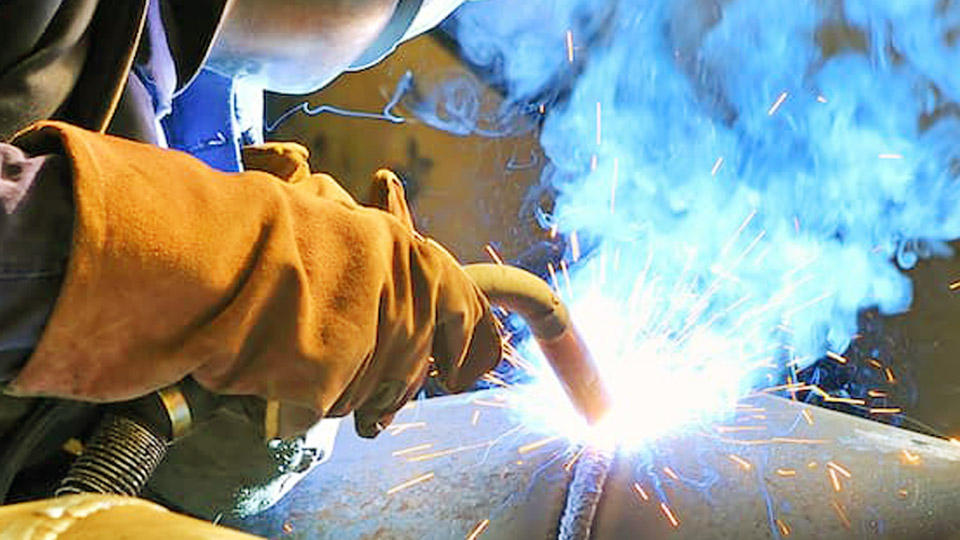
Image by adamsgas
Why Shielding Gas Matters More Than Most Welders Realize
When you strike an arc in MIG welding, the wire melts into a puddle that fuses with the base metal. That puddle sits at thousands of degrees and stays liquid long enough for atmospheric gases to sneak in.
Oxygen oxidizes the metal, nitrogen creates brittle compounds, and hydrogen leads to cracking—especially on higher-strength steels.
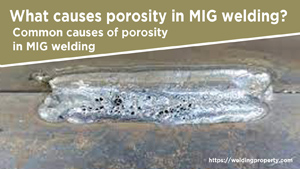
The shielding gas displaces those elements. It flows out of your MIG gun nozzle and forms a protective envelope around the arc and puddle. In practice, this means fewer holes (porosity), smoother arc starts, less cleanup from spatter, and better mechanical properties in the finished weld.
I’ve welded mild steel frames where a good gas mix gave me flat, shiny beads with great tie-in. Switch to the wrong gas or let wind hit it, and suddenly the bead looks porous and the joint fails a simple bend test.
On repair jobs—like fixing rusted truck beds or fabricating brackets—proper shielding gas cuts my post-weld grinding time in half and keeps distortion down because the heat input stays more controlled.
Safety plays in here too. Poor shielding can lead to inclusions or weak spots that fail under load. In a professional shop or even a serious home setup, that risk isn’t worth it. Plus, good gas practices save money on wire, time, and gas itself.
How Shielding Gas Actually Works in the MIG Process
MIG stands for Metal Inert Gas, though we often use active gases too. The wire feeds continuously through the gun while voltage and amperage create the arc. Shielding gas comes through the same gun, exiting the nozzle to surround everything.
Inert gases like pure argon don’t react chemically—they just push air away. Active gases like carbon dioxide (CO2) break down in the arc heat, releasing energy that affects the puddle. This influences metal transfer modes: short circuit for thin material, globular, or spray for thicker stuff.
The gas stabilizes the arc by controlling how electrons flow and how the molten droplets transfer from wire to puddle. It also tweaks surface tension in the puddle, so the weld wets out better or penetrates deeper depending on the mix.
From my experience, the gas doesn’t just “protect”—it actively changes the weld. A high-argon mix gives a softer, more fluid puddle with less spatter. More CO2 adds heat and aggression for digging into dirty or thicker metal, but it kicks up spatter that you have to chip off later.
Common Shielding Gas Types and When I’ve Used Each
Over the years, I’ve settled on a few reliable options that cover most jobs in American shops.
For mild steel—the bread and butter of DIY and fab work—75% argon / 25% CO2 (often called C25) is my go-to. It balances arc stability, penetration, and low spatter. On a Millermatic or similar machine, it runs smooth in short circuit mode for 1/8″ material and transitions nicely into spray for thicker plates. Beads come out flat with good sidewall fusion, and cleanup is minimal.
100% CO2 is the budget choice. It’s cheap and gives deep penetration, great for thick sections or when you’re welding outdoors on less critical parts. The downside? More spatter and a harsher arc that can burn through thin metal faster. I use it when gas costs matter and the weld will get painted over anyway.
For stainless steel, a tri-mix (typically 90% argon, 7-8% CO2, and a bit of oxygen or helium) keeps corrosion resistance intact while giving nice wetting. Pure argon alone on stainless can cause lack of fusion on some joints. I’ve used tri-mix on food-grade or exhaust repairs where appearance and strength both count.
Aluminum demands 100% argon. Any CO2 will oxidize the material and ruin the weld. The arc stays clean, and the puddle flows nicely without the black soot you sometimes see with mixed gases. On thinner aluminum like 1/8″ sheet for panels or tanks, it prevents burn-through when dialed right.
Helium blends show up on thicker aluminum or when you need more heat and penetration without cranking amperage. They cost more, so I reserve them for specific jobs where travel speed or heat input is critical.
Shielding Gas vs. Flux-Cored Wire: Real-World Trade-offs
Many hobbyists and pros ask whether they even need gas. Self-shielded flux-cored wire skips the bottle entirely—the flux inside the wire creates its own protection. It’s portable and forgiving in wind, which makes it popular for field repairs or farm equipment.
But in the shop with solid wire and gas, I get cleaner welds, less smoke, easier slag removal (none, really), and better control on thin material. Gas-shielded flux-cored exists too, combining both for all-position work on thick steel, but it still needs gas.
Here’s a quick comparison I’ve lived with:
Solid wire + shielding gas: Smoother arc, less spatter, excellent on clean metal, thinner gauges, better appearance. Requires wind protection outdoors.
Self-shielded flux-cored: No gas needed, works in breeze, good penetration on dirty/rusty steel, more smoke and slag to clean. Can be harsher on machines and produces more fumes.
For most indoor fab or repair on mild steel, I reach for solid wire and C25 gas first. It just looks and performs better when the job needs to pass inspection or look professional.
Choosing the Right Gas Flow Rate and Settings
Flow rate is where a lot of welders—beginners and experienced—go wrong. Too little, and you get porosity. Too much, and turbulence sucks air right into the puddle, causing the same defects.
In a still shop, start at 15-20 cubic feet per hour (CFH) for most mild steel work with a standard 1/2″ nozzle. For aluminum, bump it to 20-30 CFH because the puddle needs more coverage. Outdoors or with any draft, go 25-35 CFH and use a windscreen if possible.
I always test flow at the nozzle with a meter, not just the regulator gauge. Hoses leak, O-rings wear, and liners clog. Open the tank valve fully—those double-seated valves leak if cracked open. Set your regulator, then purge the gun for a few seconds before striking an arc.
On my machines, I pair gas settings with wire speed and voltage. For 0.030″ wire on mild steel with C25:
- Thin material (under 1/8″): Lower voltage, moderate wire speed, 15 CFH.
- Thicker (1/4″+): Higher settings for spray transfer, 20-25 CFH.
Watch the puddle. A good shield shows a clean, shiny bead with no pinholes at the toes. If you see black soot or random holes, check gas first.
Step-by-Step: Setting Up Shielding Gas on a Typical MIG Welder
- Secure the cylinder upright and chain it—never lay it down.
- Install the regulator/flowmeter. Use the right adapter for your gas (argon mixes vs. pure CO2 have different threads sometimes).
- Crack the tank valve slowly to purge dust, then open fully.
- Attach the hose to your welder’s gas solenoid.
- Set flow to your starting point (15-20 CFH indoors).
- Trigger the gun without wire to check flow and listen for leaks.
- Prep your joint: Clean metal is still king, even with good gas. Remove mill scale, rust, oil.
- Dial in voltage and wire speed per your machine’s chart or your experience.
- Weld a test coupon. Look for smooth arc, minimal spatter, and no porosity.
- Adjust flow up or down in small steps if needed.
I’ve taught this sequence to plenty of trainees. It takes five minutes but saves hours of grinding bad welds.
Material-Specific Tips and Machine Settings
Mild Steel
C25 or 100% CO2. 0.030″ or 0.035″ wire works for most home/shop machines. Amperage range depends on thickness—roughly 100-200A for common jobs. Clean to bright metal. Joint prep with a 60-70° bevel on thicker plates for good penetration.
Stainless
Tri-mix preferred. Lower heat to avoid warping and carbide precipitation. Use 0.035″ wire often. Back-purge critical joints if possible for full protection.
Aluminum
100% argon, push technique (forehand), 0.030″ or 0.035″ wire. Higher flow rates. Clean with a stainless brush dedicated to aluminum only—contamination kills welds fast.
For all materials, watch electrode stick-out: 3/8″ to 1/2″ is ideal. Too long, and gas coverage drops. Too short, and you risk burn-back.
Common Mistakes I’ve Seen (and Fixed) in the Shop
Beginners often crank gas to 40+ CFH thinking more is better. That creates turbulence and pulls in air—porosity city. Pros sometimes get lazy with hose checks after moving equipment, leading to mystery defects.
Using pure argon on steel is another classic. The arc wanders, penetration suffers, and the puddle doesn’t wet out. Or running CO2 on aluminum— instant oxidation and ugly, weak welds.
Forgetting to change gas when switching materials is expensive and frustrating. I label my bottles now.
Wind is the silent killer outdoors. Even a light breeze can ruin a long bead. Build a simple shield or move inside when possible.
Dirty base metal amplifies gas problems. Gas can’t fix oil, paint, or heavy rust. Grind or wire-brush first.
Pros and Cons of Different Shielding Gas Options
75/25 Argon/CO2:
- Pros: Stable arc, low spatter, versatile, good penetration and appearance.
- Cons: More expensive than pure CO2.
100% CO2:
- Pros: Cheap, deep penetration, good for thick material.
- Cons: Higher spatter, rougher arc, more cleanup.
100% Argon:
- Pros: Clean for aluminum, stable.
- Cons: Poor on steel (lack of fusion), expensive for volume use.
Tri-mix for Stainless:
- Pros: Excellent corrosion resistance, nice bead.
- Cons: Costlier, overkill for mild steel.
Pick based on your most common work, not just price. In my experience, the right gas pays for itself in time saved and quality gained.
Joint Preparation and Filler Metal Compatibility
Shielding gas works best on clean joints. For butt welds, gap slightly for penetration. Fillets need good fit-up—gas won’t bridge big gaps magically.
Match filler wire to base metal: ER70S-6 for mild steel with C25 gives good deoxidizing. ER308 for stainless. ER4043 or 5356 for aluminum depending on alloy.
Amperage ranges are guidelines—test on scrap. A 0.030″ wire might run 50-150A comfortably on many 110/220V machines common in US garages.
Safety Considerations Every Welder Should Follow
Shielding gas cylinders are under high pressure. Secure them, use caps when moving, and never weld near flammables without checking.
Fumes from the arc still exist—use ventilation. Argon and CO2 displace oxygen, so work in well-ventilated areas, especially in confined spaces.
Wear proper PPE: helmet, gloves, jacket. Gas itself isn’t toxic in normal use, but poor welds from bad shielding can fail catastrophically later.
Practical Takeaways for Better MIG Welds
After hundreds of hours pulling the trigger, here’s what I know: shielding gas isn’t an afterthought—it’s core to the process. It protects, stabilizes, and enhances everything from arc behavior to final strength.
You’ve got the protection basics, gas choices for common materials, flow settings that actually work in real shops, and fixes for the mistakes that waste time and money.
Whether you’re a student learning on a school machine, a hobbyist building a trailer, or a pro knocking out repairs, dialing in your gas will level up your welds immediately.
One pro-level tip I’d give any welder: Always do a gas purge and a quick test bead on scrap before the real joint—especially after moving your setup or changing bottles. That 30-second habit has saved me more rework than anything else.
Final Thoughts
Mastering what shielding gas does in MIG welding turns good welds into great ones. It’s one of those shop fundamentals that separates consistent results from constant troubleshooting.
Grab your regulator, check your connections, and go make some clean beads. Your projects—and your back from less grinding—will thank you.
FAQ
What happens if I run out of shielding gas mid-weld?
The arc will continue, but your puddle immediately picks up contaminants. You’ll see heavy spatter, porosity, and a dirty-looking bead. Stop, replace the bottle, purge the line, and grind out the contaminated section before continuing. It’s not worth leaving it in.
Can I use the same gas for MIG and TIG?
Sometimes, but not always ideal. Pure argon works for both aluminum MIG and TIG. For steel MIG, the argon/CO2 mix won’t suit TIG well—TIG on steel usually prefers pure argon or argon/helium. Keep dedicated bottles if you switch processes often.
How do I know if my gas flow is too high or too low?
Too low: porosity, holes, or black oxidation at the bead edges. Too high: turbulence that causes porosity anyway, plus wasted gas and a noisy, unstable arc. Listen and watch—good flow is quiet with a smooth, shiny puddle. Test and adjust in 5 CFH steps.
Is shielding gas necessary for all MIG welding?
For solid wire, yes. Flux-cored (self-shielded) skips it, but solid wire MIG without gas produces unusable, porous welds. Gas-shielded flux-cored still needs gas for best results.
What’s the best gas for outdoor MIG welding?
Pure CO2 handles light wind better than mixes, but even then, use a windscreen or enclosure. For critical work, move indoors or switch to self-shielded flux-cored if gas coverage keeps failing.