
Standing in the shop with both a torch set and an arc welder nearby can make the choice feel harder than it should be. One runs on a steady flame you can see and control, the other fires up an electric arc that melts metal fast and deep.
That’s where understanding What Is the Difference Between Gas Welding and Arc Welding becomes more than theory—it directly affects how clean your weld turns out and how efficiently you get the job done.
I’ve switched between the two depending on the material, thickness, and job conditions. Gas welding gives you more control on thinner metals and repair work, while arc welding is often the go-to for strength and speed on heavier sections. But picking the wrong one can lead to weak joints, excess heat damage, or wasted time fixing mistakes.
That’s why this comparison matters. Knowing when to use each process can improve weld quality, save costs, and make your work safer and more consistent. In this guide, I’ll break down the key differences in a practical, hands-on way so you can choose the right method with confidence.
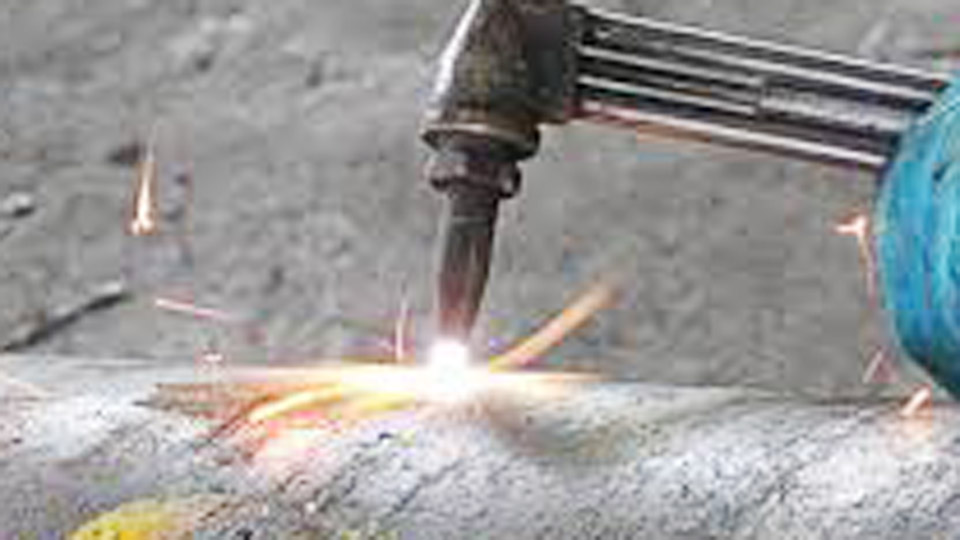
Image by arccaptain
What Is Gas Welding and How Does It Work?
Gas welding, often called oxy-fuel or oxy-acetylene welding, generates heat by combusting a fuel gas (typically acetylene) with pure oxygen. The flame reaches about 3,500–5,700°F at the inner cone—hot enough to melt most common metals but far lower than an electric arc.
You mix the gases in a torch handle. Acetylene provides the fuel, oxygen supports combustion. Adjust the valves until you get a neutral flame: a sharp inner cone with a feathery outer envelope.
That neutral flame minimizes oxidation while delivering concentrated heat. For welding, you melt the base metal edges and often add a filler rod manually into the puddle.
The process feels slower and more deliberate. You control the puddle with the torch angle and travel speed. No electricity means it works anywhere—out in a field, on a farm, or in a shop without heavy power service. Many old-school mechanics still reach for the torch for exhaust work, sheet metal patches, or brazing cast iron.
When and Why to Use Gas Welding
Use gas welding for thin materials (under 1/8 inch), non-ferrous metals like copper or brass, or when you need low heat input to limit distortion. It’s excellent for brazing, soldering, heating for bending, and cutting with a separate cutting attachment.
In repair shops, it’s portable—no cords, just tanks on a cart. For hobbyists building custom motorcycle frames or restoring vintage cars, the torch lets you work slowly and precisely without burning through thin tubing.
It also handles dissimilar metals better in some cases and requires less expensive initial setup if you already have tanks. However, it’s slower for production and produces a wider heat-affected zone, which can cause more warping on larger pieces.
Practical Tips for Gas Welding
Start with clean metal—grind or wire-brush away rust, paint, and mill scale. Joint prep is critical; tight fit-ups work best because filler addition is manual. Use the right tip size for your material thickness. For 1/16-inch steel, a #00 or #0 tip with low pressures (around 5-7 psi acetylene, 5-10 psi oxygen) keeps things controlled.
Common beginner mistake: running too much acetylene, creating a carburizing flame that adds carbon and makes the weld brittle. Watch the flame color and adjust to neutral. Another pitfall is leaving the torch lit while setting it down—always shut off and purge hoses. For filler, match the rod to the base metal; mild steel rods like RG-45 work for most carbon steel.
Safety first: secure cylinders upright, use flash arrestors and check valves, never use oil on regulators (it can ignite explosively with oxygen), and keep a fire extinguisher handy. Wear shade 4-5 goggles, not a full welding helmet unless cutting. In my experience, flashbacks happen when tips clog or pressures are wrong—listen for popping and shut down immediately.
What Is Arc Welding and How Does It Work?
Arc welding encompasses several processes that use electricity to strike an arc between an electrode and the workpiece. The arc generates temperatures over 6,000°F—sometimes much higher—melting base metal and filler quickly. Common types include:
- SMAW (Shielded Metal Arc Welding or Stick): Consumable coated electrode.
- GMAW (Gas Metal Arc Welding or MIG): Continuous wire with shielding gas.
- GTAW (Gas Tungsten Arc Welding or TIG): Non-consumable tungsten with separate filler and gas.
- FCAW (Flux-Cored Arc Welding): Similar to MIG but with flux inside the wire.
In all cases, the arc creates a molten puddle protected by slag (stick/flux-cored) or shielding gas (MIG/TIG). The power source—AC or DC, constant current or voltage—controls heat. Stick and flux-cored handle dirty or outdoor conditions well because the flux provides its own shielding.
When and Why to Use Arc Welding
Arc welding excels on thicker materials (1/8 inch and up), structural steel, pipelines, heavy fabrication, and high-production environments. It offers deeper penetration, faster travel speeds, and stronger joints under load. In US shops, MIG dominates auto and sheet metal work for its speed and cleanliness.
Stick is the go-to for field repairs, construction, and when power is available but conditions are rough—wind, rain, rusty steel. TIG delivers the cleanest, most precise welds on stainless, aluminum, or critical repairs.
Why choose it? Higher productivity, better mechanical properties in many cases, and versatility across metals when you match the process. For professional welders, arc processes mean less time per foot of weld and fewer passes on thick plate.
Practical Tips for Arc Welding
Joint preparation matters as much as settings. Bevel thick plates for full penetration. Clean to bright metal. For stick, store rods dry—7018 especially hates moisture and will cause porosity.
Amperage is your main control. A good rule of thumb for stick: about 1 amp per 0.001 inch of electrode diameter as a starting point, then adjust. For example:
- 3/32″ E6010 or E6011: 40–90 amps
- 1/8″ E6013: 75–130 amps
- 1/8″ E7018: 90–150 amps (depending on position and manufacturer)
Run DC electrode positive (DCEP) for most rods for better penetration. On a typical Lincoln or Miller machine common in US shops, dial in the amps, strike the arc with a scratch or tap motion, and maintain a short arc length—about the diameter of the rod. Travel speed should keep the puddle fluid but not running ahead.
Common mistakes: too much amperage burns through or creates undercut; too little causes lack of fusion and slag inclusions. Beginners often whip the rod instead of dragging or using a slight weave. Pros keep a consistent puddle and watch the slag trail.
For MIG, voltage and wire speed (which correlates to amperage) need balancing. On 0.030″ wire for mild steel, 18–22 volts and 200–300 ipm wire speed handles most 1/8–1/4″ material. Use 75/25 argon/CO2 for spray transfer on thicker stuff or short-circuit for thin.
Safety: full helmet with proper shade (10–13 depending on process and amperage), leather gloves, jacket, and boots. Arc flash is no joke—UV rays burn skin and eyes even from a distance. Ground properly to avoid stray arcs.
Gas Welding vs Arc Welding: Head-to-Head Comparison
Here’s a practical side-by-side that reflects what I’ve seen in shops:
Heat Source and Temperature
Gas: Chemical flame, ~3,500–5,700°F.
Arc: Electric arc, 6,000°F+. Deeper, faster melting.
Penetration and Strength
Gas: Shallower penetration, wider bead, good for thin stock but more distortion.
Arc: Excellent penetration, stronger fusion on thick material, better for load-bearing joints.
Speed and Productivity
Gas: Slower, manual filler addition.
Arc: Much faster, especially MIG and flux-cored. Ideal for production.
Portability and Power Needs
Gas: Highly portable, no electricity required beyond lighting. Tanks are heavy but work anywhere.
Arc: Needs reliable power source. Stick and engine-driven units handle remote sites.
Cost
Gas: Lower upfront for basic torch set, but ongoing gas costs. Cylinders need refills and certification.
Arc: Welder cost varies (cheap stick machines under $300), electrodes or wire cheaper long-term for volume work.
Material Suitability
Gas: Thin steel, copper, brass, aluminum (with care), brazing.
Arc: Wide range—steel, stainless, aluminum (TIG/MIG), cast iron (with proper rods). Handles thicker sections easily.
Skill Level and Learning Curve
Gas: More forgiving for beginners on thin material; torch control takes practice.
Arc: Stick has a steeper curve (arc control, slag management); MIG is easiest entry point.
Common Shop Applications
Gas: Auto body patches, exhaust fabrication, farm equipment repairs, jewelry-scale work, heating/bending.
Arc: Structural beams, pipe welding, trailer builds, heavy equipment repair, manufacturing.
In practice, many shops keep both. Torch for cutting, brazing, and delicate work; arc for the heavy lifting.
Pros and Cons at a Glance
Gas Welding Pros: Portable, versatile for heating/cutting/brazing, lower heat input option for thin metals, no electrical hazards.
Cons: Slower, higher gas costs over time, limited penetration on thick material, wider HAZ, requires careful gas handling.
Arc Welding Pros: Faster, deeper penetration, stronger welds, cost-effective consumables, multiple processes for different needs, handles dirty/outdoor conditions (stick/FCAW).
Cons: Needs power, more spatter/slag cleanup (stick), higher initial equipment cost for MIG/TIG, arc flash and electrical safety concerns.
Step-by-Step: Deciding and Setting Up for a Typical Job
Imagine repairing a cracked mild steel bracket on farm equipment—1/4-inch thick, outdoors.
- Assess the job: Thickness, location, access, material condition.
- If no power nearby and light repair: Grab the torch, bevel edges slightly, use neutral flame, add RG-45 rod.
- If power available: Fire up the stick welder with 1/8″ 7018 or 6010. Clean the area, set 110–140 amps DCEP.
- Prep: Grind clean, clamp securely to control distortion.
- Weld: Multiple passes if needed, peen between passes for stress relief.
- Inspect: Look for cracks, undercut, or porosity. Grind and reweld if necessary.
For thin auto body sheet (18–22 gauge): Gas or MIG with short-circuit transfer to avoid burn-through.
Common Mistakes Beginners and Pros Make
Beginners with gas often create oxidizing flames that cause porosity or use oversized tips that overheat the metal. With arc, they run rods too wet, hold too long an arc, or ignore polarity.
Pros slip up under time pressure—rushing travel speed on stick causes wagon tracks (slag trapped in center), or forgetting to purge TIG lines on stainless leads to sugaring. Another frequent one: mismatched filler. Using mild steel rod on stainless will corrode later.
Always test settings on scrap. Watch the puddle, not the arc. And never skip post-weld cleanup—slag or oxide left behind hides defects.
Material Compatibility, Filler Metals, and Joint Prep Advice
Match filler to base metal chemistry and strength. For mild steel, E6010 for root passes (deep penetration, all positions), E7018 for fill and cap (low hydrogen, tough welds). Gas welding rods are usually bare—RG-60 for higher strength.
Joint prep: Open V or U grooves on thick plate (60–70° included angle). Root gap 1/16–1/8″ depending on process. Tack welds every few inches, staggered to control shrinkage.
On aluminum or stainless, cleanliness is non-negotiable—dedicated brushes and solvents prevent contamination. Arc processes (TIG especially) handle these better than gas for most structural work.
Safety Considerations for Both Processes
Treat both with respect. For gas: flashback arrestors, proper hose colors (red acetylene, green oxygen), never exceed 15 psi acetylene, secure tanks, no smoking near leaks. Check for leaks with soapy water.
For arc: proper grounding, dry conditions for electrical safety, ventilation for fumes (especially galvanized or painted metal), and full PPE. Both produce intense light and heat—protect skin and eyes. In confined spaces, monitor for gas buildup or oxygen displacement.
US shops follow OSHA guidelines: hot work permits, fire watches, and proper storage. I’ve seen preventable fires from overlooked embers in gas work and arc flash incidents from improper PPE.
Real-World Examples from US Shops
On a trailer build in a Midwest fab shop, we used MIG for long fillet welds on 3/16″ tubing—fast, clean, minimal distortion with proper sequencing. For field repair of a cracked loader bucket, stick with 7018 saved the day—no need to haul the piece back.
A restoration guy I know still gas-welds thin sheet on classic cars because he can feather the heat perfectly without a foot pedal. In pipeline work, stick or flux-cored rules for outdoor, windy conditions where gas shielding would blow away.
Choosing the Right Process for Your Shop or Project
Evaluate power availability, material thickness, required strength, budget, and skill level. Many hobbyists start with a cheap stick welder and a basic torch set. As you grow, add MIG for speed. Keep the torch for versatility—it pays for itself on cutting and brazing alone.
Test both on your typical jobs. Time a few feet of weld, measure distortion, and break-test samples if possible. Experience will tell you faster than any chart.
After years of switching between the two, I’ve learned that the “best” process is the one that gets the job done right the first time with the tools and conditions you have.
Gas welding gives you control and portability where electricity isn’t practical. Arc welding delivers speed, strength, and efficiency for demanding fabrication and repair.
The key takeaway
Understand the strengths of each so you reach for the right one instead of forcing a compromise. Clean metal, proper settings, and steady hands beat fancy equipment every time.
One pro-level tip I’d give any welder—whether DIY or in the trade: always run a test coupon with your exact settings, material, and position before the real weld. It takes two minutes and saves hours of grinding out bad beads or, worse, a failed inspection.
FAQ
Can I use gas welding for thick structural steel?
Not ideally. The lower temperature and wider heat zone make it slow and prone to distortion on anything over 1/4 inch. Switch to stick or MIG for better penetration and efficiency on structural work.
What’s the easiest arc process for a beginner hobbyist?
MIG (GMAW) is usually the most forgiving—continuous wire, less arc control needed than stick. Start with 0.030″ wire and practice short-circuit transfer on scrap. Stick teaches fundamentals but has a steeper learning curve with slag and arc length.
How do I prevent porosity in gas welding?
Use a neutral flame, clean the metal thoroughly, and keep the filler rod in the outer flame envelope to preheat it. Avoid drafts that disturb the shielding envelope. Proper tip size and pressures help too.
Is arc welding always stronger than gas welding?
Generally yes for thicker materials due to deeper fusion. A well-done gas weld on thin stock can be very strong, but arc processes usually produce joints with better mechanical properties under high stress or impact.
Do I need special training or certification to use either process safely?
For professional or code work, yes—AWS or similar certifications. For hobby or personal projects, hands-on practice under guidance plus manufacturer safety guidelines are essential. Never skip learning proper setup and emergency procedures for gases or electricity.


