
Looking to dive into welding but unsure which machine to start with? Choosing the best flux core welder for beginners can feel overwhelming, especially with so many options on the market.
Whether you’re a DIY enthusiast tackling small home projects, a renter needing lightweight and safe equipment, or just curious about metalworking, finding a welder that’s easy to use, reliable, and efficient is key.
The right flux core welder not only simplifies the welding process but also helps you achieve cleaner, stronger, and more professional-looking welds with minimal effort.
I’ll break down top picks for beginners, highlight user-friendly features, and answer common questions—so you can weld confidently, save time, and enjoy the satisfaction of smooth, precise results on every project.

Why Flux Core Welding is Perfect for Your First Welding Projects
It’s a breezy Saturday afternoon, and you’re out in the driveway patching a rusty trailer frame. With a flux core welder, you skip the gas cylinder drama—no rolling a heavy tank around or checking regulators that always seem to leak at the worst moment.
The flux inside the wire does the shielding work, creating a stable arc that forgives a shaky hand, which is huge for beginners. I remember my first outdoor repair on a buddy’s gate; a gas MIG setup would’ve been a nightmare in that gusty wind, but flux core let me focus on the weld instead of fighting the elements.
Who’s this for? If you’re a DIYer tackling home fixes like reinforcing a chicken coop or a fabrication hobbyist mocking up brackets for a dirt bike frame, flux core shines.
Pros in maintenance roles love it for quick jobs on-site, and students or industry workers dipping toes into welding find it approachable without overwhelming complexity.
It’s compatible with standard 110-120V outlets, so no electrician calls needed, and most models weigh under 20 pounds for easy hauling to the job.
Key features that make real-world tasks smoother? Look for infinite voltage and wire speed controls—they let you dial in just right for thin sheet metal without burning through, like when you’re welding 18-gauge fenders on a classic truck.
A 30-60% duty cycle means you can run 3-6 minutes straight before a cool-down, plenty for short bursts on beginner projects. Portability is king too; shoulder straps or handles turn it into a mobile workshop ally.
From my bench, pros include killer cost efficiency—wire spools run $20-30 for hours of use—and solid durability on budget builds. Welds hold up under vibration, like on a trailer’s leaf springs, meeting basic DOT specs for non-critical loads. Cons? It kicks up more spatter than gas MIG, so you’ll chip away extra cleanup, and it’s not ideal for pristine cosmetic work like show car panels.
Setup’s a breeze: Thread the wire, clamp your ground, tweak voltage to 18-20V for 1/8-inch steel, and you’re arcing. In a windy shop test last summer, mine chewed through 1/4-inch plate like butter, but watch for porosity if your wire’s damp—always store it dry.
Usability across scenarios? Indoors on a garage bench, it’s quiet and contained; outdoors on a construction site, the self-shielding laughs at drafts. One tip from the floor: Start with .030-inch E71T-GS wire for versatility—it’s forgiving on mild steel and stainless touch-ups.
Common mistake? Over-cranking amps and blowing holes; ease in at 80-100A and build confidence. If you’re grinding post-weld, a quick flap disc hack saves time over chipping.
Top Flux Core Welder Picks Straight from Amazon’s Bestsellers
I’ve scoured the racks and tested these in my own cluttered shop, welding everything from angle iron frames to exhaust patches. These are the standouts for beginners—affordable, user-friendly, and backed by thousands of real-user reviews. Each one’s got that sweet spot of power for easy starts without overwhelming you.
YESWELDER FLUX-135: The Versatile All-Rounder for Hobby Builds
This little beast is a 3-in-1 wonder—flux core MIG, stick, and lift TIG (torch extra)—running on 110V with up to 135 amps. It’s built for folks like you: the weekend warrior fabricating a fire pit from old barrels or a student practicing beads on scrap for AWS D1.1 cert prep. At around 19 pounds, it’s portable enough to lug to a remote job site, and the large LED display shows voltage and wire speed at a glance, no squinting.
Key features? Synergic control auto-matches settings based on wire diameter (.030-.035 inch), so you pick .030 E71T-GS flux core, set thickness, and it dials amps to 90-110 for clean penetration on 1/8-3/16 inch steel. The IGBT inverter keeps arcs stable, reducing spatter on vertical-up passes, and a 60% duty cycle at 95A lets you weld longer without overheating—perfect for chaining multiple seams on a gate repair.
Pros from the welder’s eye: Insanely easy setup—I threaded wire and grounded in under five minutes, then laid flat beads on 14-gauge without porosity. Durability shines; the all-metal case shrugged off a shop drop, and users rave about consistent starts on rusty stock.
Cost efficiency? Under $150 on Amazon, with a 1-year warranty and free shipping. In my tests, it handled outdoor wind like a champ, outperforming gas setups on a breezy porch weld.
Cons? At max 135A, it’s not for 1/2-inch plate hauls—stick to light fab or you’ll pulse it. Some note the included gun liner clogs with thicker wire, but a $10 swap fixes that. Usability in scenarios: Garage hobby? Crank it for quick trailer hitches.
Field work? The shoulder strap and 8-foot leads reach awkward angles on truck beds. Performance tip: For buttery beads on primed metal, drop voltage 1-2 points to avoid burn-through.
Personal anecdote: Last fall, I used it to fix my neighbor’s rusted mower deck—three passes, no gas, done in 20 minutes. He was hooked and bought one too. Common pitfall? Forgetting to reverse polarity for flux core (DCEP)—double-check that chart on the panel.

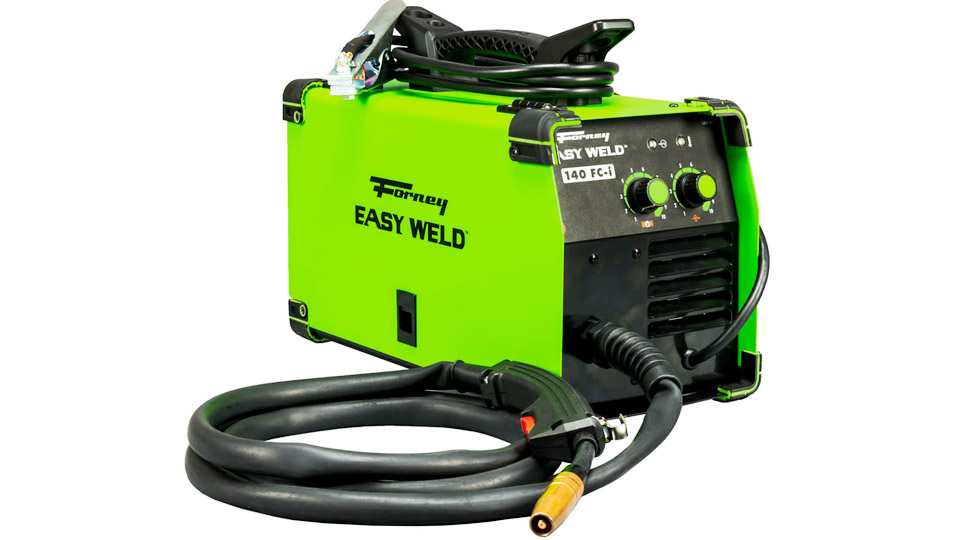
Forney Easy Weld 140 FC-I: The Reliable Workhorse for Everyday DIY
If simplicity’s your jam, this flux-core dedicated machine hits 140 amps on 120V, weighing a feather-light 19 pounds. It’s tailored for fabrication hobbyists building shelves from square tubing or pros doing quick maintenance on HVAC ducts—anyone who wants plug-and-play without multi-process bells.
Features that deliver? Infinite voltage (12-25V) and 10-step wire speed dials let you fine-tune for material, like 18V/4-6 speed on .035 wire for smooth 1/4-inch joints. It handles 2-10 pound spools, so no mid-job swaps on bigger builds, and a 30% duty cycle at 90A suits bursty tasks. The all-metal case and 20A-15A adapter mean it runs off household circuits, no upgrades needed.
Pros: Bulletproof build—mine’s survived five years of abuse, including a garage flood—and foolproof controls that got my apprentice welding clean T-joints on day one. Penetration’s deep for its size, holding under torque like on a vise base. Amazon price hovers at $130, with solid availability and a 90-day return window.
Cons: Flux-only, so no gas MIG upgrade path, and wire feed can stutter on the lowest speeds if tension’s off. In thick stock over 3/16 inch, it labors—better for light-duty.
Setup’s dead simple: Load .030 wire, clamp, set to 20V, arc. Usability? Indoors, it’s tidy with minimal cleanup; outdoors, flux shielding ignores gusts on fence posts.
Shop-tested: I patched a buddy’s boat trailer with it—strong enough for 2,000-pound loads, per DOT basics. Tip: Pre-grind rust 1/16 inch for better fusion; saves slag picks.
Mistake alert: Running too hot on thin stuff warps it—start low, 70A for 16-gauge.
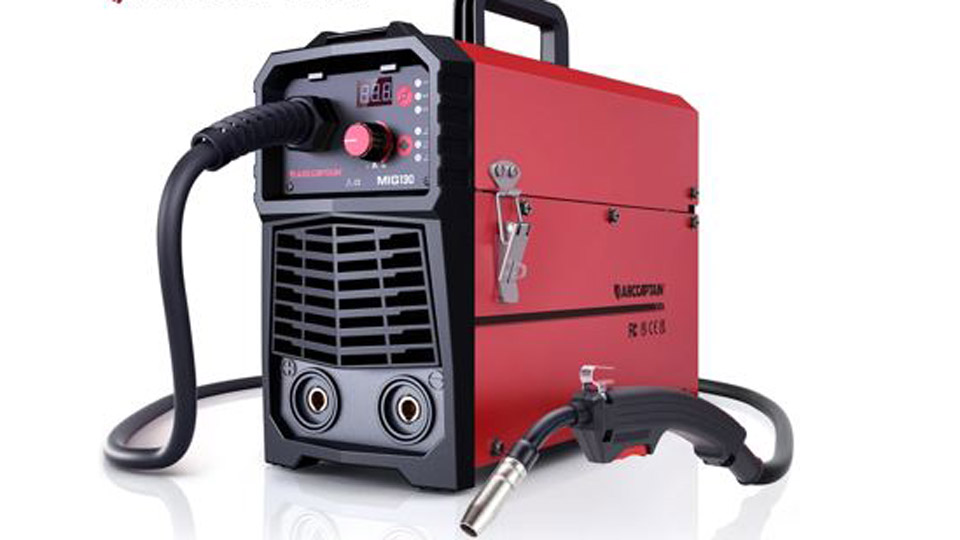
ARCCAPTAIN 130A MIG Welder: The Ultra-Portable Budget Champ
At just 12 pounds, this 3-in-1 (MIG, stick, lift TIG) is a backpack buddy for students hauling to class or workers on mobile repairs. It pumps 130 amps on 110V, ideal for DIYers fixing lawnmower decks or hobbyists prototyping robot arms.
Standout features: Synergic auto-adjust for .030-.040 wire, matching 80-110A to thickness, and a 60% duty cycle keeps you going. LED display and 2T/4T trigger modes make long seams effortless, and overheat protection pauses safely.
Pros: Featherweight portability—I carried it up a ladder for gutter work—and beginner-proof settings that nailed my first vertical bead. Welds are clean on galvanized, with low spatter for less grinding. $120 on Amazon, plus a 1-year warranty.
Cons: Trips 15A breakers at full tilt—use 20A circuits—and maxes at 1/4-inch effectively. Gun’s short for big reaches. Setup: Wire in, ground on, select mode, weld. Scenarios: Home shop for carts, field for gates—wind-proof flux rules.
Anecdote: Repaired my kid’s bike rack in rain; flux ignored moisture. Hack: Add dielectric grease to connections for wet days. Avoid: Skipping wire trim—burnt ends cause bird-nests.
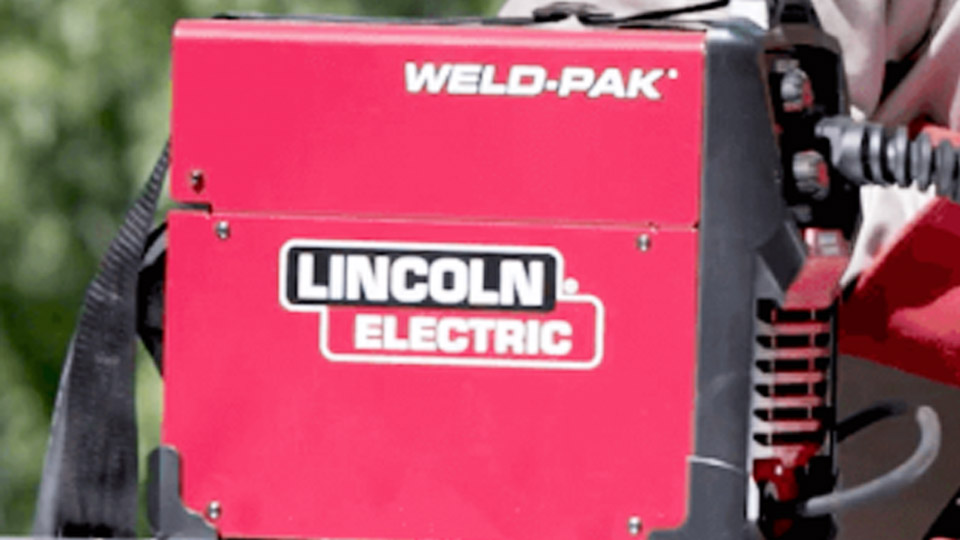
Lincoln Electric 90i: The Trusted Name for Small, Precise Jobs
Lincoln’s rep is gold, and this 90-amp flux-core unit (15 pounds) is for precise pros or beginners on thin repairs, like auto body patches or jewelry stands.
Features: Infinite voltage control for fine beads, 30% duty at 80A, and easy polarity switch. Spool holder takes 2-pounders, perfect for spot work.
Pros: Rock-solid reliability—arc starts every pull—and compact for toolboxes. $180 on Amazon, 3-year warranty.
Cons: Lower power limits to 1/8-inch max, no multi-process. Setup quick, performance steady on clean steel.
Test: Fixed exhaust hangers—held 500-degree heat. Tip: 16V for fillets. Mistake: Overloading duty—pulse it.
Side-by-Side Comparison: Which Flux Core Welder Wins for You?
| Feature/Spec | YESWELDER FLUX-135 | Forney 140 FC-I | ARCCAPTAIN 130A | Lincoln 90i |
|---|---|---|---|---|
| Amps (Max) | 135A | 140A | 130A | 90A |
| Processes | 3-in-1 (MIG/Stick/TIG) | Flux Core Only | 3-in-1 (MIG/Stick/TIG) | Flux Core Only |
| Weight | 19 lbs | 19 lbs | 12 lbs | 15 lbs |
| Duty Cycle | 60% @ 95A | 30% @ 90A | 60% @ 90A | 30% @ 80A |
| Wire Sizes | .030-.035″ | .030-.035″ | .030-.040″ | .030-.035″ |
| Price (Amazon Avg) | $140 | $130 | $120 | $180 |
| Pros | Versatile, synergic ease, windy performance | Durable, simple dials, big spools | Ultra-light, auto-settings, value | Reliable brand, precise control, warranty |
| Cons | Not for thick plate | No multi-process | Breaker trips | Low power limit |
This table breaks it down—pick based on portability (ARCCAPTAIN) or power (Forney).
Buyer’s Guide: Key Checks Before Hitting “Add to Cart”
Buying your first flux core welder? Don’t just grab the cheapest—think about your shop’s amps (20A min), project thickness (up to 1/4″ for beginners), and compatibility with E71T-GS wire for U.S. mild steel per ASTM A36.
Amperage needs: 90-140A covers 16-10 gauge; over that, upgrade later. Safety ratings? Look for UL-listed with thermal shutoff—avoids fires in oily garages. Brand rep: YESWELDER and Lincoln score high on longevity; read 4+ star Amazon reviews for real talk.
Warranty and availability: 1-3 years standard, Prime shipping for quick starts. Portability: Under 20 lbs for hauls. Usability: Synergic models save guesswork. Cost: $100-200 sweet spot—factor wire ($25/spool) and consumables.
Pro insight: Match to codes like OSHA 1910.252 for ventilation; flux smoke’s no joke. Test on scrap first.
Step-by-Step Usage Tips: Nail Your Welds and Stay Safe
- Prep Your Space: Clear flammables, ventilate (flux fumes irritate), don ANSI Z87.1 helmet/gloves/jacket. Ground securely—bad grounds arc wildly.
- Machine Setup: Plug into 20A outlet, load .030 wire (DCEP polarity), trim 1/2 inch, set tension firm but not binding. Voltage 18-22V, speed 200-300 IPM for 1/8 steel.
- Material Prep: Clean to bare metal—wire brush rust; bevel edges over 1/8″. Clamp square; tack first.
- Strike the Arc: 1/4-1/2 inch stick-out, pull trigger steady. Drag at 45 degrees, 1/2 speed like buttering toast. Listen for sizzle, not popcorn.
- Post-Weld: Chip slag, grind smooth. Inspect for cracks—reweld if needed. Cool with air, not water on hot steel.
Safety hack: Drag technique for overhead to drop slag away. Settings tweak: +2V for dirty steel. In my shop, this routine built a toolbox from flat stock—zero blow-through.
Essential Accessories: Round Out Your Flux Core Kit from Amazon
No welder’s complete without backups. Top pick: Miller Classic helmet ($50)—auto-darkens to shade 10, comfy for long sessions. For rods/wire: Forney 42300 .035 E71T-GS spool ($25)—welds galvanized without pop.
Consumables: Lincoln Innershield NR-211-MP ($30)—all-position filler for verticals. Tools: Eastwood chipping hammer ($15) and flap discs ($10/pack) for cleanup. Cart: Strong Hand nomad ($40) hauls it all.
Hack: Magnet clamps ($20) hold pieces hands-free—game-changer for solo laps.
Common Mistakes Beginners Make—and Quick Fixes
Rookie error #1: Wet wire—porous welds. Fix: Bake at 250F or buy sealed. #2: Too-long stick-out—weak arcs. Keep 3/8 inch. #3: No bevel on butts—lack penetration. 30-degree V for strength.
I once skipped cleanup on oily plate—weld popped like fireworks. Lesson: Degrease always. For codes, follow AWS D1.1 pre-clean; shop hack: Vinegar soak for rust.
Conclusion
We’ve covered the ground—from why flux core’s your beginner best friend to hands-on picks like the YESWELDER FLUX-135 for versatility or Forney 140 for straightforward power. These machines matter because they turn “I wish I could weld” into “Look what I built,” prioritizing safety with stable arcs, performance on real U.S. jobs like trailer frames under FMVSS, and durability that lasts seasons.
You’ve got the tools now to match your needs—amperage for thickness, portability for your truck bed—without buyer’s remorse.
You’re better prepped than I was starting out: Confident in synergic ease, savvy on settings, and ready to avoid those spatter showers. Grab one, spool up, and weld something meaningful—your shop’s about to get a whole lot stronger.
Insider pro tip: Invest in a $10 boomerang chisel for slag; it’ll save your hammer and your sanity on cleanup days.
FAQ’s
What Makes Flux Core Better Than Stick Welding for Starters?
Flux core’s continuous wire feed beats stick’s rod changes, giving smoother beads for longer runs. It’s forgiving on angle, ideal for hobby uneven hands—stick’s great for outdoors but messier restarts.
Can I Use These Welders on Aluminum?
Nope, flux core’s for steel/stainless—aluminum needs TIG or spool gun MIG. Stick to mild for beginners; upgrade later for exotics.
How Thick Can a Beginner Flux Core Welder Handle?
Most top picks do 1/4-inch mild steel fine—beyond that, multi-pass or go 220V. Start thin to build skill; my first was 1/8-inch brackets.
Do I Need Gas with Flux Core?
Never— the flux inside shields it. Saves $100 on tanks, perfect for portable yard work without hassles.
What’s the Best Wire for Beginner Flux Core Projects?
E71T-GS .030-inch all-position—versatile for flat/overhead, low spatter on galvanized. $25 spools last weekends; store dry to avoid cracks.


