
Welding is everywhere around us, from the cars we drive to the bridges we cross. But behind every strong weld is an important material called welding flux. Many people see welding as sparks and heat, but they do not always understand what makes the weld strong and clean. The secret often lies in the flux.
So, what is welding flux made of, and why is it so important? This article will break down everything you need to know about welding flux, its ingredients, how it works, and why it matters for both professionals and beginners.
Whether you are a student, a hobbyist, or just curious, this guide will give you a clear, complete understanding of welding flux.

Image by tooliom
What Is Welding Flux?
Before looking at the materials inside, it helps to know what welding flux actually does. In simple terms, flux is a material used during welding to protect the weld from the air. When metals are heated and melted, they can easily react with oxygen, nitrogen, and hydrogen in the air.
These reactions can make the weld weak, full of holes, or dirty. Flux acts as a shield. It melts before or with the metal, creating a barrier that keeps harmful gases away. It also helps remove impurities from the weld area and can add helpful chemicals to the weld pool.
Flux is used in different welding methods, including stick welding (SMAW), submerged arc welding (SAW), and flux-cored arc welding (FCAW). Each process uses flux in a slightly different way, but the basic goal is the same—protect the weld and improve the final result.
The Core Ingredients Of Welding Flux
Welding flux is not just one thing. It is a mix of several materials, carefully chosen to work together. Let’s look at the most common ingredients and what they do.
1. Deoxidizers
Deoxidizers are chemicals that remove oxygen from the weld pool. Oxygen can cause bubbles (porosity) and make the weld weak. Common deoxidizers in flux include:
- Ferromanganese: Adds manganese and helps remove oxygen.
- Ferrosilicon: Adds silicon and works as a strong deoxidizer.
- Aluminum powder: Used in some fluxes to bind with oxygen.
These materials grab oxygen and form oxides, which float to the top and become part of the slag (the layer you chip off after welding).
2. Slag Formers
The slag is the glassy coating you see after welding. It protects the hot weld metal as it cools. Slag formers in flux usually include:
- Silica (SiO2): Comes from quartz or sand. It combines with other elements to make a smooth, protective slag.
- Feldspar: A natural mineral that melts easily and helps create a fluid slag.
- Titanium dioxide (TiO2): Used in some fluxes for smooth slag and better arc control.
Slag is important for controlling the shape of the weld and making it easier to clean.
3. Ionizing Agents
Welding needs a steady arc, and that means having materials that help conduct electricity through the air gap. Ionizing agents like:
- Potassium silicate
- Sodium silicate
These compounds help the electric arc start and stay stable, especially in stick welding. They also help glue the flux to the welding rod.
4. Fluxing Agents
These are the materials that clean the metal during welding. They react with impurities and help remove them from the weld area. Common fluxing agents are:
- Calcium carbonate (limestone)
- Calcium fluoride (fluorspar)
- Magnesium oxide
They help clear away sulfur, phosphorus, and other unwanted elements.
5. Binders
Flux is often made into powder or paste and needs something to hold it together. Binders are materials that keep the flux in shape until it is used. Usual binders include:
- Sodium silicate
- Potassium silicate
These also help the flux stick to the welding rod and stay in place during storage and use.
6. Alloying Elements
Sometimes, flux adds extra metals to the weld pool. This can make the weld stronger, harder, or more resistant to rust. Alloying elements in flux might include:
- Nickel: For strength and toughness.
- Chromium: For corrosion resistance.
- Molybdenum: For higher temperature strength.
These are added in small amounts, depending on the job.
7. Stabilizers And Special Additives
Some fluxes have extra chemicals to improve special properties. For example:
- Cellulose: In stick welding, it gives a strong arc and deeper welds.
- Iron powder: Adds more metal to the weld, making it faster to fill large joints.
The exact mix depends on the welding method, the base metal, and the job’s needs.
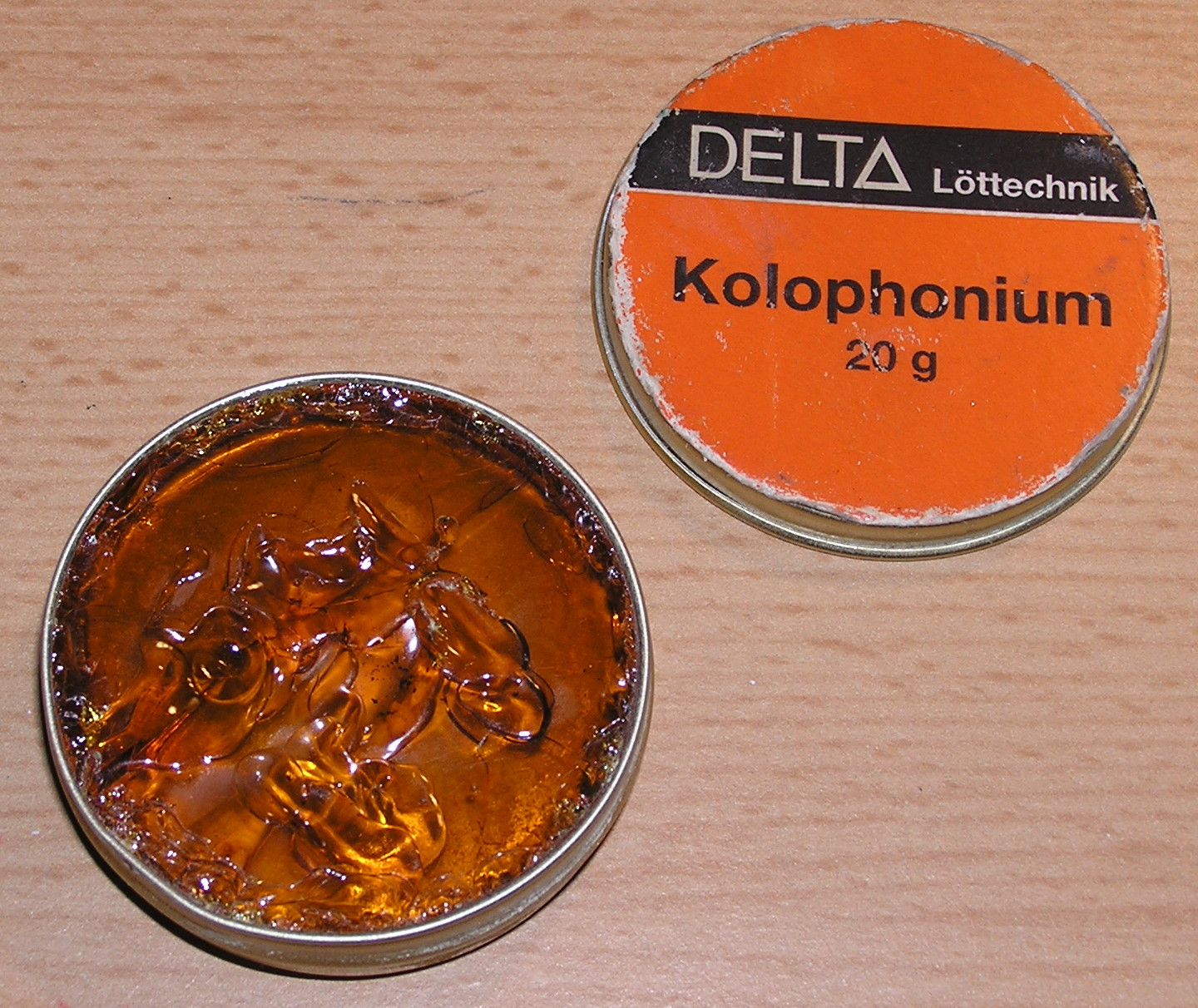
Credit: en.wikipedia.org
How Different Welding Methods Use Flux
Not all welding uses flux in the same way. The materials and forms change depending on the process.
Stick Welding (smaw)
In stick welding, the flux is a coating around the metal rod (the electrode). As you weld, the coating melts and does all the jobs above—protecting, cleaning, and shaping the weld.
- Most stick welding fluxes are rich in cellulose, titanium dioxide, and potassium silicate.
- Some rods have extra iron powder for faster welding.
Submerged Arc Welding (saw)
In submerged arc welding, the flux is a loose powder poured over the weld area. The arc melts the metal and the flux at the same time.
- Common fluxes use silica, feldspar, and lime.
- These fluxes are designed to make a thick slag and keep the weld smooth.
Flux-cored Arc Welding (fcaw)
Here, the flux is inside a hollow wire. As the wire melts, the flux comes out and does its job.
- FCAW fluxes often have deoxidizers, slag formers, and alloying elements.
- The core can be tailored for different metals and jobs.
Oxy-acetylene Welding (brazing And Soldering)
In brazing and soldering, flux is often a paste or powder. It is applied to the joint before heating.
- These fluxes are simpler, often based on borax or boric acid.
- Their job is to clean and let the filler metal flow smoothly.
Why Each Ingredient Matters
Each ingredient in welding flux is chosen for a reason. Here’s a closer look at what each one does in practice.
Deoxidizers: The Oxygen Problem
When molten metal meets oxygen, oxides form. These can make the weld brittle or full of holes. Deoxidizers like ferrosilicon and ferromanganese “grab” the oxygen before it can do harm. They turn it into a harmless slag that floats away. This is why welds with good deoxidizers are stronger and more reliable.
Slag Formers: The Protective Blanket
The slag does more than just cover the weld. It slows down cooling, which prevents cracks. It also protects the weld from moisture and air until it is cool. Silica and feldspar are especially good at making smooth, easy-to-remove slag.
Ionizing Agents: Arc Control
A good arc is the heart of any weld. Potassium and sodium silicates make the arc easier to start and keep it steady. This is especially important for beginners, as a stable arc means fewer mistakes.
Fluxing Agents: Cleanliness Is Key
Dirty metal makes weak welds. Calcium carbonate and fluorspar react with sulfur and phosphorus, removing them as gases or slag. This keeps the weld clean and strong.
Alloying Elements: Special Properties
Sometimes, the metal being welded needs extra help. If you are welding stainless steel, for example, you need extra chromium in the flux. If you want a hard surface, you might add molybdenum.
Binders: Holding It All Together
Without binders, flux would fall apart. The silicates keep the powder or coating in place until it is used. They also help with arc stability.
Stabilizers: Fine-tuning The Weld
Special additives like cellulose give deeper penetration, while iron powder makes it faster to fill big gaps. These are chosen based on the welder’s goals.
Types Of Welding Flux And Their Formulations
Not all fluxes are created equal. The mix changes depending on the welding process, the metal being joined, and the environment. Here are some common types:
Acid Flux
- High in silica and titanium dioxide
- Used for smooth, stable arcs
- Good for thin metals
Basic Flux
- High in calcium carbonate and fluorspar
- Used for tough, high-strength welds
- Good for thick, heavy metals
Rutile Flux
- Rich in titanium dioxide (rutile)
- Easy to use, smooth slag
- Popular for general-purpose stick welding
Cellulosic Flux
- Contains cellulose from wood or paper
- Strong, forceful arc
- Good for vertical or overhead welding
Each formulation has its strengths and is chosen based on the job.
Comparison: Major Flux Ingredients And Their Roles
To make it easier to see the differences, here is a comparison of some main flux ingredients and what they do.
| Ingredient | Main Role | Common Welding Process |
|---|---|---|
| Silica (SiO2) | Slag former | SAW, SMAW |
| Ferromanganese | Deoxidizer | FCAW, SMAW |
| Potassium Silicate | Ionizing agent, binder | SMAW |
| Fluorspar (CaF2) | Fluxing agent | SAW, Basic SMAW |
| Cellulose | Stabilizer, arc force | Cellulosic SMAW rods |
How Flux Composition Affects Welding Performance
The exact recipe for welding flux can change the whole welding experience. Here are some real-world effects:
- Arc stability: More potassium silicate means easier arc starting.
- Slag removal: More silica and feldspar make a smoother, easier-to-chip slag.
- Weld strength: More deoxidizers and fewer impurities mean stronger welds.
- Weld appearance: The right mix gives a smooth, shiny finish.
- Speed: Iron powder speeds up welding by adding more metal to the pool.
Skilled welders often choose their flux based on these performance details, not just the type of metal.
Common Mistakes And Misunderstandings
Many beginners think any flux will work for any job. This is not true. Using the wrong flux can cause:
- Weak welds: If the flux does not match the base metal, the weld can crack or break.
- Hard-to-remove slag: Too much silica or the wrong slag former can make cleaning slow and hard.
- Porosity: Not enough deoxidizer means bubbles in the weld.
- Poor arc stability: The wrong ionizing agent can make the arc jumpy and difficult to control.
Another mistake is not storing flux properly. Flux absorbs moisture from the air, which can ruin its performance. Always keep flux dry and sealed until use.
Welding Flux For Different Metals
Each metal needs a slightly different flux. Here’s a quick comparison of popular metals and the flux they need.
| Metal Type | Best Flux Ingredients | Notes |
|---|---|---|
| Carbon Steel | Silica, ferromanganese, potassium silicate | General-purpose; easy to weld |
| Stainless Steel | Chromium, nickel, rutile | Needs extra alloying for corrosion resistance |
| Aluminum | Fluoride-based (for brazing/soldering) | Specialized; not common in arc welding |
| Cast Iron | High silicon, calcium fluoride | Controls cracking; strong slag formation |
How Welding Flux Is Made
Welding flux manufacturing is a careful process. The ingredients are measured, mixed, and processed to make sure every batch works the same way. Here’s a look at the steps:
- Weighing and mixing: All powders and minerals are measured to exact amounts.
- Blending: The mix is stirred until it is even.
- Adding binders: Silicates are mixed in to help the powder stick together.
- Granulating or coating: For stick welding, the flux is pressed onto rods. For loose flux, it is made into small grains.
- Drying: The finished flux is dried to remove moisture.
- Packaging: Flux is packed in sealed bags or containers to keep it dry.
Each batch is tested for quality. Even small changes in the recipe can affect the weld.
Environmental And Health Factors
Some flux ingredients can be harmful if not handled properly. For example:
- Fluorspar dust can irritate the lungs.
- Silica dust is dangerous if breathed in over time.
- Metal fumes from alloying elements can cause health problems.
Welders should always wear proper masks and gloves. Good ventilation is important, especially when using flux with strong chemicals.
Flux also creates slag waste. While most slag is harmless, some can contain toxic metals. Always follow local rules for disposal.
Innovations In Welding Flux
Modern welding is changing. New fluxes are being developed to improve safety and quality. Some new trends include:
- Low-hydrogen fluxes: These reduce the risk of cracks and are safer for big structures.
- Self-cleaning fluxes: Special mixes that make slag removal easier.
- Eco-friendly fluxes: Using less harmful materials, or recycling slag into new flux.
Some researchers are testing nanoparticle additives to improve arc stability and weld strength. The goal is always to make welding safer, faster, and better.
Practical Tips For Choosing The Right Flux
Choosing the right flux is not just about reading the label. Here are some tips:
- Know your metal: Always match the flux to the base metal.
- Think about position: Some fluxes are better for overhead or vertical welding.
- Look at the environment: If you are welding outside, use a flux with a strong arc shield.
- Check storage needs: Some fluxes need to stay very dry.
- Ask for advice: Manufacturers and welding suppliers can help pick the best flux for your job.
Do not just copy what others use. The right flux for one weld may not be right for another.
Real-world Examples
Many industries rely on special fluxes:
- Shipbuilding: Uses basic fluxes for thick steel plates.
- Pipeline welding: Often uses cellulosic flux for deep welds.
- Automotive repair: Rutile flux is common for bodywork.
In one case, a bridge project switched to a low-hydrogen flux and saw a 30% drop in weld cracks. In another, using a flux with more iron powder cut welding time by half.
Where To Learn More
Many welders learn about flux through experience, but there are also good resources online and in training courses. For those wanting to go deeper, the Wikipedia page on flux offers more technical details and history.
Final Thoughts
Welding flux is more than just a powder or coating—it is a carefully designed mix of chemicals that can make or break a weld. Understanding what flux is made of helps you choose the right one, avoid mistakes, and weld safely.
Whether you are new to welding or have years of experience, paying attention to flux ingredients can improve your results and keep your work strong for years to come.
The next time you see a perfect weld, remember: it’s not just the welder’s skill, but also the science inside the flux that makes it possible.
Frequently Asked Questions
What Is The Main Purpose Of Welding Flux?
The main purpose is to protect the weld pool from air, remove impurities, and help form a strong, clean weld. It acts as a shield and cleaning agent during the welding process.
Can I Use The Same Flux For All Metals?
No, you should not. Different metals need different flux ingredients. Using the wrong flux can cause weak welds, cracks, or other problems.
Is Welding Flux Dangerous?
Some fluxes contain chemicals that can be harmful if inhaled or touched. Always use protective gear and good ventilation when welding.
How Should I Store Welding Flux?
Keep flux in a dry, sealed container. Moisture can ruin its performance and make welding harder.
Why Does The Slag Sometimes Stick To My Weld?
Slag can stick if the flux formulation is not right for the metal, or if the welding conditions are wrong. Try a different flux, or adjust your welding technique for better results.


