
Getting J-B Weld stuck on your hands can be a frustrating and sometimes worrying experience. If you work with this popular two-part epoxy, you already know how strong and sticky it is. But when it dries on your skin, it seems nearly impossible to remove.
Many people panic, scrub too hard, or use harsh chemicals that can hurt their skin. If you’re reading this, you probably want a safe, effective way to get J-B Weld off your hands and prevent future problems.
You might have already tried washing with soap and water, only to find the glue still stuck. Maybe you’ve heard about using vinegar, acetone, or even sandpaper. But what really works? What methods are safe, and which ones could damage your skin or make things worse?
This guide breaks down the best approaches, step by step, for both fresh and dried J-B Weld. You’ll learn how to remove the glue safely, what to avoid, and how to protect your hands in future projects.
As someone who’s dealt with epoxy messes for years, I’ll also share some little-known tips that can save you a lot of hassle. Let’s get started with the basics and work our way up to advanced removal methods.
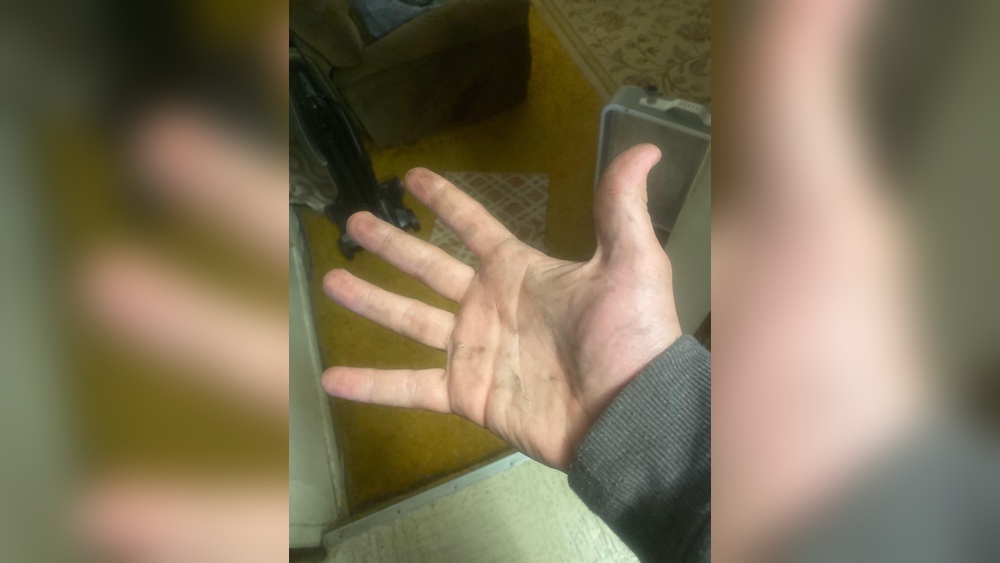
Credit: www.reddit.com
Understanding J-b Weld And Why It’s Hard To Remove
J-B Weld is a strong epoxy adhesive. It comes in two tubes: one with resin, one with hardener. When you mix them, they create a chemical reaction that forms a hard, durable bond. This is great for fixing metal, plastic, and other materials. But if the mixture touches your skin, it can set quickly and form a stubborn layer.
The reason J-B Weld is tough to remove from hands:
- It cures (hardens) fast—sometimes in 4-6 minutes
- It sticks to skin just like it sticks to other surfaces
- Once cured, it’s resistant to water and many chemicals
Knowing this, it’s important to act fast if you get any on your hands. But don’t worry—even if it dries, there are still ways to get it off safely.
Immediate Actions: What To Do Right Away
If you notice J-B Weld on your hands while it’s still wet or tacky, you have the best chance to remove it quickly and easily. Here’s what you should do:
Don’t Panic: The sooner you act, the easier it is to remove.
Wipe Off Excess: Use a paper towel or dry cloth to blot away as much as you can. Don’t rub it in.
Wash with Soap and Water: Go straight to the sink. Use warm water and plenty of soap. Scrub gently with your fingers or a soft brush.
Repeat if Needed: Sometimes, the first wash won’t get it all. Wash again, focusing on sticky spots.
If the epoxy starts to harden, move to stronger methods, but never use sharp tools on your skin. For fresh spills, speed is everything.
Removing J-b Weld From Hands: Methods For Fresh And Cured Epoxy
You might need different approaches depending on whether the epoxy is still wet or already dried.
For Fresh (uncured) J-b Weld
- Soap and Water: As above, this is your first defense.
- Hand Cleaner (Mechanic’s Soap): Products like Gojo or Fast Orange contain scrubbing particles and solvents that help break down grease and adhesives.
- Vegetable Oil or Baby Oil: Rub oil over the area, then wipe with a cloth. This can help loosen the epoxy before it sets.
For Cured (dried) J-b Weld
If the epoxy has already hardened, you’ll need more effort and patience. Here are several methods, starting with the gentlest:
1. Soaking In Warm, Soapy Water
Soak your hands in warm water with soap for 10–15 minutes. This softens both the glue and your skin, making removal easier. After soaking, use a washcloth or soft brush to gently rub the area. This method is safe for most people and can be repeated several times.
2. Use Of Oils
Oils like mineral oil, olive oil, or even peanut butter can help loosen epoxy. Massage oil into the glue spot, wait a few minutes, then rub gently with a cloth or your fingernail. The oil helps break the bond between the epoxy and your skin.
3. Acetone (nail Polish Remover)
Acetone is a strong solvent that can dissolve cured epoxy. Soak a cotton ball with acetone and dab it on the glue spot. Wait a minute, then try to peel or rub the epoxy away. Be careful: acetone can dry your skin and cause irritation. Wash your hands with soap and water after using it, and moisturize your skin.
4. Pumice Stone Or Exfoliating Scrub
A pumice stone or gritty hand scrub can help remove thin layers of cured epoxy. Use gentle, circular motions. Do not scrub too hard—you can injure your skin. This method is best for small spots, not large areas.
5. Commercial Adhesive Removers
Products made for removing adhesives (like Goo Gone or Goof Off) can help break down J-B Weld. Follow the instructions on the label. Some contain strong chemicals, so use in a well-ventilated area and avoid contact with cuts or sensitive skin.
Comparing Removal Methods
Here’s a quick comparison of common removal methods for effectiveness and skin safety:
| Method | Effectiveness (1-5) | Skin Safety | Best For |
|---|---|---|---|
| Soap & Water | 3 | Very Safe | Fresh Epoxy |
| Hand Cleaner | 4 | Safe | Fresh/Curing Epoxy |
| Vegetable Oil | 3 | Very Safe | Fresh/Cured Epoxy |
| Acetone | 5 | Use with Care | Cured Epoxy |
| Pumice Stone | 3 | Moderate | Small Spots |
| Adhesive Remover | 4 | Use with Care | Stubborn Epoxy |
Insight: Many people skip soaking and go straight to harsh chemicals. Patience with soaking and oil can often save your skin from dryness and cracking.
Step-by-step Guide: Safe Removal Process
Follow these steps, adjusting based on how much J-B Weld is on your hands and whether it’s fresh or cured.
Step 1: Act Fast If Possible
If you just got epoxy on your hands, immediately try to wipe it off with a dry paper towel. This removes the bulk before it starts to harden.
Step 2: Wash Thoroughly
Use warm water and plenty of soap. Scrub your hands for at least 30 seconds, paying attention to creases and under nails. If the epoxy is still sticky, move to the next step.
Step 3: Use An Oil-based Product
Massage vegetable oil, baby oil, or hand cleaner onto the spot for 2–3 minutes. Oils help break down the sticky bond. Wipe off with a clean cloth.
Step 4: Soak And Loosen
If the glue has started to harden, soak your hands in warm, soapy water for 10–15 minutes. This softens the epoxy and makes it easier to rub off.
Step 5: Try A Gentle Scrub
If needed, use a pumice stone or gritty hand scrub. Move in circles but do not overdo it. Stop if your skin becomes red or sore.
Step 6: Apply Solvent Carefully
If epoxy remains, use acetone or a commercial adhesive remover. Dab a small amount on a cotton ball and apply only to the spot. Wash and moisturize your hands after.
Step 7: Moisturize
After removal, use a good hand lotion. Both epoxy and solvents can dry your skin, leading to cracks or irritation.
Pro Tip: Even if some epoxy remains after the first session, stop and wait a few hours. Often, the glue will flake off as your skin sheds naturally.
What Not To Do: Common Mistakes To Avoid
Many people make removal harder (or hurt themselves) by trying the wrong things. Here’s what you should avoid:
- Do not use sharp tools like knives or razors. You can easily cut yourself.
- Do not use strong acids or lye. These are dangerous for skin.
- Do not scrub with sandpaper. This can remove skin along with the epoxy.
- Do not burn it off with fire or heat guns.
- Do not ignore skin irritation or pain. If your skin becomes sore, red, or starts to blister, stop and rinse with water.
Insight: Over-scrubbing often causes more problems than the epoxy itself. Most glue will wear off naturally within a few days as your skin renews itself.
When To Seek Medical Help
Usually, J-B Weld on hands is not a medical emergency. However, there are situations where you should see a doctor:
- If you have a skin allergy to epoxy and develop a rash, swelling, or blisters
- If the epoxy covers a large area (more than the size of your palm) and you can’t remove it
- If you have open cuts or wounds under the epoxy
- If you feel dizziness, trouble breathing, or other allergic symptoms
Doctors can use special solvents or treatments to remove adhesives from skin safely.
Natural And Home Remedies: What Works And What Doesn’t
Many people look for natural ways to remove J-B Weld, especially if they have sensitive skin. Let’s look at some popular options:
- Vinegar: Mildly effective. It can help soften the epoxy, but usually works better for uncured glue.
- Lemon Juice: Slightly acidic and can help, but not as strong as acetone or commercial removers.
- Baking Soda Paste: Gentle scrub, but not much effect on hardened epoxy.
- Peanut Butter: The oils in peanut butter can help loosen the bond, but it’s messy.
Most natural remedies are safer for your skin, but they require more patience and work best for small spots or thin layers. They are less effective for thick, cured epoxy.
How Long Does J-b Weld Take To Come Off Skin Naturally?
If you do nothing, most of the epoxy will flake off with normal hand washing and daily activities. The top layer of your skin renews itself every 7–10 days, so even stubborn spots will disappear in about a week. However, it’s better to remove as much as possible to avoid irritation or allergic reactions.
Prevention: How To Avoid Getting J-b Weld On Your Hands
The best way to handle J-B Weld is to avoid getting it on your skin in the first place. Here are some practical tips:
- Wear Disposable Gloves: Nitrile gloves are best. They resist most chemicals and don’t tear easily.
- Use Tools, Not Fingers: Mix and apply epoxy with sticks, brushes, or spatulas.
- Work in a Clean Area: Keep paper towels and solvent handy in case of spills.
- Apply Petroleum Jelly Around Nails: If you don’t have gloves, rubbing a bit of petroleum jelly around your nails can prevent glue from sticking.
- Wash Hands Immediately After Use: Don’t wait until your project is finished.
Insight: Many people use latex gloves, but nitrile gloves are more resistant to chemicals like J-B Weld. For long projects, change gloves if they get punctured.
Comparing Different Solvents And Their Effects
Choosing the right solvent is important for both effectiveness and skin health. Here’s a look at the most common solvents used for removing J-B Weld and how they compare:
| Solvent | Removes J-B Weld | Skin Safety | Ease of Use |
|---|---|---|---|
| Acetone | Yes, very effective | Can dry/irritate skin | Easy, but use with care |
| Isopropyl Alcohol | Somewhat effective | Safe, mild drying | Very easy |
| Mineral Spirits | Moderately effective | Can irritate sensitive skin | Easy |
| Vegetable Oil | Somewhat effective | Very safe | Very easy |
| Commercial Remover | Very effective | Use with care | Easy, follow instructions |
Tip: If you have sensitive skin, always start with oil or alcohol before trying stronger chemicals.
Real-world Example: Removing J-b Weld From Hands
Let’s look at a case study:
Maria, a car hobbyist, got J-B Weld on her hands while repairing a radiator. She noticed the glue after 10 minutes—already starting to cure. Maria took these steps:
- She wiped off as much as she could with a paper towel.
- Washed her hands with mechanic’s hand soap—some glue remained.
- Soaked her hands in warm, soapy water for 15 minutes.
- Massaged olive oil into the spot, then used a washcloth to rub gently.
- Used a small amount of acetone on a cotton swab for the last stubborn patch.
- Washed her hands and applied lotion.
After 30 minutes, her hands were clean and not irritated. This shows that using multiple gentle steps works better than just one harsh method.
Kids And Pets: Special Precautions
If a child or pet gets J-B Weld on their skin, act quickly:
- Use only soap, water, and vegetable oil—never strong chemicals.
- Do not scrub hard; kid’s and pet’s skin is more sensitive.
- Call a doctor or veterinarian if a large area is covered or if glue is near the eyes, mouth, or open wounds.
Is J-b Weld Toxic To Skin?
J-B Weld is not highly toxic, but the chemicals can cause skin irritation, especially with repeated contact. Some people may develop an allergic reaction. Always wash off as soon as possible. If you feel burning, redness, or itching, stop using solvents and rinse with water.
Final Thoughts
Getting J-B Weld on your hands isn’t the end of the world. With patience, the right tools, and a little care, you can remove even stubborn epoxy safely. Remember: act quickly, avoid harsh chemicals, and protect your skin in future projects.
Frequently Asked Questions
How Long Does It Take To Remove J-b Weld From Hands?
Most of the glue comes off within 30–60 minutes with the right methods. If you do nothing, it will flake off naturally in 7–10 days as your skin sheds.
Can I Use Nail Polish Remover To Get J-b Weld Off My Skin?
Yes, if it contains acetone. Acetone is effective for breaking down cured epoxy but can dry or irritate skin. Use a small amount and wash your hands afterward.
Is It Safe To Use Paint Thinner Or Gasoline To Remove J-b Weld From Hands?
No, these chemicals are too harsh for skin and can cause burns, dryness, or worse. Stick to acetone, oil, or commercial adhesive removers meant for skin.
What Should I Do If J-b Weld Gets Under My Fingernails?
Soak your hands in warm, soapy water and use a soft brush (like a toothbrush) to gently scrub under nails. Avoid sharp tools. Over time, the glue will loosen and come out.
Can J-b Weld Cause Permanent Skin Damage?
It’s rare, but repeated or long exposure can cause irritation, allergic reactions, or even chemical burns in sensitive people. Remove glue as soon as possible and moisturize afterward.


