
Brazing aluminum to steel is one of those metalworking challenges that many people struggle with. These two metals have very different properties, and getting them to bond properly isn’t as simple as heating and adding filler. But can you braze aluminum to steel? Yes, it’s possible—with the right techniques, materials, and preparation.
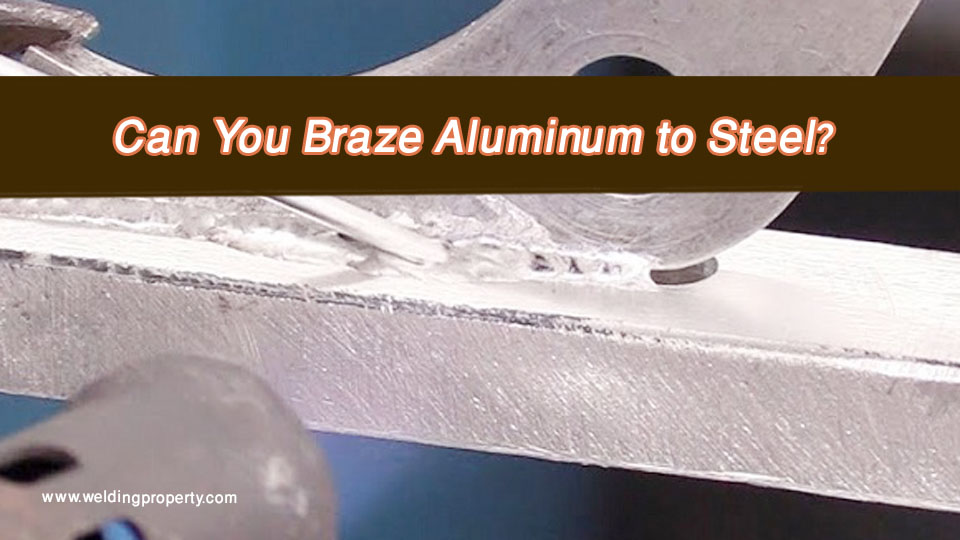
Image by midsouthsupply
I’ve worked with both aluminum and steel in various projects, and I know how frustrating it can be when they just don’t seem to stick together.
If you’ve ever tried traditional welding, you’ve probably noticed that aluminum and steel don’t fuse well because of their different melting points and chemical compositions. That’s why brazing is often the best method.
let’s break it all down and explore the best ways to braze aluminum to steel for a strong and lasting bond.
Why Is Brazing Aluminum to Steel Difficult?
Before jumping into the process, it’s important to understand why joining aluminum to steel is tricky.
- Different Melting Points – Aluminum melts at around 1,220°F, while steel has a much higher melting point of 2,500°F. This makes welding almost impossible since one metal will melt long before the other.
- Oxide Formation – Aluminum naturally forms an oxide layer that is hard to remove, preventing proper bonding.
- Poor Compatibility – Steel and aluminum don’t naturally bond well due to their atomic structure, so a special filler is needed.
Brazing works because it uses a lower-melting filler metal to create a strong connection without melting the base metals. The right flux and filler can make all the difference.
Choosing the Right Brazing Filler Metal
One of the most critical parts of brazing aluminum to steel is selecting the right filler metal. The filler must be able to bond with both aluminum and steel while providing enough strength for the joint.
| Filler Metal | Best For | Melting Point | Pros | Cons |
|---|---|---|---|---|
| Aluminum-Silicon (Al-Si) | Aluminum-heavy joints | ~1,080°F | Good flow, prevents cracks | Weak adhesion to steel |
| Zinc-Aluminum (Zn-Al) | General-purpose brazing | ~890°F | Stronger bond with steel | Can be brittle |
| Silver-Based Filler | High-strength applications | ~1,100°F | Excellent bond | Expensive |
| Nickel-Based Filler | Industrial uses | ~1,800°F | Superior strength | Requires higher temps |
For most DIY or repair applications, zinc-aluminum (Zn-Al) fillers work well because they create a decent bond between the two metals without requiring extreme temperatures.
How to Prepare Aluminum and Steel for Brazing
Preparation is key when brazing dissimilar metals. If you don’t clean and prep your materials properly, you’ll end up with a weak joint.
Clean Both Surfaces Thoroughly – Use a wire brush or sandpaper to remove any dirt, rust, or oxidation.
Apply the Right Flux – Aluminum and steel require different fluxes, but some all-purpose brazing fluxes are designed for both.
Clamp the Metals Securely – Since these metals expand at different rates under heat, they need to be held in place tightly to avoid shifting.
Use a Proper Heat Source – A propane or oxy-acetylene torch works best, but an induction brazing setup can also be used for precision work.
Step-by-Step Process for Brazing Aluminum to Steel
Now that you have the right filler metal and have prepped the surfaces, it’s time to braze. Here’s how to do it properly:
Heat the Steel First
Since steel requires more heat than aluminum, always start by heating the steel side of the joint. Keep the torch moving to avoid overheating one spot.
Introduce the Filler Metal
Once the steel is hot enough, introduce the zinc-aluminum filler rod. The filler should start melting and spreading onto the steel surface.
Heat the Aluminum Gently
Aluminum heats up fast and can melt if you’re not careful. Aim to bring it up to the filler metal’s melting point, not aluminum’s full melting temperature.
Allow Capillary Action to Work
Good brazing relies on capillary action, where the melted filler metal flows into the gap between the aluminum and steel. If you’ve prepared everything correctly, this will happen naturally.
Let the Joint Cool Naturally
Once the filler metal has flowed properly, remove the heat and let the joint cool down on its own. Avoid quenching with water, as this can weaken the bond.
Strength and Durability of the Brazed Joint
Many people wonder how strong a brazed aluminum-to-steel joint is compared to welding. While welding creates a full fusion of metals, brazing forms a surface bond that is still strong but not as durable under extreme mechanical stress.
A properly brazed aluminum-to-steel joint can withstand moderate loads and is commonly used in applications like:
- Automotive repairs (joining aluminum components to steel frames)
- HVAC systems
- Aerospace and marine applications
- Custom fabrication projects
For heavy-duty applications where the joint will experience extreme stress, mechanical fasteners or additional reinforcement may be necessary.
Common Mistakes and How to Avoid Them
Even experienced metalworkers can run into problems when brazing aluminum to steel. Here are some common mistakes and how to fix them:
| Mistake | Cause | Solution |
|---|---|---|
| Weak Bond | Improper filler metal choice | Use Zn-Al or silver-based filler |
| Filler Not Sticking | Oxidation on surface | Clean thoroughly and use proper flux |
| Aluminum Melting | Excessive heat | Apply heat gradually and monitor temperature |
| Cracking After Cooling | Thermal expansion differences | Use proper clamping and cooling methods |
Alternative Methods for Joining Aluminum to Steel
If brazing isn’t the best option for your project, there are other ways to join aluminum and steel:
- Adhesive Bonding – Industrial-strength epoxies designed for metal can provide strong adhesion without heat.
- Mechanical Fasteners – Bolts, rivets, or clamps can be used instead of a metal bond.
- Explosion Welding – A high-energy process used in industrial applications to create a solid-state bond between metals.
Each method has its own advantages and limitations, so choose the one that best fits your project.
Conclusion
Brazing aluminum to steel is challenging, but it’s absolutely possible with the right materials, preparation, and technique. Since these two metals have very different properties, a specialized filler metal like zinc-aluminum is essential for creating a strong joint.
The key to success is proper surface cleaning, using the right flux, and controlling heat carefully. While brazing won’t provide the same strength as welding, it’s a great option for many applications, from automotive repairs to aerospace projects.
If you take your time, follow the steps, and avoid common mistakes, you’ll be able to create reliable aluminum-to-steel joints that hold up under real-world conditions.
If you’ve been wondering whether you can braze aluminum to steel, the answer is yes—you just need the right approach!
FAQs
Can I use regular aluminum solder to braze aluminum to steel?
No, regular aluminum solder won’t bond properly to steel. You need a special filler metal designed for both materials.
What’s the best flux for brazing aluminum to steel?
A specialized aluminum brazing flux or a flux designed for dissimilar metals is the best choice.
How strong is a brazed aluminum-to-steel joint?
It’s strong enough for most applications but not as durable as welding. Reinforcement may be needed for high-stress environments.
Can I braze aluminum to stainless steel?
Yes, but it requires extra precautions, such as using silver-based filler and a more precise heating process.
Is brazing better than welding for aluminum-to-steel joints?
Brazing is better for low-heat applications and dissimilar metals, but welding is stronger for same-metal joints.
I hope this guide helped you understand how to braze aluminum to steel! If you have any more questions, feel free to ask—I’m always happy to share what I’ve learned.


