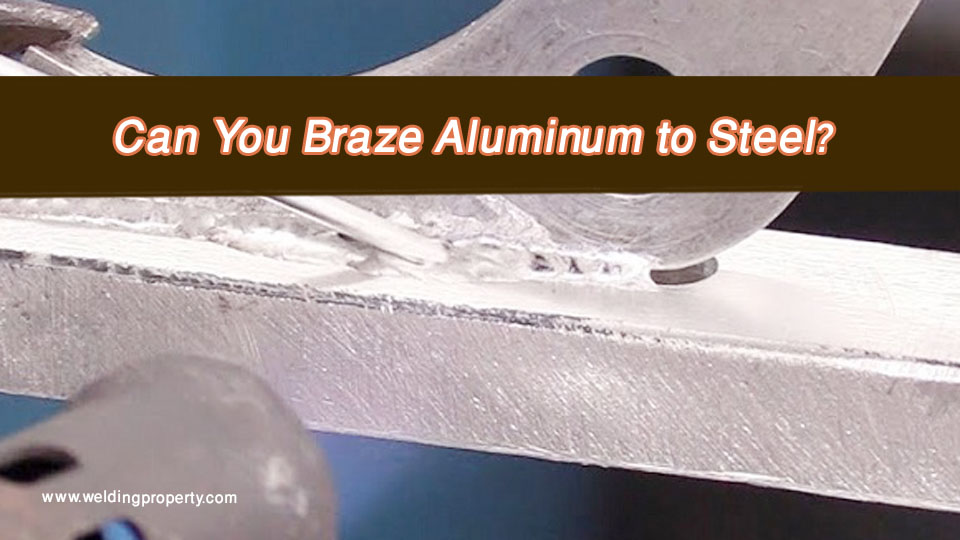
Soldering aluminum can be a tricky task, especially if you’re used to working with copper or other metals. Aluminum has a natural oxide layer that makes it difficult for solder to stick. But with the right tools, techniques, and a bit of patience, it is possible to solder aluminum using a standard soldering iron.

Image by toolsdoctor
I’ve spent a good amount of time experimenting with different methods to get aluminum to bond properly, and I can tell you—it’s not impossible. You just need the right approach. If you’ve ever struggled with getting solder to stick to aluminum, this guide will walk you through everything you need to know.
Challenges of Soldering Aluminum
Before jumping into the process, it’s important to understand why aluminum is difficult to solder.
Oxidation: Aluminum quickly forms an oxide layer when exposed to air. This layer prevents solder from properly adhering to the surface.
High Heat Conductivity: Aluminum absorbs and spreads heat quickly, making it difficult to maintain the temperature needed for soldering.
Traditional Solder Doesn’t Work Well: Standard lead-based or lead-free solder used for electronics won’t stick to aluminum without special flux or solder.
Knowing these challenges, let’s go over how to overcome them and successfully solder aluminum with a soldering iron.
Choosing the Right Tools and Materials
You can’t just grab any soldering iron and expect aluminum to bond easily. You need the right materials to make this process work.
Essential Tools
- Soldering Iron: A high-powered soldering iron (at least 60W) is required because aluminum dissipates heat quickly. Lower-wattage irons may struggle to keep the metal hot enough.
- Aluminum Solder: Special aluminum solder is needed. Look for solder that contains zinc, as it bonds better with aluminum.
- Aluminum Flux: Standard flux won’t work. You need a flux specifically designed for aluminum, which helps break down the oxide layer and allows the solder to bond.
- Wire Brush or Sandpaper: Used to remove oxidation before applying flux and solder.
- Clamps or Third Hand Tool: Helps hold pieces in place while you work.
- Isopropyl Alcohol (90% or Higher): Used for cleaning the aluminum before soldering.
Preparing the Aluminum for Soldering
Preparation is the most important part of soldering aluminum. If you skip this step or don’t do it properly, the solder won’t adhere, and you’ll end up frustrated.
Clean the Aluminum Surface
Before anything else, the aluminum must be free of dirt, oil, and oxidation.
- Wipe the surface with isopropyl alcohol to remove grease or contaminants.
- Use a wire brush or fine sandpaper to scrub the area where you want to solder. This removes the oxide layer and exposes fresh aluminum.
- Apply flux immediately after cleaning to prevent oxidation from forming again.
Apply the Aluminum Flux
Once the aluminum is cleaned, apply the aluminum-specific flux to the area you plan to solder.
- This flux helps dissolve any remaining oxidation and allows the solder to bond.
- Use a small brush to spread an even layer of flux over the cleaned surface.
Soldering Aluminum with a Soldering Iron
Now that the aluminum is prepped, it’s time to solder.
Heat the Aluminum
Aluminum dissipates heat quickly, so you’ll need to preheat the area before applying solder.
- Turn your soldering iron to high heat (at least 600°F or 315°C).
- Hold the iron against the aluminum for several seconds to ensure the metal is hot enough.
Apply the Solder
Once the aluminum is heated, you can add the solder.
- Touch the solder directly to the heated aluminum (not the iron).
- The solder should melt and flow onto the metal. If it beads up and doesn’t stick, the aluminum might not be hot enough, or oxidation has reformed.
- Keep the soldering iron in place until the solder fully bonds with the aluminum.
Let It Cool
Once the solder has bonded, remove the iron and allow the solder joint to cool naturally.
- Avoid moving the aluminum while it cools, as this can weaken the bond.
- Once cooled, inspect the joint to ensure proper adhesion.
Troubleshooting Common Issues
Even with the right tools and preparation, soldering aluminum can still present some challenges. Here’s how to fix common problems.
Solder Won’t Stick to Aluminum
- Ensure you’re using aluminum-specific flux and solder (regular solder won’t work).
- Reclean the surface and reapply flux before attempting again.
- Increase the heat of your soldering iron.
Solder Beads Up Instead of Flowing
- This is usually caused by oxidation. Clean the surface again and apply more flux.
- Make sure you’re heating the aluminum properly before applying solder.
Weak or Brittle Solder Joint
- Ensure the aluminum was heated properly before adding solder.
- Avoid excessive movement while the solder cools.
- Use clamps or a third-hand tool to hold the pieces in place.
Comparing Different Aluminum Solders
Not all aluminum solders are the same. Here’s a quick comparison of common types.
| Solder Type | Composition | Best For | Pros | Cons |
|---|---|---|---|---|
| Zinc-Based Aluminum Solder | Zinc, tin, silver | General aluminum soldering | Strong bond, good adhesion | Requires aluminum flux |
| Lead-Based Solder | Lead, tin | Electronics (not recommended for aluminum) | Easy to use | Doesn’t bond to aluminum well |
| Silver-Bearing Solder | Silver, tin | High-strength applications | Stronger bond, corrosion-resistant | More expensive |
Safety Tips for Soldering Aluminum
Working with aluminum requires high heat and special flux, so safety is crucial.
- Work in a well-ventilated area to avoid inhaling flux fumes.
- Wear heat-resistant gloves to protect against burns.
- Use safety goggles to prevent flux splatter from getting into your eyes.
- Keep a fire extinguisher nearby, especially if working with high-heat applications.
Conclusion
Soldering aluminum with a soldering iron is challenging, but it’s definitely possible with the right approach. The key is proper surface preparation, using aluminum-specific flux and solder, and applying enough heat to the metal before soldering.
If you’ve ever struggled to get solder to stick to aluminum, chances are oxidation was the main culprit. Cleaning the metal thoroughly and using the right flux will make a world of difference.
Patience is important—aluminum behaves differently from other metals, and it may take a few tries to get it right. But once you master the technique, you’ll be able to make strong, reliable solder joints on aluminum for a variety of projects.
Frequently Asked Questions
Can you use regular solder for aluminum?
No, standard tin-lead solder won’t bond to aluminum. You need aluminum-specific solder that contains zinc or silver.
What flux should I use for soldering aluminum?
Use a specialized aluminum flux designed to break down the oxide layer and help the solder adhere.
Why won’t solder stick to aluminum?
Aluminum forms an oxide layer that prevents solder from bonding. Proper cleaning, aluminum flux, and high heat are needed for a successful solder joint.
What temperature do you need to solder aluminum?
Aluminum requires higher temperatures than other metals. A soldering iron of at least 600°F (315°C) is recommended.
Can I solder aluminum without flux?
No, flux is essential for breaking down the oxide layer and allowing the solder to bond properly. Without it, the solder will not adhere.
Soldering aluminum takes practice, but with the right tools and techniques, you’ll be able to achieve strong, reliable connections. If you’ve never tried it before, start with some scrap pieces and experiment until you get the hang of it.