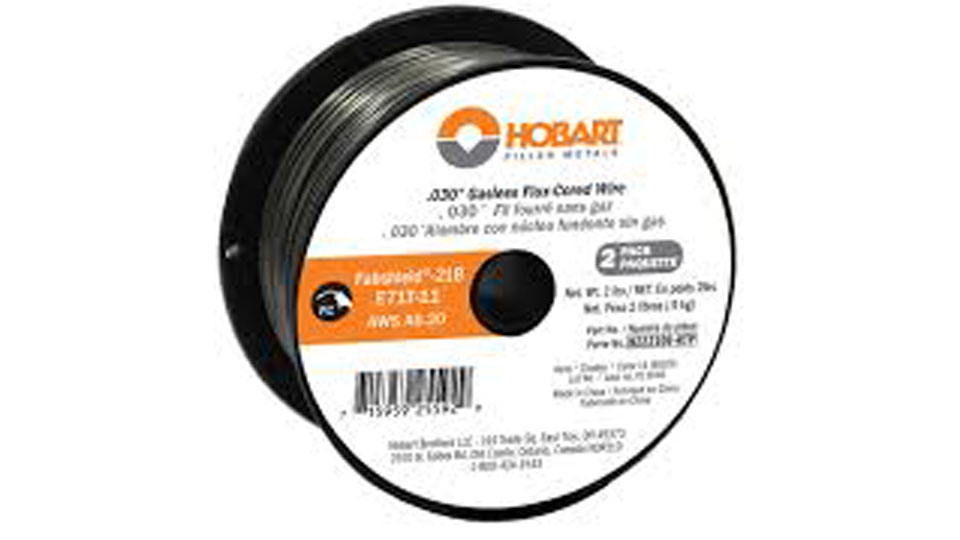
Welding is an essential skill in fabrication, repairs, and construction, and choosing the right welding rod makes all the difference. If you’re working on light to medium welding jobs, the 6013 welding rod is one of the most popular choices out there. I’ve personally used it for various projects, and it’s great for beginners and professionals alike.
But before you grab a box of 6013 electrodes, it’s important to understand what makes them unique and how they perform. Let’s take a deep dive into the specifications, uses, and advantages of the 6013 welding rod so you can decide if it’s the right choice for your welding needs.

zazella.co.ke
What is a 6013 Welding Rod?
The 6013 welding rod is a mild steel electrode that produces smooth and easy-to-control welds. It’s designed for general-purpose welding and works well with AC and DC currents. If you’re a hobbyist, a beginner, or someone who needs a clean and aesthetic weld, the 6013 rod is a solid choice. It doesn’t dig too deep into the metal, making it perfect for thin and medium-thickness materials.
The numbers in 6013 tell you important details about the rod:
- 60 – The weld has a tensile strength of 60,000 psi, meaning it can handle up to 60,000 pounds per square inch before breaking.
- 1 – It can be used in all positions (flat, vertical, overhead, horizontal).
- 3 – The flux coating is high titania potassium, giving it a smooth and stable arc with minimal spatter.
This rod is widely used in structural welding, sheet metal work, and automotive repairs.
6013 Welding Rod Specifications
Let’s break down the technical details of 6013 electrodes so you can see how they perform in different welding situations.
| Specification | 6013 Welding Rod |
|---|---|
| Tensile Strength | 60,000 psi |
| Welding Position | All positions (flat, horizontal, vertical, overhead) |
| Current Type | AC, DC+ (DCEP), DC- (DCEN) |
| Flux Coating | High titania potassium |
| Penetration | Light to medium |
| Slag Removal | Easy |
| Spatter Level | Low |
| Weld Appearance | Smooth and clean |
This rod is user-friendly and provides good arc stability, making it ideal for clean and attractive welds.
Best Applications for 6013 Welding Rod
I’ve used 6013 rods for various projects, and they work best in light to medium-duty welding applications. Here are some of the most common uses:
Sheet Metal Fabrication
If you’re welding thin metals, 6013 rods are a great choice because they have low penetration, preventing burn-through.
Structural Welding
For non-critical structures, like fences, gates, or light steel frames, this rod provides strong and smooth welds.
Automotive Repairs
I’ve personally used 6013 rods for bodywork and small auto repairs, and they work well on mild steel.
Home and DIY Projects
Whether you’re making a metal table, repairing a trailer, or fixing farm equipment, 6013 rods offer versatility and ease of use.
If you need deep penetration or heavy-duty welding, you might want to use 6010 or 7018 rods instead.
6013 Welding Rod Amperage Settings
Setting the correct amperage is crucial for smooth, clean welds. Here’s a guide based on electrode size:
| Electrode Diameter | Amperage Range | Metal Thickness |
|---|---|---|
| 1/16 inch (1.6mm) | 20-45A | Very thin sheet metal |
| 3/32 inch (2.4mm) | 40-90A | 1/16 to 1/8 inch |
| 1/8 inch (3.2mm) | 80-140A | 1/8 to 1/4 inch |
| 5/32 inch (4.0mm) | 110-180A | 1/4 inch and thicker |
If the rod is sticking too much, increase the amperage slightly. If it’s burning through, lower the amps. Finding the sweet spot takes practice!
Advantages of Using 6013 Welding Rod
I’ve always found 6013 rods to be one of the easiest to work with. Here’s why:
- Easy to Use – It’s great for beginners because of the smooth arc and low spatter.
- Works on AC and DC – You don’t need a fancy welder. It works with both AC and DC power sources.
- Minimal Cleanup – The slag peels off easily, so you don’t spend too much time grinding.
- All-Position Welding – You can use it flat, vertical, horizontal, or even overhead.
- Attractive Welds – If appearance matters, this rod delivers smooth and neat weld beads.
For anyone starting out or working on general-purpose welding, 6013 is a great rod to have in your shop.
Disadvantages of 6013 Welding Rod
While 6013 rods are great, they do have some downsides:
- Shallow Penetration – They don’t work well on thick steel or heavy structural welding.
- Not Ideal for Dirty Metal – Unlike 6010 or 6011, 6013 doesn’t burn through rust, paint, or dirt easily.
- Weaker than 7018 Rods – If strength is a priority, a 7018 electrode might be a better option.
If you need strong welds on thick steel, consider using a deeper penetrating rod like 6011 or 7018.
Tips for Welding with 6013 Rods
Here are some personal tips I’ve learned when welding with 6013 electrodes:
- Keep a Short Arc Length – This prevents excessive spatter and maintains a stable arc.
- Use a Slight Drag Angle – Holding the rod at 15-30 degrees helps create a smooth weld bead.
- Clean the Metal Surface – For best results, remove paint, rust, and oil before welding.
- Watch Your Speed – Moving too fast can cause a weak weld, while moving too slow can lead to excess buildup.
With practice, you’ll get smooth and strong welds with 6013 rods.
Conclusion
The 6013 welding rod is a fantastic choice for general-purpose welding, especially if you need a clean, smooth weld with low spatter. It’s great for sheet metal, home projects, and automotive repairs, but it’s not the best for thick or dirty metal.
I personally love using 6013 rods when working on light steel projects. They’re easy to use, versatile, and provide great results. Whether you’re a beginner or an experienced welder, having 6013 electrodes in your shop is always a good idea.
If you need a rod that’s easy to work with and produces nice-looking welds, 6013 is a solid choice. Happy welding!
Frequently Asked Questions (FAQs)
What is the best amperage for 6013 welding rods?
The best amperage depends on the rod size. For 1/8-inch rods, 80-140A is ideal, while 3/32-inch rods work best at 40-90A.
Can 6013 rods be used on rusty metal?
6013 rods work best on clean metal. If welding rusty or dirty surfaces, 6011 rods are a better choice.
Is 6013 stronger than 7018?
No, 7018 rods produce stronger welds and are used for structural welding. 6013 is better for light-duty projects.