If you’re thinking about a welding career, you might be wondering, “Can a welder really make $100,000 a year, and is this path profitable in the long run?” This is a question many people ask when considering welding as a career.

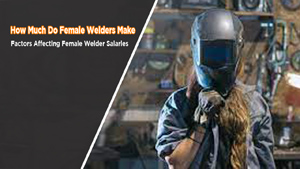
Photo by Ray_Shrewsberry on Pixabay
With the right skills, experience, and willingness to take on specialized projects, welding can indeed be highly lucrative. Let’s look at the factors that influence a welder’s income and what makes this career path potentially very profitable.
How Much Do Welders Make on Average?
The average welder in the United States earns around $45,000 to $50,000 per year, but this can vary widely based on factors like experience, certifications, job type, and location.
While entry-level welding jobs may start at a lower rate, skilled welders can command significantly higher wages, particularly in specialized areas.
| Level of Experience | Annual Salary Range |
|---|---|
| Entry-Level Welder | $30,000 – $40,000 |
| Mid-Level Welder | $45,000 – $60,000 |
| Skilled or Specialized Welder | $70,000 – $100,000+ |
| Traveling or Underwater Welder | $100,000 – $200,000+ |
What Factors Influence a Welder’s Earnings?
Welding is a career where income can vary greatly depending on several factors:
Specialization: Welders who specialize in areas like underwater welding, pipeline welding, and aerospace welding can earn significantly more due to the expertise required.
Experience Level: Just like any career, experience plays a major role. A welder with 10+ years in specialized fields will generally earn more than someone just starting.
Location: High-demand areas, especially those with energy or construction projects, often pay welders more due to the increased need for skilled labor.
Certifications and Education: Advanced certifications, such as Certified Welding Inspector (CWI) or certifications in specific welding techniques, often lead to higher-paying job opportunities.
High-Paying Welding Specializations
Certain welding specializations tend to pay much higher wages than standard welding positions. Here are some of the top-paying areas in welding:
Underwater Welding: Underwater welders can earn $100,000 or more per year, especially for offshore projects. The work is challenging, and conditions can be hazardous, but the pay reflects the risks involved.
Pipeline Welding: Pipeline welders work on large projects, often in remote areas. They can make between $70,000 and $120,000 a year, depending on the project scope and location.
Aerospace Welding: Aerospace welding requires precision and extensive training, but it also pays well. Welders in this field can earn from $80,000 to over $100,000 annually.
Traveling Welders: Traveling welders, also known as “road warriors,” work on various sites across the country or internationally. This flexibility and demand can lead to earnings well above $100,000 per year.
Can You Make $100,000 as a Welder?
Yes, it’s entirely possible for a welder to make $100,000 or more, especially in certain fields and with specific skill sets. Welders working in high-risk environments, such as underwater or in industrial settings, are often compensated generously. Additionally, freelance and contract welders can also reach this income level, especially if they build a strong reputation and work on high-paying projects.
From my experience, it’s clear that reaching this income level requires a combination of advanced skills, certifications, and a willingness to take on challenging or specialized work.
It’s not an overnight achievement, but for those dedicated to their craft, welding can be a highly profitable career.
How to Increase Your Earning Potential as a Welder
If making $100,000 is your goal, there are specific steps that can help increase your chances of reaching that income level:
Obtain Advanced Certifications: Certifications such as Certified Welding Inspector (CWI), Certified Welding Educator (CWE), and other specialized welding certifications can make you more valuable to employers.
Pursue High-Demand Specializations: Consider training in fields like underwater welding, pipeline welding, or aerospace welding. These areas offer higher pay due to the demand and specialized skills required.
Be Open to Travel: Many high-paying welding jobs are in remote or high-demand areas, often requiring travel. Some traveling welders find projects across multiple states or even internationally, significantly increasing their income.
Freelance and Contract Work: Some welders work on a contract basis, setting their own rates for specialized jobs. This can be a lucrative approach if you have a strong network and reputation in the industry.
Pros and Cons of a Welding Career
Welding has its benefits, but like any job, it also comes with its challenges. Here’s a quick look at the pros and cons to consider.
| Pros | Cons |
|---|---|
| High earning potential in specialized fields | Physically demanding and can be hazardous |
| Opportunities for travel | Requires certification and ongoing training |
| Diverse career paths and industries | Long hours, especially on contracts |
| Stable demand in industries like construction, manufacturing, and energy | May involve travel to remote locations |
Is Welding a Profitable Career in the Long Run?
Welding can be a very profitable career, especially for those willing to invest time in skill development and specialization. The demand for skilled welders remains steady, and certain industries, like energy and infrastructure, are expected to grow, which keeps the job market strong.
The earning potential can make welding highly profitable, even more so when compared to the relatively low cost of entry for training and certification.
From my perspective, welding offers a rare combination of practical skills and high earning potential, especially if you’re willing to pursue certifications and take on specialized roles. It’s a field that rewards hands-on work and problem-solving, which many find appealing.
FAQs
Can welding be dangerous?
Yes, welding can be hazardous due to factors like exposure to high heat, ultraviolet light, and the need for safety equipment. However, following safety guidelines and using proper protective gear minimizes the risks.
Is welding hard on the body?
Welding is physically demanding, often requiring long hours of standing, bending, and lifting heavy equipment. It’s important for welders to take care of their health and practice good ergonomics.
Do welders need a college degree?
Most welding jobs don’t require a college degree, but they do require specialized training and certification, which can be obtained at vocational schools, community colleges, or through apprenticeships.
Can welding be done remotely?
While most welding jobs require physical presence on-site, some tasks, such as inspection or training, can be done remotely. However, hands-on welding typically requires you to be at the work location.
What types of welding pay the most?
High-paying welding specialties include underwater welding, pipeline welding, and aerospace welding due to the advanced skills and risks involved in these fields.
Final Thoughts
A career in welding can be both rewarding and profitable, particularly for those willing to invest in specialized skills and certifications. With dedication and the right opportunities, welders can achieve impressive incomes and enjoy diverse career paths across various industries.
If you’re aiming for $100,000 or simply looking for a stable and fulfilling career, welding offers a path with plenty of potential for growth and financial success.