
Looking for simple and practical ways to earn extra income? Small welding projects can be just as rewarding as tackling home cleaning tasks like stain removal or bathroom disinfecting—because both are about solving everyday problems with the right tools and skills.
Many homeowners and DIY enthusiasts wonder if welding is too technical or expensive to start, but the truth is, with basic equipment and a few creative ideas, you can turn scrap metal into profitable items.
Just like following smart cleaning tips makes chores easier, choosing the right welding projects helps you save time, reduce waste, and even build items that people will pay for. From fixing garden furniture to crafting decorative pieces, these projects not only bring in money but also provide the satisfaction of keeping your space organized and well-maintained.
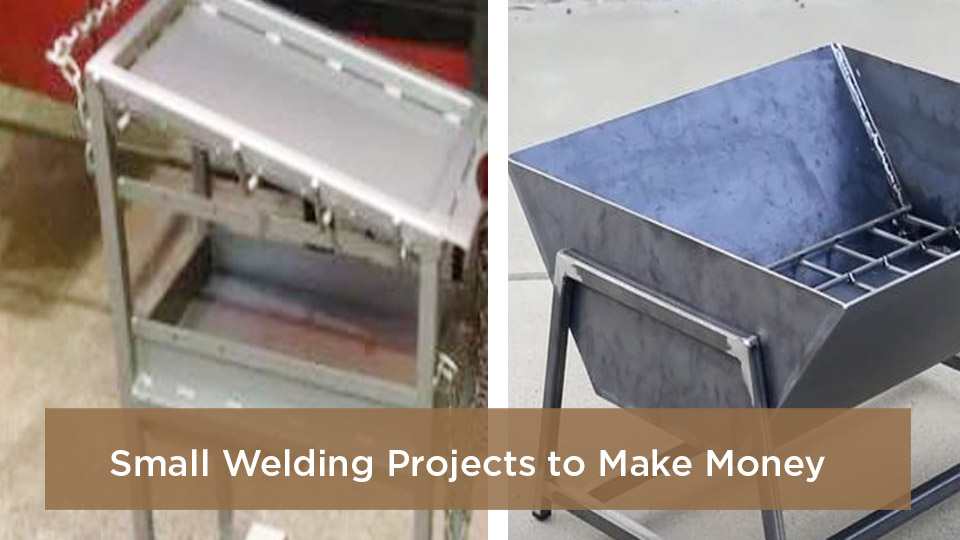
photo by @ wcwelding & yeswelder
Why Start with Small Welding Projects for Extra Income
Turning your torch into a money-maker starts small for a reason—it’s low-risk and builds confidence. As a hobbyist or pro dipping into side gigs, these projects let you use scrap or cheap stock, minimizing upfront costs while testing the waters.
Think about it: in the US, with shops charging premium for custom work, DIYers and small farms often seek affordable fixes from locals like you. I’ve made a few hundred bucks in a weekend repairing trailers or building racks, and it beats letting tools gather dust.
The key is focusing on demand—stuff people need but hate paying big for, like garden tools or shop organizers. Safety ties in here too; poor welds on something like a gate could fail and hurt someone, so always prioritize joint prep and filler choice for integrity.
Cost-wise, these keep you efficient: quick turnaround means more projects, more pay. Common pitfall? Rushing without checking material compatibility—I’ve cracked welds from mismatched metals, so match your filler to the base for strong bonds.
Start by sourcing local scrap yards for deals on steel tubing or plate. Network at farmers’ markets or online groups; word spreads fast when you deliver quality. This isn’t get-rich-quick—it’s steady, skill-building income that feels good.
Essential Equipment for Beginner-Friendly Welding Side Hustles
Before firing up, gear up right. For small projects, a basic MIG welder like those from US brands handles most jobs—versatile for steel and aluminum without fancy setups. Pair it with an angle grinder for clean cuts and a good clamp set to hold pieces steady. Safety gear is non-negotiable: helmet with auto-darkening lens, leather gloves, and FR jacket protect against arcs and spatter.
I’ve learned the hard way—skimp on ventilation, and fumes build up fast in a garage. Use a fan or exhaust hood, especially for indoor work. For processes, MIG’s forgiving for newbies; set voltage around 18-20V and wire speed to match your material thickness—say, 0.030-inch wire for 1/8-inch plate. Prep tip: grind joints to bright metal to avoid porosity from rust or paint.
Compare setups in a quick table to see what fits your budget:
| Equipment Type | Pros | Cons | Best For |
|---|---|---|---|
| MIG Welder | Easy to learn, fast on thin stock | Needs gas for clean welds | Furniture, racks |
| Stick Welder | Cheap, works outdoors | Sloppy on small pieces | Repairs, farm gear |
| TIG (Advanced) | Precise, clean finishes | Steeper learning curve | Art, custom details |
Personal story: Early on, I botched a rack with wrong polarity on my stick setup—arc wouldn’t stabilize. Flip to DCEN for most electrodes, and you’re golden. Invest in quality consumables; cheap tips clog and waste time.
Safety First: Protecting Yourself on DIY Welding Builds
Safety isn’t a checkbox—it’s what keeps you welding tomorrow. In small projects, sparks and UV rays sneak up quick, so gear up like you’re hitting a live site: full coverage clothing, no synthetics that melt. Helmets shield eyes from “flash” burns; I’ve got a scar from forgetting mine once—lesson learned.
Ventilation’s huge for DIYers in garages. Fumes from galvanized steel can sicken you fast, so work outside or with a respirator. Ground your machine properly to dodge shocks; wet floors are a no-go. Fire watch: Have an extinguisher handy—spatter ignites oil rags easy. Common mistake? Cluttered spaces leading to trips; clear your area, keep flammables away.
For joint prep, wear gloves when grinding to avoid slips. Always test welds visually and with a hammer tap—cracks mean redo. Follow AWS basics: no loose hair or jewelry. Pro tip: Take breaks to avoid fatigue; a tired welder makes sloppy, unsafe beads.
Building Custom Metal Brackets and Holders
Metal brackets are a bread-and-butter project—simple, sellable, and practical for shelves or machinery mounts. Folks need ’em for garages, farms, or workshops, and you can charge $20-50 each depending on size.
Start with 1/4-inch steel plate or angle iron. Cut to shape with a chopsaw, grind edges clean. For MIG, set for short arc: 150-200 amps on 1/8-inch stock. Tack corners first, then run beads, weaving slightly for penetration without burn-through.
Why use ’em? They add strength where wood fails, compatible with most metals via ER70S-6 wire. Anecdote: I built shelf brackets for a buddy’s shop; he loaded ’em heavy, no sag. Mistake fix: Overheating warps thin stock—cool between passes or use clamps.
Pros: Quick (under an hour), low material cost. Cons: Need precise angles for load-bearing. Tip: Powder coat for rust resistance, boosting sell value.
Crafting Welded Fire Pits and Grills for Outdoor Fun
Fire pits and grills scream backyard profit—custom ones fetch $100-300, perfect for Etsy or local sales. Use 1/4-inch plate for the bowl, legs from tubing.
Step-by-step: Cut circle from sheet (plasma cutter ideal), roll edges if needed. Weld legs at 45-degree braces for stability. For grills, add a hinged grate from expanded metal. MIG at 20V, slow travel to fuse without holes.
When to use: High-demand for gatherings; stainless for longevity. Safety: Ensure even welds to prevent leaks—test with water first. Common error: Ignoring expansion; preheat thick sections to avoid cracks.
I’ve sold a few to neighbors; one lasted seasons outdoors. Pro: Custom sizes win bids. Con: Heavy to ship. Prep tip: Bevel edges for better filler flow.
Creating Yard Art and Garden Trellises
Yard art like metal flowers or trellises turns scrap into $50-150 decor. Great for hobbyists—light welds, artistic flair.
For trellises: Bend rebar or rod into vines, weld to frame. Use TIG for fine details on thin wire. Why? Supports plants, adds charm; galvanized for weather.
Anecdote: Welded horseshoe art for a fair—sold quick. Mistake: Weak joints from dirty metal; always degrease. Settings: Low amps (80-100) to avoid warping.
Pros: Scrap-friendly, creative. Cons: Artistic skill needed. Tip: Varnish for color pop.
Repairing Trailers and Farm Equipment
Trailer repairs are gold for side income—$200+ per job. Fix hitches, ramps with stick or MIG.
Steps: Inspect cracks, grind out bad welds. Use 7018 rod for strong outdoor bonds. Why? Farmers need reliable gear; codes like AWS D1.1 guide integrity.
Story: Patched a boat trailer; owner raved. Fix: Porosity from wind—shield better. Pros: Repeat clients. Cons: Travel time.
Making Shooting Targets and Tool Racks
Targets from AR500 plate: Cut shapes, weld stands. $30-80 each for ranges.
Racks organize shops—tube frames, hooks. MIG simple. Safety: Heat-treated plate to avoid ricochet.
Mistake: Dull grinder blades leave residue—clean for fusion. Pros: Durable sellers. Cons: Noise in testing.
Pros and Cons of Popular Small Projects
| Project | Pros | Cons |
|---|---|---|
| Brackets | Fast, cheap materials | Basic, less creative |
| Fire Pits | High sell price, fun | Weatherproofing needed |
| Yard Art | Unique, scrap-based | Skill-dependent |
| Repairs | Steady local demand | Variable jobs |
Balance with your setup—start simple.
Marketing Your Welded Goods Locally and Online
Sell at markets or Facebook; photos highlight clean welds. Price for profit: Materials + time + 50% markup. Build trust with guarantees.
I’ve networked at shows—leads pour in. Avoid: Undercutting yourself; value quality.
Wrapping Up
Small welding projects to make money boil down to picking high-demand builds like brackets or fire pits, nailing safety and prep, and marketing smart. You’re now geared to spot opportunities, avoid pitfalls like poor settings, and deliver welds that hold up under real use.
With these insights, grab your helmet and start that first gig—you’ve got the skills to turn sparks into dollars. Always document your process; it’ll refine your technique and impress clients.
FAQs
Can Beginners Profit from Small Welding Projects?
Absolutely, start with MIG on simple brackets—low skill barrier, quick sales build experience and cash.
What’s the Safest Way to Weld at Home?
Ventilate well, wear full PPE, clear flammables, and ground equipment to prevent shocks or fires.
How Do I Price My Welding Side Hustles?
Factor materials, time (e.g., $50/hour), and markup—aim 2-3x costs for profit without scaring buyers.
Common Mistakes to Avoid in These Builds?
Dirty prep causes weak welds; always grind clean. Wrong amps burn through—test on scrap first.
Where to Sell Custom Welded Items?
Local markets for repairs, Etsy for art—highlight US-made durability to stand out.


