
When you’re tackling car repairs at home, one question often pops up: do you need to disconnect the battery when welding an exhaust? It’s a lot like deciding whether to use the right cleaning product when removing stubborn bathroom stains—the right step can save you from big headaches later. Just as disinfecting surfaces prevents hidden damage and germs, disconnecting the battery protects sensitive electronics from harmful electrical surges during welding.
Many DIYers and homeowners worry about safety, costly repairs, or whether skipping this step will cause long-term issues. In this guide, we’ll clear up the confusion, share practical safety tips, and explain why treating your car’s electrical system with the same care as your cleaning routine makes all the difference. By the end, you’ll know exactly how to protect your vehicle and work with confidence.
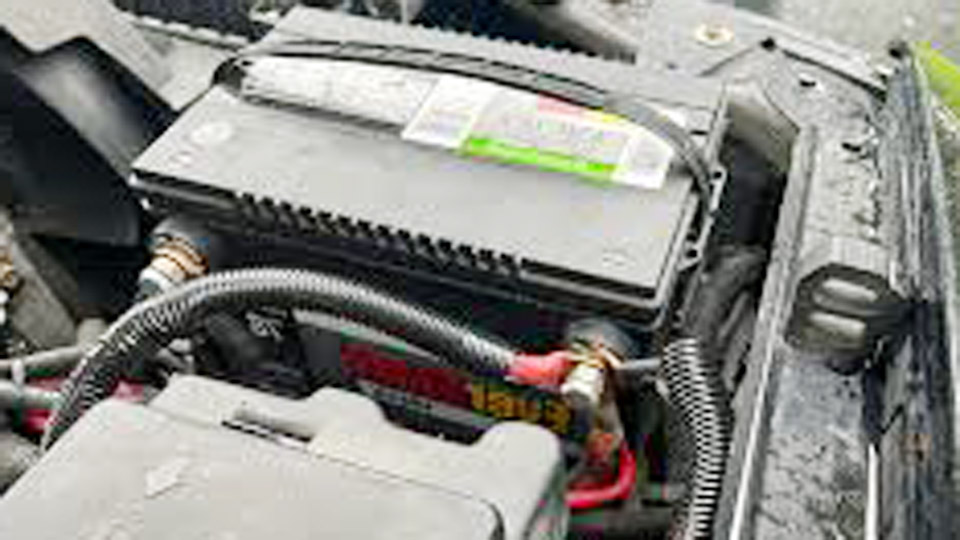
Image by fb
Why Disconnect the Battery When Welding on a Vehicle
When you’re welding on a vehicle, especially the exhaust, you’re dealing with high amperage currents flowing through metal. The battery is the heart of the electrical system, and if it’s connected, that current might find a path through wires, sensors, or the ECU—causing spikes that damage components.
I remember my first time welding an exhaust manifold on a buddy’s Ford F-150 without disconnecting the battery. Everything seemed fine until the truck wouldn’t start—turned out I zapped a sensor. Lesson learned: disconnecting isolates the system, reducing risks. It’s not always mandatory for older rides with minimal electronics, but for anything post-2000, it’s a must to protect those pricey modules.
Why use it? Safety first—avoids fires or shocks—and maintains weld quality by preventing interruptions from electrical issues.
Practical know-how: Always disconnect the negative terminal first to avoid sparks, then the positive. Store the cables away from terminals.
Risks of Not Disconnecting the Battery During Exhaust Welding
Skipping this step can lead to big problems. Voltage spikes from the welder can travel through the chassis, hitting the alternator, ECU, or ABS system. On exhaust work, where you’re often under the vehicle near wiring harnesses, it’s easy for current to jump.
One common risk is burning out bearings or bushings if the ground isn’t perfect—current flows through them instead. I’ve seen pros lose an entire transmission sensor this way. For DIYers, it might mean a dead battery or fried radio. In terms of cost efficiency, a $20 battery disconnect tool beats a $500 ECU replacement any day.
When to worry most: On modern cars with CAN bus systems, where everything’s interconnected. Older carbureted engines? Less risk, but still smart to disconnect.
How to Safely Weld Exhaust on a Vehicle
Welding exhaust safely starts with prep. Exhaust pipes are usually mild steel or stainless, so match your process—MIG for quick repairs, TIG for precise, clean work on stainless.
First, jack up the vehicle securely and support it with stands. Remove any heat shields or brackets in the way. Clean the area with a wire brush to remove rust or coatings—exhaust gets grimy fast.
Disconnect the battery: Negative first, then positive. If the ECU is nearby (like on some trucks), unplug it too. Set your welder: For MIG on 1/8-inch mild steel pipe, I run 18-20 volts, 150-200 amps, with 75/25 argon/CO2 gas at 20-25 CFH. Use ER70S-6 wire for compatibility.
Ground close to the weld—clamp it on the pipe itself if possible, not the frame far away. This keeps current localized.
Weld in short bursts to avoid warping the thin metal. Back-purge with argon for stainless to prevent sugaring.
After welding, reconnect everything in reverse order and test the vehicle.
Proper Grounding Techniques for Vehicle Welding
Grounding is your best friend here. The ground clamp completes the circuit, and placing it wrong sends current through the vehicle’s internals.
How it works: Current flows from the electrode to the work, back through the ground to the welder. On vehicles, a distant ground means it might arc through axles or wiring.
Tip: Clamp directly on the exhaust section you’re welding. If that’s not possible, use the closest clean metal on the frame. Avoid painted or rusty spots—scrape them clean.
Personal anecdote: I once grounded on a painted frame while fixing a muffler—sparks flew everywhere, and I melted a nearby wire. Fix: Always test continuity with a multimeter before starting.
For pros: In shops, we use dedicated grounding straps or anti-spike protectors clipped to the battery terminals.
Common Mistakes When Welding Exhaust and How to Fix Them
We all mess up sometimes. Top mistake: Not disconnecting the battery, leading to electronic gremlins. Fix: Make it a habit, like wearing gloves.
Another: Poor joint prep. Exhaust pipes corrode, so if you don’t clean thoroughly, welds crack. Use a flap disc on an angle grinder for prep.
Overheating thin pipes—warps them or burns through. Fix: Lower amps, weld intermittently, let cool.
Using wrong filler: Mild steel wire on stainless causes rust. Match materials—use 308L rod for 304 stainless.
Machine settings tip: For TIG on exhaust, set 80-120 amps, DCEN, with 2% thoriated tungsten sharpened to a point.
Welding Processes for Exhaust Repairs: MIG vs TIG vs Stick
Choosing the right process matters for exhaust work. MIG is fast and forgiving for DIYers—great for patching holes or replacing sections.
How MIG works: Wire feeds through the gun, melts with arc, shielded by gas. Use for mild steel pipes.
Pros: Quick, less skill needed. Cons: More spatter, harder in tight spots.
TIG: Precise, clean welds for stainless exhausts. Use AC for aluminum if needed, but DC for steel.
Pros: No spatter, strong joints. Cons: Slower, requires more practice.
Stick: Rare for exhaust due to slag, but okay for thick pipes in the field.
Comparison table:
| Process | Best For | Pros | Cons | Settings Tip |
|---|---|---|---|---|
| MIG | Mild steel repairs | Fast, easy penetration | Spatter, gas needed | 18-22V, 150-200A |
| TIG | Stainless precision | Clean, strong | Slow, skill-intensive | 80-120A, 15-20 CFH argon |
| Stick | Field work on thick metal | Portable, no gas | Slag cleanup, rough finish | 90-140A, 6011 rod |
I prefer MIG for most exhaust jobs—gets it done without fuss.
Step-by-Step Guide to Welding a Vehicle Exhaust System
Let’s walk through it like I’m showing a new trainee.
- Safety first: Gloves, helmet, fire extinguisher. Disconnect battery—negative, then positive.
- Inspect: Find the damage—cracks, holes, rust.
- Prep: Cut out bad section with a sawzall. Bevel edges for better penetration.
- Clean: Wire brush or grinder to shiny metal.
- Fit-up: Clamp new pipe or patch in place. Tack weld lightly.
- Ground: Clamp near the joint.
- Weld: Start at tacks, fill in with beads. For MIG, use stringer beads.
- Cool: Let it air cool, no water—warps metal.
- Finish: Grind smooth if needed, coat with high-temp paint.
- Reconnect battery, start engine, check for leaks.
Pro tip: Use a backer plate for thin metal to prevent blow-through.
Equipment and Tools for Safe Exhaust Welding
You need reliable gear. A good MIG welder like the Lincoln 140 or Miller 211 handles most jobs.
Tools: Angle grinder, clamps, wire brush, multimeter for checking grounds.
Safety: Auto-darkening helmet, leather gloves, respirator for fumes—exhaust welding kicks up nasty stuff.
For students: Start with a basic 110V welder for practice.
In US shops, follow OSHA guidelines—ventilate well to avoid carbon monoxide.
Filler Materials and Compatibility for Exhaust
Match filler to base metal. For mild steel exhaust, ER70S-6 wire or 6013 rod.
Stainless: 308L or 316L for corrosion resistance.
Why? Mismatch leads to cracks or rust. I once used wrong wire on a catalytic converter flange—rusted in months.
Tip: For high-heat areas, use nickel-based fillers for better durability.
Vehicle Welding Codes and Best Practices in the US
In the US, follow AWS standards for structural welds, but exhaust is more about functionality.
For commercial work, check EPA rules on emissions—don’t weld over sensors.
Best practice: Document disconnecting battery in your job log for liability.
In my shop, we always unplug nearby modules per manufacturer specs—saves headaches.
Alternatives to Disconnecting the Battery
Some say it’s a myth—battery buffers spikes. But I still disconnect.
Alternative: Use a surge protector device that clips to terminals.
Or weld off-vehicle: Remove the exhaust entirely—safer, but more work.
For hobbyists: If you must weld connected, ground perfectly and keep amps low.
But honestly, disconnecting takes two minutes—worth it.
Real-World Applications: Welding Exhaust on Trucks, Cars, and Motorcycles
On trucks: Heavy-duty pipes, use stick for field repairs.
Cars: Tight spaces, MIG with small gun.
Motorcycles: Stainless, TIG for aesthetics.
I fixed a Harley exhaust without disconnecting once—old bike, no issues. But on a new Honda? Always disconnect.
Conclusion: Weld Exhaust with Confidence and Safety
Wrapping this up, the key takeaway is yes, disconnect the battery when welding exhaust to protect your vehicle’s electronics, ensure safety, and avoid costly fixes. We’ve covered why it matters, risks, processes like MIG and TIG, grounding tips, common mistakes, and step-by-step guides. Whether picking MIG for speed or TIG for precision, matching fillers, or setting your machine right, you’re now set to tackle exhaust repairs.
You’re more prepared because you know the real-world pitfalls—I’ve shared my anecdotes so you don’t repeat them. Grab your tools, disconnect that battery, and weld with confidence. Your rides (and wallet) will thank you. Always ground as close as humanly possible to the weld joint—it’s the single best way to minimize risks, battery disconnected or not.
FAQ
Why do welders disconnect the battery before working on exhaust?
Disconnecting isolates the electrical system, preventing welding current from damaging the ECU, sensors, or other electronics through voltage spikes or stray paths.
Can welding on a car without disconnecting the battery damage the alternator?
Yes, if current flows through the alternator due to poor grounding, it can overheat windings or diodes—always disconnect and ground properly to avoid this.
What welding process is best for stainless steel exhaust pipes?
TIG welding is ideal for stainless exhaust due to its precision and clean results, using 308L filler rod and argon shielding to prevent oxidation.
How do you ground properly when welding on a vehicle?
Clamp the ground directly on the part you’re welding or the closest clean metal, avoiding distant frame points to prevent current from traveling through bearings or wiring.
Is it safe to use MIG welding on a car exhaust system?
Absolutely, MIG is great for quick exhaust repairs on mild steel—set to 18-22 volts, use ER70S-6 wire, and ensure good gas coverage for strong, leak-free joints.


