
If you’ve ever wondered, “Can you weld pot metal?” you’re not alone. As someone who’s spent years tinkering with welding projects, I’ve faced this question myself. Pot metal is a bit of a mystery in the welding world. It’s cheap, widely used, and found in everything from vintage car parts to antique trinkets.
But welding it? That’s where things get tricky. Don’t worry, though—I’ve been down this road, and I’m here to share everything I’ve learned. If you’re a beginner or a seasoned welder, this guide will walk you through the ins and outs of welding pot metal, step by step.
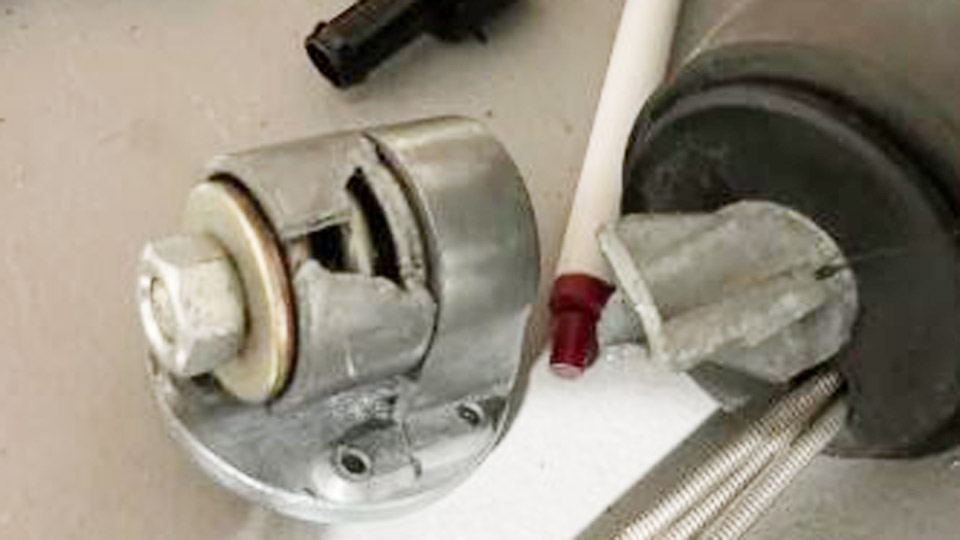
Photo by reddit
What Is Pot Metal, Anyway?
Before we get into welding, let’s talk about what pot metal actually is. Pot metal is a term that gets thrown around a lot, but it’s not a single material. It’s a mix of low-melting-point metals like zinc, aluminum, tin, copper, and sometimes lead or magnesium.
Manufacturers love it because it’s cheap and easy to cast into intricate shapes. You’ll find it in things like old car emblems, die-cast toys, or even budget-friendly jewelry.
The catch? Pot metal’s composition isn’t consistent. One piece might have more zinc, while another leans heavily on aluminum. This inconsistency makes welding a challenge. When I first tried welding pot metal, I had no idea what I was dealing with.
The piece melted too fast, and I ended up with a mess. Knowing what pot metal is—and how unpredictable it can be—is the first step to tackling it.
Why Is Welding Pot Metal So Difficult?
Welding pot metal isn’t like welding steel or aluminum. The biggest hurdle is its low melting point, which can be as low as 600°F for some alloys. Compare that to steel, which melts at around 2,500°F, and you can see why pot metal is so finicky. Heat it too much, and it turns into a puddle. Heat it too little, and the weld won’t stick.
Another issue is its mixed composition. Since pot metal is a blend of different metals, each with its own melting point, you’re basically trying to weld a material that doesn’t play by consistent rules. Impurities in the metal can also cause problems like porosity (tiny holes in the weld) or cracking.
I remember my first attempt—bubbles formed in the weld, and it looked like Swiss cheese. Frustrating? You bet. But with the right approach, you can overcome these challenges.
Can You Weld Pot Metal? The Short Answer
Yes, you can weld pot metal! But it’s not a walk in the park. You’ll need the right tools, techniques, and a lot of patience. The most common methods are TIG (Tungsten Inert Gas) welding and soldering. Each has its pros and cons, and I’ve tried both over the years.
TIG welding gives you more control over heat, which is critical for pot metal. Soldering, on the other hand, is easier for beginners but doesn’t always produce the strongest bond. Let’s break down these methods so you can decide what’s best for your project.
Tools and Materials You’ll Need
Before you start welding pot metal, you’ll need to gather some essentials. Here’s what I keep in my workshop when I’m working with this material:
| Tool/Material | Purpose |
|---|---|
| TIG Welder | Provides precise heat control for welding pot metal. |
| Soldering Iron or Torch | Used for low-temperature soldering, ideal for delicate repairs. |
| Filler Rods (Zinc-Based) | Matches pot metal’s composition for stronger welds. |
| Flux | Cleans the surface and prevents oxidation during soldering. |
| Wire Brush or Sandpaper | Removes dirt, paint, or corrosion for a clean welding surface. |
| Safety Gear (Gloves, Helmet) | Protects you from bright light, sparks, and heat. |
| Cleaning Solvents | Ensures the metal is free of grease or oil before welding. |
Having the right tools makes all the difference. I learned this the hard way when I tried using a cheap soldering iron that couldn’t maintain a steady temperature. Trust me—invest in quality equipment, and you’ll save yourself a lot of headaches.
Preparing Pot Metal for Welding
Preparation is everything when welding pot metal. The surface needs to be spotless. Any dirt, grease, or oxidation can ruin your weld. Here’s how I prep my pot metal pieces:
First, I clean the surface with a wire brush or sandpaper to remove any rust or paint. If the piece is greasy, I wipe it down with a solvent like acetone. Next, I check for cracks or damage. Pot metal is prone to hidden flaws, so I inspect it carefully. If I’m TIG welding, I make sure to grind the edges to create a clean, beveled surface for the weld to penetrate.
One time, I skipped the cleaning step because I was in a rush. Big mistake. The weld wouldn’t stick, and I had to start over. Take your time with prep—it’s worth it.
TIG Welding Pot Metal: My Go-To Method
TIG welding is my favorite way to weld pot metal. It’s precise, and you can control the heat to avoid melting the base material. Here’s how I do it:
Set Up Your Welder: Use a TIG welder with a low-amperage setting, usually between 20-50 amps, depending on the thickness of the metal. I start low and adjust as needed.
Choose the Right Filler Rod: Zinc-based filler rods work best because they match pot metal’s composition. Aluminum rods can work, but they’re trickier.
Use Argon Gas: Pure argon shielding gas protects the weld from contamination.
Weld Slowly: Apply short, controlled bursts of heat to avoid overheating. I move the torch in small circles to spread the heat evenly.
Cool Gradually: Let the piece cool naturally to prevent cracking.
The first time I TIG welded pot metal, I was nervous about burning through. But with practice, I got the hang of keeping the heat low and steady. It’s like learning to ride a bike—once you find your balance, it gets easier.
Soldering Pot Metal: A Beginner-Friendly Option
If TIG welding feels intimidating, soldering is a great alternative. It’s less technical and works well for small repairs or decorative pieces. Here’s my soldering process:
- Clean the Surface: Just like with TIG welding, start with a clean piece. I use a wire brush and solvent.
- Apply Flux: Flux keeps the metal from oxidizing and helps the solder flow. I brush it on generously.
- Heat the Metal: Use a soldering iron or torch to gently heat the area. Don’t overdo it—pot metal melts fast.
- Add Solder: Use a low-melting-point solder, like one designed for pot metal or aluminum. I let it flow into the joint naturally.
- Clean Up: Wipe away excess flux and polish the area for a clean finish.
Soldering saved me when I was restoring an old car emblem. The piece was too thin for TIG welding, but soldering gave me a strong, clean repair. It’s not as durable as a TIG weld, but for non-structural fixes, it’s perfect.
Common Mistakes to Avoid
Welding pot metal is a learning curve, and I’ve made my fair share of mistakes. Here are some pitfalls to watch out for:
Overheating: Too much heat will melt the metal into a blob. I always keep my welder on the lowest setting that gets the job done.
Poor Cleaning: Skipping the prep work leads to weak welds. I learned this after a weld failed because of leftover grease.
Wrong Filler Material: Using a filler that doesn’t match the pot metal’s composition can cause cracks. Stick to zinc-based rods for best results.
Rushing the Process: Patience is key. Rushing leads to sloppy welds and frustration.
I once tried welding a pot metal piece with a MIG welder, thinking it would be faster. It was a disaster—the metal warped, and I had to scrap the project. Stick to TIG or soldering for the best results.
When Should You Weld Pot Metal?
Not every pot metal project needs welding. I’ve learned to ask myself a few questions before starting:
- Is the piece structural? If it needs to hold weight or stress, TIG welding is the way to go.
- Is it decorative? Soldering works fine for non-load-bearing repairs, like fixing an antique figurine.
- Can I replace it? Sometimes, it’s easier to buy a new part than to wrestle with welding pot metal.
I once spent hours trying to weld a broken pot metal car part, only to realize a replacement was available online for $20. Lesson learned—know when welding is worth the effort.
Tips for Success
Here are some tips I’ve picked up over the years to make welding pot metal easier:
Practice on Scrap: Before tackling your project, practice on a similar piece of pot metal. It helps you get a feel for the material.
Use Low Heat: Always start with the lowest heat setting and increase gradually if needed.
Work in a Cool Environment: Pot metal is sensitive to temperature, so avoid welding in a hot garage if possible.
Keep It Steady: A steady hand is crucial for clean welds. I rest my arm on a table to reduce shaking.
These tips have saved me countless times. Welding pot metal is like cooking a delicate dish—precision and patience are everything.
Comparing TIG Welding and Soldering for Pot Metal
Still unsure which method to choose? Here’s a quick comparison based on my experience:
| Factor | TIG Welding | Soldering |
|---|---|---|
| Strength | Stronger, ideal for structural repairs | Weaker, best for decorative or light fixes |
| Skill Level | Requires experience and precision | Beginner-friendly |
| Equipment Cost | Expensive (TIG welder, gas, etc.) | Affordable (soldering iron or torch) |
| Heat Control | Excellent, precise control | Moderate, harder to control on thin pieces |
| Appearance | Clean, professional finish | Decent, may show solder lines |
For me, TIG welding is the gold standard for pot metal, but soldering is a great starting point if you’re new to this.
Safety First: Protecting Yourself and Your Workspace
Welding pot metal can release harmful fumes, especially if the alloy contains lead or zinc. I always take these precautions:
- Wear a Respirator: A good respirator filters out toxic fumes. I never weld without one.
- Use Proper Ventilation: Weld in a well-ventilated area or use a fume extractor.
- Protect Your Eyes and Skin: A welding helmet and gloves are non-negotiable.
- Keep a Fire Extinguisher Nearby: Pot metal can catch fire if overheated, so be prepared.
I had a close call once when I didn’t ventilate my workspace properly. The fumes gave me a headache for hours. Don’t skip safety—it’s not worth the risk.
Conclusion: Mastering the Art of Welding Pot Metal
Welding pot metal isn’t easy, but it’s absolutely doable with the right knowledge and tools. Whether you’re restoring a vintage car part or fixing a family heirloom, understanding the material and choosing the right technique can make all the difference.
I’ve had my share of failures, but each one taught me something new. TIG welding offers strength and precision, while soldering is a simpler option for smaller jobs. Whatever method you choose, take your time, prep carefully, and prioritize safety.
If you’re sitting there wondering if you can tackle your pot metal project, my answer is yes—you can! Start small, practice, and don’t be afraid to make mistakes. Welding pot metal is like solving a puzzle. It’s challenging, but when you get it right, it’s incredibly rewarding. So grab your tools, fire up that welder, and give it a shot. You’ve got this!
Frequently Asked Questions
What is pot metal made of?
Pot metal is a mix of low-melting-point metals like zinc, aluminum, tin, copper, and sometimes lead or magnesium. The exact mix varies, which is why it’s tricky to weld.
Can I use a MIG welder for pot metal?
I don’t recommend it. MIG welding produces too much heat for pot metal, which can cause it to melt or warp. Stick to TIG welding or soldering for better results.
How do I know if my pot metal contains lead?
It’s hard to tell without testing, as pot metal’s composition isn’t standardized. If you suspect lead, wear a respirator and work in a well-ventilated area to stay safe.
Is soldering pot metal as strong as welding?
No, soldering creates a weaker bond than TIG welding. It’s great for decorative fixes but not ideal for parts that need to bear weight or stress.
Can I weld pot metal without special equipment?
You’ll need at least a soldering iron or a TIG welder. Without these, it’s nearly impossible to get a good bond due to pot metal’s low melting point.
What’s the best filler rod for welding pot metal?
Zinc-based filler rods are the best match for pot metal. They melt at a similar temperature and create a stronger bond than aluminum rods.


