
Low hydrogen electrodes play a crucial role in welding, especially when working with high-strength steels and applications that require strong, crack-resistant welds. If you’ve spent any time around welding, you’ve probably heard the term “low hydrogen electrodes.” But what exactly are they used for? Why are they so important?
I’ve worked with these electrodes for years, and I can tell you that they’re not just another type of welding rod. They’re designed to prevent hydrogen-related weld defects, making them essential for critical welding applications.
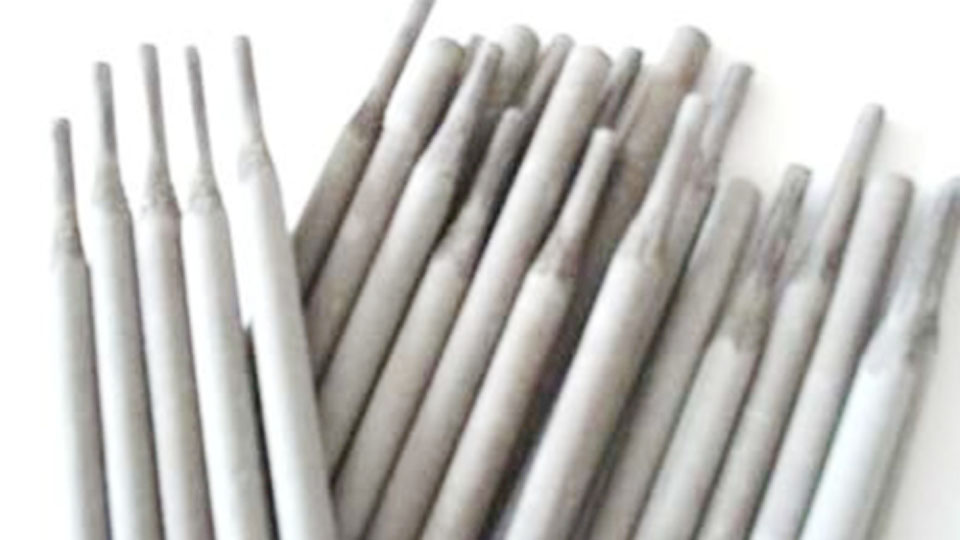
Image by tradeindia
If you’re welding bridges, pipelines, or structural components, using the right electrode can mean the difference between a strong, long-lasting weld and a costly failure. Let’s dive into the details of where and why low hydrogen electrodes are used.
What Are Low Hydrogen Electrodes?
Low hydrogen electrodes are a special type of welding rod designed to produce welds with minimal hydrogen content. Hydrogen can cause cracks and other defects in a weld, particularly in high-strength and thick steels. These electrodes help prevent that by limiting moisture absorption, which is the primary source of hydrogen contamination.
A common example is the E7018 electrode, which is widely used in structural welding. The key characteristic of these electrodes is their special flux coating, which has low moisture content and provides excellent arc stability and weld quality.
Why Are Low Hydrogen Electrodes Used?
Low hydrogen electrodes are used in welding applications where weld integrity is critical. Their primary function is to prevent hydrogen-induced cracking, which can weaken a weld and lead to failure over time.
These electrodes are commonly used for:
- Structural welding in buildings and bridges
- Pressure vessel fabrication
- Pipeline construction
- Heavy machinery repair
- Shipbuilding and offshore structures
- Power plant and boiler fabrication
By reducing hydrogen levels in the weld metal, these electrodes help ensure strong, ductile, and long-lasting welds.
Applications of Low Hydrogen Electrodes
Structural Welding
One of the most common uses of low hydrogen electrodes is in structural welding. When welding beams, columns, and supports for buildings or bridges, weld strength is crucial.
These structures need to withstand heavy loads and environmental conditions, so using a low hydrogen electrode like E7018 ensures the welds remain tough and resistant to cracking.
Pressure Vessels and Boilers
Pressure vessels store gases and liquids under high pressure, making weld integrity even more critical. A defective weld in a pressure vessel could lead to catastrophic failure. Low hydrogen electrodes, such as E8018, are commonly used to ensure that welds remain durable under extreme conditions.
Pipeline Welding
Pipelines transport oil, gas, and other fluids over long distances. Since pipelines are often exposed to fluctuating pressures and environmental stresses, their welds must be crack-resistant. Low hydrogen electrodes help prevent hydrogen-induced cracking, ensuring that the welds hold up over time.
Heavy Equipment and Machinery
Low hydrogen electrodes are often used in the repair and fabrication of bulldozers, cranes, and industrial machines. These machines undergo a lot of stress and impact, so their welds must be strong enough to handle the load. Using the right electrode prevents premature failure and extends the lifespan of the equipment.
Shipbuilding and Offshore Structures
In marine environments, welds must be resistant to corrosion, fatigue, and cracking. Offshore oil rigs, ships, and other marine structures rely on low hydrogen electrodes to maintain structural integrity, even in harsh conditions.
Power Plants and Energy Facilities
Welding in nuclear plants, coal-fired power plants, and renewable energy facilities requires the highest levels of precision and durability. Many components in power plants operate at high temperatures and pressures, making low hydrogen electrodes the best choice for ensuring weld reliability.
Choosing the Right Low Hydrogen Electrode for the Job
Different applications require different low hydrogen electrodes. Here’s a simple guide to help you choose the right one:
| Electrode Type | Tensile Strength | Recommended Uses | Notes |
|---|---|---|---|
| E7018 | 70,000 psi | Structural steel, bridges, heavy equipment | Most commonly used low hydrogen electrode |
| E8018 | 80,000 psi | Pressure vessels, pipelines | Higher strength than E7018 |
| E9018 | 90,000 psi | Shipbuilding, offshore structures | Used in high-stress environments |
| E11018 | 110,000 psi | Power plants, aerospace, high-strength steel | Ultra-high strength applications |
Choosing the right electrode depends on weld strength requirements, material type, and environmental conditions.
Storage and Handling of Low Hydrogen Electrodes
One of the biggest challenges with low hydrogen electrodes is keeping them dry. If they absorb moisture, their low hydrogen properties are compromised, leading to welding defects.
Here’s how to properly store them:
- Keep them in a rod oven at 250°F – 300°F to prevent moisture absorption.
- Never leave them exposed to air for long periods. If left out, they can absorb moisture, making them unusable.
- Rebake them if necessary, but only follow manufacturer guidelines. Some electrodes can be re-dried at 500°F – 800°F if they absorb moisture.
Proper storage ensures that these electrodes maintain their low hydrogen properties, leading to defect-free welds.
Advantages of Using Low Hydrogen Electrodes
Low hydrogen electrodes offer several benefits, making them the preferred choice for critical welding applications.
Prevents Hydrogen Cracking – The main advantage is their ability to prevent hydrogen-induced cracking, which is a common issue in high-strength steels.
Produces Strong and Ductile Welds – These electrodes create welds that are both strong and flexible, making them resistant to impacts and stress.
Improves Weld Appearance – Low hydrogen electrodes produce smooth, even weld beads with minimal spatter and easy slag removal.
Works Well on Dirty or Rusty Metal – While it’s always best to clean metal before welding, these electrodes can handle some contaminants better than other types.
Meets Industry Standards – Many construction codes and safety regulations require the use of low hydrogen electrodes for structural integrity and safety.
Conclusion
Low hydrogen electrodes are essential for welding applications where strength, durability, and crack resistance are crucial. If you’re welding bridges, pressure vessels, pipelines, or heavy machinery, using the right low hydrogen electrode ensures high-quality, long-lasting welds.
These electrodes are easy to identify by their AWS classification, such as E7018, and must be stored properly to maintain their properties. By choosing the right electrode and following proper storage practices, you can avoid weld failures and achieve professional results every time.
If you’re working on a project that requires high-strength steel or critical welds, don’t take chances—use low hydrogen electrodes and keep them dry. It’s the best way to ensure safe, strong, and reliable welds.
FAQs
What is the most commonly used low hydrogen electrode?
The most commonly used low hydrogen electrode is E7018, widely used for structural welding and general fabrication.
Why do low hydrogen electrodes need to be stored in a rod oven?
These electrodes absorb moisture easily, and if they become damp, they can cause weld defects and hydrogen cracking. Keeping them in a rod oven prevents this.
Can I use low hydrogen electrodes on rusty metal?
Yes, but it’s always best to clean the metal before welding. Low hydrogen electrodes handle some surface contaminants better than others, but clean metal always gives better results.
What happens if a low hydrogen electrode absorbs moisture?
If a low hydrogen electrode absorbs moisture, it loses its low hydrogen properties, increasing the risk of porosity and cracking. Some electrodes can be re-baked to remove moisture, but this depends on the manufacturer’s instructions.
Are low hydrogen electrodes only used for stick welding?
While stick welding (SMAW) is the most common application, low hydrogen welding wire is also available for MIG and flux-cored welding.
Low hydrogen electrodes play a crucial role in welding, especially when working with high-strength steels and applications that require strong, crack-resistant welds.
If you’ve spent any time around welding, you’ve probably heard the term “low hydrogen electrodes.” But what exactly are they used for? Why are they so important?


