I was helping a buddy patch an old trailer frame when he tossed me a handful of welding rods and said, “Pick the right one.” Easy to say—until you’re holding a mix of rods that all look identical but weld completely differently.
I struck an arc with the first one and immediately felt it wasn’t right: the puddle was too wild, penetration too shallow, and the bead looked like a chicken ran across it. That moment taught me fast that knowing your rods is just as important as knowing your machine.
The truth is, each welding rod has its own job, its own strengths, and its own attitude. Some dig hard through rust, others lay down smooth, clean beads, and a few will save your project when nothing else seems to work.
If you’ve ever wondered which rod to grab for thick plate, dirty metal, vertical runs, or those pretty stack-of-dimes finishes, stick with me. Once you understand the different types of welding rods—and what makes each one shine—you’ll weld with way more confidence and a lot fewer surprises.

Image by arccaptain
What Are Welding Rods?
Before we get into the different types of welding rods, let me explain what they are. Simply put, a welding rod is a filler metal used to join two pieces of metal together in a welding process. It’s usually made of a material that melts at a lower temperature than the base metal you’re welding, allowing it to form a solid bond once it cools down.
When you weld, you create an intense heat using an electric arc or another heat source to melt the base metal and the welding rod. The molten rod fills the gap between the workpieces and solidifies, making the connection. The coating on the welding rod plays a vital role too—it helps stabilize the arc and provides shielding to prevent contamination.
Why is the Right Welding Rod Important?
Choosing the right welding rod is like picking the right tool for a job. The wrong one can lead to weak welds, improper penetration, or defects in the final product. By understanding the different types of rods and their applications, you can ensure that your welds are strong, smooth, and safe.
Mild Steel Welding Rods (E6010, E6011, E7018)
Mild steel welding rods are among the most commonly used in welding, especially for general-purpose projects. These rods are perfect for welding mild steel and are great for beginners because of their ease of use.
E6010 Welding Rod
Known for its deep penetration, the E6010 rod is ideal for welding in positions where you need a strong, reliable bond. This rod is perfect for situations where you need a high-arc force.
E6011 Welding Rod
E6011 welding rod is versatile and great for welding dirty or rusted metal. It’s also capable of welding in all positions, which makes it a go-to rod for many professionals.
E7018 Welding Rod
E7018 welding rod Known for its smooth arc and low spatter, this is a low-hydrogen rod that is perfect for high-strength welding. It’s great for structural applications and works well on thicker materials.
Stainless Steel Welding Rods (E308, E309, E316)
Stainless steel welding rods are used for welding stainless steel materials. These rods are more resistant to corrosion than regular steel rods, making them perfect for industries that deal with food, chemicals, and harsh environments.
E308 Welding Rod
E308 welding rod is the standard for welding stainless steel to itself. It provides excellent corrosion resistance and a smooth finish.
E309 Welding Rod
Used for welding dissimilar metals, such as joining stainless steel to mild steel, the E309 rod provides a durable, corrosion-resistant bond.
E316 Welding Rod
E316 rod is best for welding stainless steel that will be exposed to high-temperature environments. It offers excellent resistance to heat and corrosion.
Cast Iron Welding Rods (NI-ROD, 99NI)
Cast iron welding rods are specifically designed for welding cast iron, which can be tricky to weld due to its brittleness. These rods are engineered to help prevent cracking and maintain the strength of the cast iron.
NI-ROD Welding Rod
One of the most popular rods for cast iron welding, NI-ROD is known for its ability to weld thin and thick cast iron without cracking. It’s also great for repairs in cast iron machinery and automotive parts.
99NI Welding Rod
This rod has a high nickel content, making it ideal for welding cast iron to other metals. It creates a strong, smooth bond with excellent wear resistance.
Tungsten Inert Gas (TIG) Welding Rods
TIG welding rods are used for the TIG welding process, which is a precise and clean method of welding. The rods come in various materials, depending on the metal you are working with.
Tungsten Electrode Rods (for TIG welding)
The most important part of TIG welding is the tungsten electrode, which produces the arc. The type of tungsten electrode depends on the material being welded, such as pure tungsten, thoriated tungsten, or ceriated tungsten.
Stainless Steel TIG Rods
For TIG welding stainless steel, these rods are designed to provide a clean, smooth weld with minimal spatter. They are available in different alloys, such as 308 and 316.
Aluminum TIG Rods
These rods are specifically designed for welding aluminum and its alloys. They provide a high-quality, strong weld.
Flux-Cored Arc Welding (FCAW) Rods
Flux-cored welding rods are similar to MIG welding, but they have a hollow core filled with flux. This flux acts as a shielding agent to protect the weld from contamination. FCAW rods are commonly used in construction, shipbuilding, and heavy manufacturing.
E71T-1 Welding Rod
This is one of the most common flux-cored welding rods for general-purpose welding. It’s great for welding mild steel in all positions and provides a clean, smooth weld.
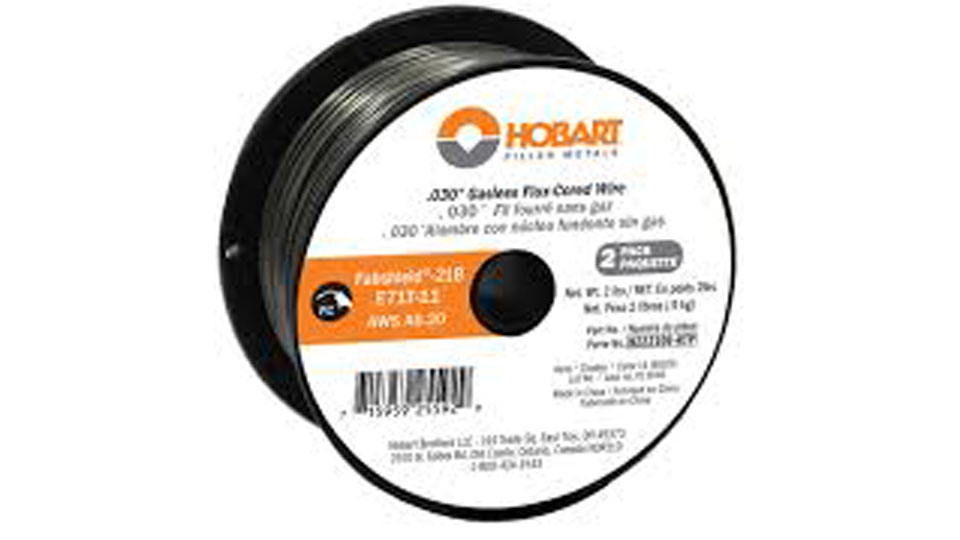
E71T-11 Welding Rod
E71T-11 rod is used for welding in less-than-ideal conditions, such as when there’s rust or dirt on the base metal. It’s also great for outdoor welding, as it’s resistant to wind and contaminants.
Aluminum Welding Rods
Aluminum welding rods are designed specifically for welding aluminum and aluminum alloys. Since aluminum is a tricky metal to weld due to its low melting point and high thermal conductivity, these rods are made to ensure you get a smooth and strong weld.
4043 Aluminum Welding Rod
4043 is one of the most popular rods for welding aluminum, 4043 is known for its smooth finish and good corrosion resistance. It works well with a wide range of aluminum alloys.
5356 Aluminum Welding Rod
The 5356 rod is known for its strength and durability. It’s ideal for welding aluminum in heavy-duty applications, such as marine environments.
Hardfacing Welding Rods
Hardfacing rods are used to apply a hard, wear-resistant surface to the metal. These rods are perfect for extending the life of parts that undergo extreme wear, such as mining equipment, conveyor belts, and machinery parts.
Stellite Hardfacing Rods
These rods are made of cobalt-based alloys that are ideal for high-temperature and high-wear applications. They are often used to restore parts and improve their service life.
Chromium Carbide Hardfacing Rods
For applications where abrasion resistance is needed, these rods are perfect. They provide excellent wear protection for parts like gears, blades, and hoppers.
MIG Welding Rods (GMAW)
MIG welding rods are used for the MIG welding process, which is often preferred for high-speed, large-scale production jobs. These rods are continuously fed through a gun into the weld pool.
ER70S-6 MIG Rods
ER70S-6 are commonly used for welding mild steel. They provide a clean weld with minimal spatter, making them great for automotive repairs and general fabrication work.
ER308L MIG Rods
ER308L are used for welding stainless steel with MIG welding. The ‘L’ in the designation indicates that the rod has low carbon content, making it ideal for welding stainless steel without the risk of carbide precipitation.
Considerations When Choosing a Welding Rod
Choosing the right welding rod can be a daunting task, but it boils down to a few simple factors:
Material Type
The first step is knowing what material you’re working with—whether it’s steel, aluminum, stainless steel, or cast iron. Different materials require specific rods.
Welding Process
Different rods are suited for different welding processes. For instance, TIG rods are used in TIG welding, while flux-cored rods are used in FCAW.
Weld Position
Some rods work better for certain positions. For example, 7018 rods are excellent for flat and horizontal positions, while 6010 rods are better suited for vertical and overhead positions.
Strength Requirements
Some rods are designed to provide a stronger bond than others. Choose the rod with the right tensile strength based on your project’s needs.
Environmental Conditions
If you’re welding outdoors or in a humid environment, you may need to choose a rod that is resistant to rust or moisture.
Conclusion
When you’re welding, the welding rod is an integral part of the process. Choosing the right rod can make a world of difference in the strength, appearance, and durability of your weld. If you’re working with mild steel, aluminum, or stainless steel, there’s a rod suited to every job.
Having used many of these rods in various projects over the years, I can tell you that knowing when and how to use each type is key to producing strong, clean welds.
If you’re a beginner just starting out or a professional looking to expand your skills, taking the time to understand the different types of welding rods will lead you to better results and fewer mistakes in your work.
Frequently Asked Questions (FAQs)
What type of welding rod should I use for aluminum
For aluminum welding, you should use aluminum welding rods such as the 4043 or 5356 rods. These rods are designed to provide strong, clean welds on aluminum materials.
Can I use a flux-cored welding rod for mild steel?
Yes, flux-cored rods like the E71T-1 and E71T-11 are great for welding mild steel, especially in outdoor conditions where wind may affect the shielding gas.
Which welding rod is best for cast iron?
If you’re welding cast iron, rods like the NI-ROD or 99NI are your best options. They provide good penetration and prevent cracking.
Can I use the same rod for TIG and MIG welding?
No, TIG welding requires specific tungsten electrodes, while MIG welding uses consumable wire rods. Each process has rods designed for its unique requirements.
What is the difference between an E6010 and an E7018 welding rod?
The E6010 rod is known for deep penetration and works well for welding in all positions, while the E7018 rod is a low-hydrogen rod that provides a smooth arc and is ideal for structural welding.