Welding titanium can feel intimidating at first. It’s not like welding mild steel or stainless. It’s a whole different ballgame—especially when you’re working on something as specialized as a titanium exhaust.
I’ve had my fair share of trial and error with titanium, and through the years, I’ve learned what works and what doesn’t.

Photo by reddit
If you’re a weekend fabricator or diving into your first big build, let me walk you through exactly how to weld a titanium exhaust. I’ll explain it like you’re sitting right here in the shop with me.
This guide is based on hands-on experience, with straightforward explanations and tips I wish someone had given me when I was getting started. Let’s get into it.
Titanium and Why It’s Special
Titanium is one of the strongest and lightest metals you can use for an exhaust. That’s why it’s so popular in performance and motorsport applications.
It’s also very reactive to air when it gets hot. This means if you don’t weld it properly, it can get brittle, weak, or discolored. And that’s not something you want in a high-performance exhaust.
Titanium has a very narrow window of acceptable welding conditions. That’s why it requires cleanliness, precise heat control, and full shielding from oxygen. If you treat it right, though, it rewards you with incredibly strong, beautiful welds that last.
Tools and Materials You’ll Need
Before you strike that arc, make sure you have the right tools and setup. Welding titanium isn’t something you can do halfway.
Here’s a quick list of what you’ll need:
| Tool or Material | Why You Need It |
|---|---|
| TIG Welder (with HF start) | Precision and control are a must for titanium. |
| Argon Gas (High Purity) | You need 100% pure argon—no mix—usually at 99.999% purity for shielding. |
| Gas Lens & Cup (Large Size) | Ensures wide and smooth argon flow for maximum shielding. |
| Titanium Filler Rods | Match your titanium tubing grade (usually Grade 2 or Grade 5 for exhausts). |
| Back Purge Setup | Oxygen can’t touch the inside of the tube. You’ll need a proper purge system. |
| Stainless Steel Wire Brush | Use one only for titanium—never share it with other metals. |
| Acetone or Cleaner | Titanium must be perfectly clean before welding. |
| Clean Gloves (Lint-Free) | Keeps your oils and dirt off the workpiece. |
If you’re short on any of these, I recommend holding off until you’re fully ready. Titanium doesn’t forgive mistakes like steel does.
Preparing the Titanium for Welding
Preparation is everything. If you don’t get the cleaning and setup right, your weld will turn purple, green, or even crumble over time. Here’s what I always do before welding titanium:
Cleanliness comes first
Wipe down each piece of tubing with acetone. Do this even if the metal looks clean. Oils from your hands can ruin a weld. Always wear clean gloves when handling titanium parts.
Use a dedicated wire brush
Only use a stainless-steel brush that’s reserved just for titanium. Contamination is a big deal. Even brushing with a tool that’s touched steel or aluminum can lead to weld failure.
Fit-up is key
Make sure your joints are tight and aligned before welding. Gaps make purging harder and require more filler, which increases the chance of contamination.
Setting Up Your Purge System
This is where a lot of people mess up. When you weld titanium, both the front and back of the weld need to be shielded from air. That means using a proper back purge setup.
Why purge?
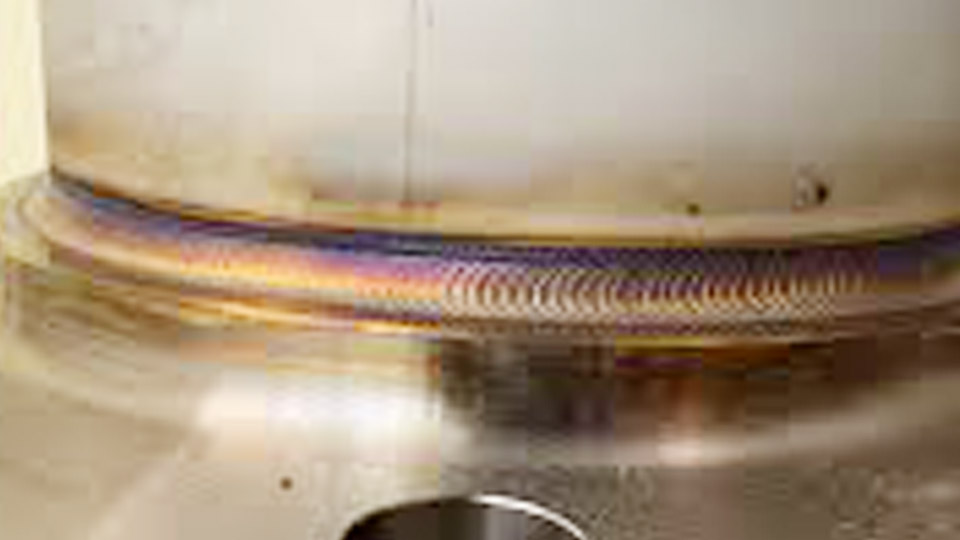
Titanium oxidizes when it gets hot and is exposed to oxygen. It turns colors and becomes brittle. A good weld will look silver, sometimes with a faint straw color. Blue and purple might look cool—but they’re signs of contamination.
To purge the exhaust tube:
- Seal both ends of the pipe using foil, rubber plugs, or purge caps.
- Run a small argon line into the pipe.
- Add a tiny vent hole on the opposite end so the gas can push out the air.
Let the argon flow for a couple of minutes before welding to fully displace the oxygen inside the pipe. It might seem like overkill, but trust me, it makes a massive difference.
TIG Welding Technique for Titanium Exhaust
We get to the fun part. TIG welding titanium is all about control and patience. Here’s how I do it:
Start with the right settings
Use a TIG welder with a high-frequency (HF) start. I usually run between 35–60 amps depending on the thickness of the tube. For exhaust systems, you’re probably working with 1mm to 1.2mm wall thickness—Grade 2 or Grade 5 titanium.
Here are general settings to start with:
| Parameter | Suggested Value |
|---|---|
| Amperage | 35–60 A (depends on wall thickness) |
| Gas Flow Rate | 15–20 CFH (torch), 10–15 CFH (purge) |
| Electrode | 2% Lanthanated or Pure Tungsten |
| Cup Size | #12 or larger gas lens recommended |
| Filler Rod Size | 1.0mm to 1.6mm |
Torch angle and movement
Hold the torch at about 10–15 degrees off vertical, and move slowly, keeping the arc short. The shorter your arc, the better the gas shielding. Move smoothly along the seam, adding just enough filler to create a nice even bead.
Avoid weaving
Weaving spreads out the heat and can lead to over-oxidation. A tight, straight pass is better.
Let it cool slowly
Don’t rush to move the piece or kill the gas right after finishing. Keep the argon flowing over the weld for at least 15–30 seconds to let the weld cool down while shielded. This step alone can make your welds cleaner.
Color Is a Clue
Titanium welds talk to you through color. Here’s a quick breakdown of what the weld colors mean:
| Weld Color | What It Means |
|---|---|
| Bright Silver | Perfect weld, no contamination |
| Light Straw | Acceptable, minimal oxidation |
| Dark Straw/Blue | Borderline – purge or heat issue |
| Purple/Green | Contaminated – redo recommended |
| Grey/White | Severely contaminated – unsafe weld |
If your weld turns colors beyond light straw, double-check your purge system, clean again, and adjust your travel speed or gas flow.
Mistakes and How to Avoid Them
I’ve seen and made plenty of mistakes while learning. If I could go back and warn myself, here’s what I’d say:
- Don’t skip purging. Even just one weld without it can ruin an entire section.
- Avoid moisture. Humid environments or wet gloves will cause porosity.
- Never touch hot titanium. Let it cool under argon shielding before handling.
- Don’t use too much heat. Titanium doesn’t glow like steel. It can overheat quickly.
- Clean everything—again and again. Even a fingerprint can ruin a weld.
Finishing Touches After Welding
Once you’ve finished welding the full system, inspect every weld visually. Look at the color and consistency. Run purge gas one more time through the whole pipe if you want to play it extra safe. If all looks good, you can begin cleaning off the outer surface.
If there’s any discoloration around the heat-affected zone, it’s fine to gently polish it off using Scotch-Brite pads or non-abrasive methods. Avoid grinding or sanding welds unless you absolutely have to.
Why Titanium Exhaust Welding Is Worth It
Welding titanium exhaust systems takes extra time and care, no doubt. But the result is a lightweight, high-strength, corrosion-resistant piece that performs better and lasts longer than almost anything else.
From racing bikes to high-performance street cars, a titanium exhaust gives both visual appeal and performance gains. And when you do it right, you’ll end up with something you can be proud of. The welds are like little trophies—each bead a reflection of your skill and patience.
Conclusion
If you were sitting here beside me asking how to weld a titanium exhaust, I’d say this: start slow, stay clean, and don’t cut corners. Titanium will humble you at first.
Once you get the hang of it, welding it becomes a really satisfying skill. Every clean, silver bead you lay down feels like a small win.
And don’t get discouraged if your first few tries come out rough. We’ve all been there. Just make sure you learn from each weld and keep practicing.
You’ll be amazed at the kind of results you can get with the right setup, some patience, and a bit of determination.
Frequently Asked Questions
What is the best shielding gas for titanium welding?
Pure argon with at least 99.999% purity is the best gas for titanium. No mixes—just high-quality argon.
Do I need to back purge titanium exhausts?
Yes, absolutely. Without back purging, the inside of the weld will oxidize and become brittle. It’s non-negotiable.
Can I weld titanium without a TIG welder?
No. TIG welding is the only method that provides the control and shielding necessary for titanium.
What grade of titanium is used for exhaust systems?
Most titanium exhausts are made from Grade 2 (commercially pure) or Grade 5 (6Al-4V alloy). Check your tubing before welding.
Why does my titanium weld turn blue or purple?
Those colors indicate oxidation. It means your shielding or purge gas isn’t doing its job properly. Improve your shielding and clean your material again.
How can I tell if a titanium weld is strong?
Color and consistency are good signs. Bright silver with smooth, even beads is what you want. If you see white or powdery welds, it’s time to cut it out and redo it.