If you’ve ever tried working with titanium jewelry, you already know—it’s a whole different beast compared to silver or gold. I remember the first time I sat down to solder a titanium ring. I assumed it would behave just like other metals I’d worked with. But it didn’t. It challenged me.
I had to learn everything from scratch—what tools to use, what not to do, and how to handle the metal so I didn’t end up ruining a beautiful piece.

Photo by vzoryzdarma
If you’re asking how to solder titanium jewelry, you’re in the right place. I’ve been through the trial and error. And I’ll walk you through what I’ve learned, what works, and what to avoid—whether you’re repairing a broken clasp or creating something entirely new. Let’s sit down and go over this together, just like if you were right here at my workbench.
Why Soldering Titanium Is Different from Other Metals
Titanium looks like it should be easy to work with. It’s strong, it doesn’t rust, and it has this beautiful natural luster. When it comes to soldering, it’s anything but simple.
Titanium doesn’t behave like silver or gold. It’s got a very high melting point—about 3,034°F (1,668°C). That’s much hotter than what standard jewelers’ torches can handle.
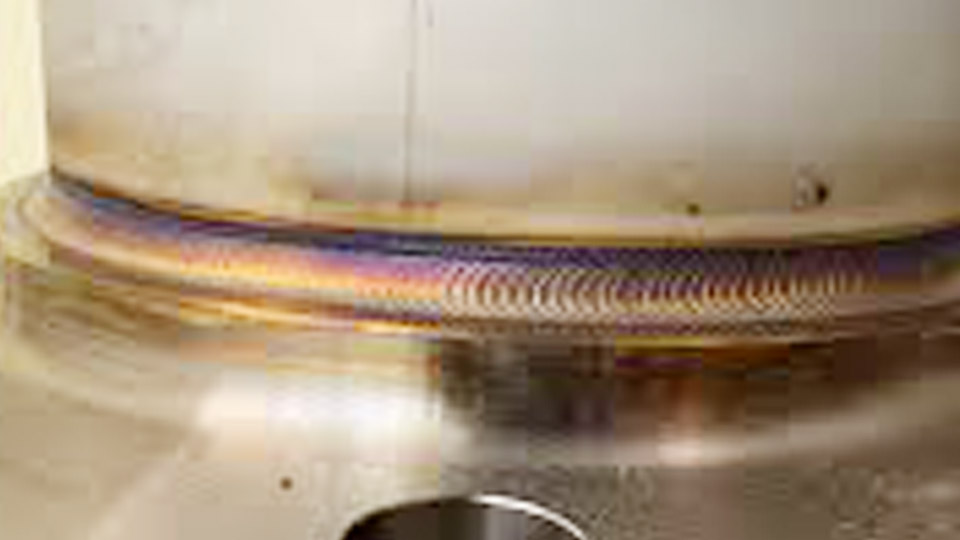
Once titanium gets hot, it forms an oxide layer that prevents most solders from sticking. This oxide layer develops incredibly fast, just by exposure to air at high temps.
That means if you’re going to solder titanium, you need a special approach. And more importantly, you need the right tools, a clean workspace, and a solid understanding of how titanium behaves under heat.
Can You Really Solder Titanium?
Yes, you can. But it’s not traditional soldering like we do with silver or gold. Most of the time, titanium jewelry isn’t soldered in the way you might expect. It’s either:
- Welded using specialized methods, like laser or TIG welding
- Mechanically joined, using screws or rivets
- Bonded using high-temperature brazing alloys, under special conditions
While people say “soldering,” what they often mean is one of these advanced techniques. If you’re trying to do basic soldering with a hand torch and silver solder, it’s not going to work. The solder won’t stick. Let me break it down further.
Best Techniques for Joining Titanium Jewelry
Depending on your tools and experience, there are a few different options you can explore.
Laser Welding
If you’re in a well-equipped jewelry studio, laser welding is your best friend. This method uses a highly focused laser beam to melt and fuse the titanium pieces together. It’s precise, clean, and doesn’t require solder.
I’ve used laser welding on titanium rings and earrings, especially when I want to maintain the integrity of the finish. It works beautifully. The best part? The heat-affected zone is tiny, so you don’t risk overheating the whole piece.
TIG Welding (Tungsten Inert Gas Welding)
This is another professional technique used to join titanium. TIG welding uses a tungsten electrode and a shielding gas like argon to prevent oxidation. You can add filler wire if needed. This process takes a little more practice, but it gives you a super-strong bond.
If you’re going this route, use titanium filler rods—not steel, not aluminum—just pure titanium. Also, make sure your workspace is clean and that you’re in a well-ventilated area.
Brazing with Special Alloys
This is the closest you’ll get to traditional soldering. Brazing is a method where you melt a filler material (usually at around 1,200°F to 2,000°F) to bond two pieces together.
However, with titanium, the filler has to be very specific—usually a silver-copper-tin alloy that’s made for high-temperature applications.
The tricky part? You need to do it in an oxygen-free environment, like a vacuum or under an inert gas atmosphere. If oxygen touches hot titanium, it ruins the joint.
Preparing Titanium Jewelry for Soldering or Welding
This part is critical. The cleaner your metal, the better your results. Here’s how I prep my titanium before any type of joining work:
- Clean the metal thoroughly. I use a degreaser or acetone to remove oils, dirt, or fingerprints.
- Use a stainless steel brush to lightly scrub the area to be joined.
- Avoid contamination. Don’t use tools that were used on other metals. Titanium picks up particles very easily.
- Work in a clean space. Dust and air particles can mess with your weld.
Think of it like painting a wall. If the surface isn’t prepped, the paint won’t stick. It’s the same with titanium.
Tools You’ll Need to Work with Titanium Jewelry
If you’re serious about soldering or welding titanium, here’s a list of tools I recommend keeping on hand:
| Tool | Purpose |
|---|---|
| Laser welder | Best for precise, clean joins |
| TIG welder with argon gas | For strong fusions with titanium filler |
| High-temp brazing kit | For advanced soldering with special alloys |
| Stainless steel tweezers | To avoid contamination |
| Acetone or alcohol | For cleaning surfaces |
| Titanium filler rods | Needed for TIG welding |
| Oxygen-free environment (or glove box) | Crucial for brazing without oxidation |
These aren’t your average jewelry tools. Some of them cost a bit more, but they’re worth the investment if you want quality results.
Challenges When Working with Titanium
Working with titanium comes with its own set of challenges. Here are a few I’ve faced over the years:
- Oxidation happens fast. You have a very short window to make a clean join.
- Standard flux doesn’t work. Don’t try using the same flux you use on silver or gold—it won’t help here.
- Titanium becomes brittle if overheated. Overheating can ruin the structural integrity.
- Color loss is common. Titanium can be anodized to show vibrant colors. Heat can destroy that finish if not managed well.
It took me a while to get the hang of it. I ruined a few pieces along the way, but every mistake taught me something new.
Tips for Getting the Best Results
If I could give you just a handful of tips based on everything I’ve learned, it would be these:
- Practice on scrap pieces first. Don’t start on your final project.
- Use only titanium-compatible materials. That means your filler, your rods, even your tweezers.
- Keep everything ultra-clean. I know I keep repeating this, but it matters more with titanium than almost any other metal.
- Control your heat. Go slow, be deliberate, and don’t blast the metal.
- Use shielding gas. Especially with TIG welding. It keeps the metal from oxidizing.
It’s like cooking with a very sensitive recipe. One wrong move and the whole thing can fall apart.
Soldering Titanium Jewelry at Home: Is It Possible?
Yes, but only if you’ve got the right tools. If you’re working at home with a basic torch, you probably won’t get the results you want. Titanium requires:
- High heat
- Inert gas shielding
- Very clean conditions
But I’ve seen home jewelers invest in small laser welders or create DIY glove boxes for brazing. It takes commitment, but if you’re passionate about titanium jewelry, it’s absolutely doable.
When to Avoid Soldering Altogether
Sometimes, the best option is to avoid soldering or welding completely. For instance:
- When the piece is anodized with colors
- When working with very thin or delicate designs
- If you don’t have proper heat control
In those cases, mechanical connections or cold joining techniques might be better.
Alternative Joining Methods for Titanium Jewelry
If soldering or welding isn’t ideal, consider these alternatives:
- Riveting
- Threaded connections
- Adhesive bonding (for low-stress pieces)
- Snap-lock designs
These methods are more beginner-friendly and don’t require heat. I often use them when I want to keep the color or avoid damaging a detailed design.
Is Titanium Worth the Effort?
In my opinion—yes. Titanium is stunning, modern, and incredibly durable. Once you master how to work with it, it opens up a whole new level of design possibilities.
It may take longer to learn, and the equipment is more advanced, but the payoff is worth it. I’ve made some of my favorite pieces from titanium, and my customers love how lightweight yet tough it feels.
Conclusion
So, how do you solder titanium jewelry? The short answer is—you usually don’t. You weld it, braze it with special alloys, or use mechanical methods. It’s not as straightforward as working with silver or gold, but it’s absolutely possible with the right approach.
The key is understanding titanium’s unique properties, using compatible tools and materials, and taking your time with preparation. Once you’ve got those things down, you’ll find titanium jewelry isn’t as intimidating as it seems.
If you’re just getting started, don’t get discouraged. It took me plenty of trial runs to get it right. Just take your time, and remember—every pro was once a beginner.
FAQ
Can I use regular silver solder on titanium jewelry?
No, silver solder won’t stick to titanium. Titanium needs special high-temp brazing alloys or must be welded.
What temperature is needed to solder titanium?
Titanium’s melting point is over 3,000°F, but brazing typically requires around 1,400°F to 2,000°F in an oxygen-free environment.
Can I solder titanium jewelry with a butane torch?
Not effectively. A butane torch doesn’t reach the temperatures needed and won’t prevent oxidation.
Is laser welding titanium safe?
Yes, as long as it’s done in a controlled environment with proper safety gear. It’s one of the best methods for titanium.
Can I repair broken titanium jewelry at home?
It depends on the tools you have. Basic home setups aren’t usually equipped for titanium, but with a TIG or laser welder, it’s doable.
Why does my titanium jewelry change color when I heat it?
Titanium forms an oxide layer when heated in air, which can change its color or finish. Shielding gas can help prevent that.
What is the best way to join two titanium rings?
Laser welding or TIG welding with a titanium filler rod is the most reliable method.