
If you’ve ever noticed a tiny puddle forming under your electric kettle or a slow drip you didn’t expect, you’re not alone. I’ve been there too. That moment when your favorite morning companion—your electric kettle—starts leaking can throw off your routine and even raise some safety concerns.
And yes, it’s tempting to just toss it and buy a new one. But hold on. Before you do that, I want to walk you through how to repair a leaking electric kettle.
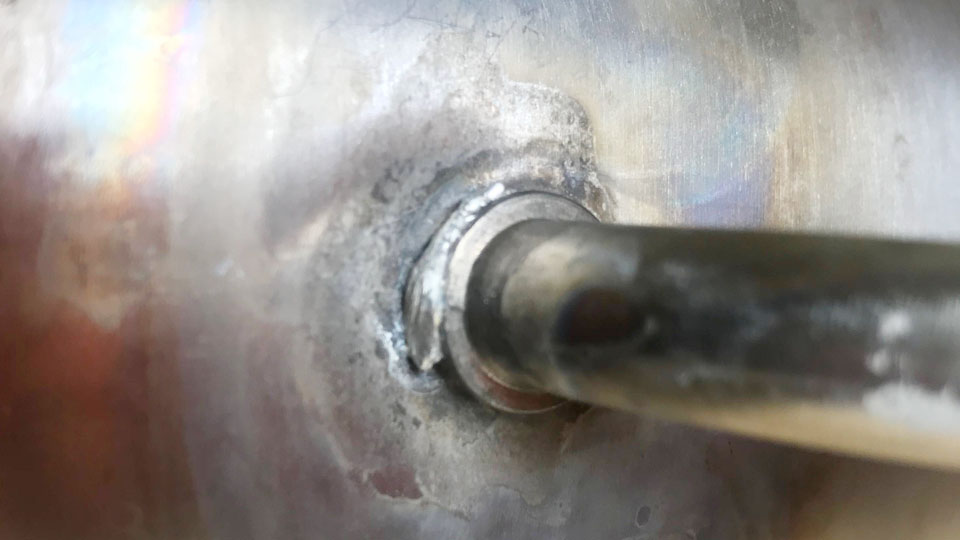
Photo by stackexchange
It’s easier than you might think. You don’t need to be a professional technician or an electrical wizard to get this done. All you need is a little patience, the right tools, and a bit of guidance. And that’s what I’m here for.
I’ve gone through this process myself and helped others fix their kettles too. So let me sit beside you and walk you through everything I know.
From diagnosing the leak to fixing it properly and safely, I’ll share the exact steps I’ve taken. If your kettle is made of stainless steel, plastic, or even glass, you’ll get tips that apply to your situation. Let’s save you money, reduce waste, and bring that kettle back to life.
Why Is Your Electric Kettle Leaking?
The first thing we need to do is figure out where the leak is coming from. Not all leaks are the same, and the fix depends on the source. Most of the time, it’s one of the following:
- The bottom seal (where the heating element connects)
- A crack in the body (plastic or glass kettles are prone to this)
- Loose or damaged spout or lid
- Corrosion around screws or joints
- Faulty water level window (common in older models)
Grab a paper towel and wipe the kettle completely dry. Then fill it with water and place it on a dry counter. Watch closely to see where the water starts to appear. This test can save you a lot of guesswork.
Tools and Materials You’ll Need
Depending on the leak source, here are some tools and supplies that may come in handy:
| Tool/Material | Purpose |
|---|---|
| Screwdrivers | To open the kettle base or panel |
| Food-safe epoxy glue | To seal cracks and leaks |
| Waterproof sealant | Ideal for sealing joins or heating plates |
| Sandpaper | For prepping metal or plastic surfaces |
| Clean rags | To wipe down and dry the parts |
| Replacement parts | If any gasket, screw, or seal is too worn |
I recommend using only food-safe adhesives or sealants. After all, this is something you use to boil water that you drink.
Step-by-Step: How to Repair a Leaking Electric Kettle
Let’s go into each scenario and how to fix it. I’ll share exactly how I’ve handled them so you can follow along easily.
Fixing a Leak from the Bottom Base
Most kettles leak from the bottom, right around the heating element. This is typically due to a worn rubber gasket or seal.
Unplug and Cool Down
Make sure the kettle is unplugged and completely cool before starting any repairs.
Open the Bottom Cover
Flip the kettle over. Use a screwdriver to remove the screws from the base. Some models may have tamper-proof screws, so you might need a special bit.
Inspect the Seal and Gasket
Look for a rubber gasket around the heating element. If it looks cracked, dry, or warped, it needs to be replaced. You can buy a replacement gasket or seal ring online or from an appliance store.
Clean and Reseal
If the seal is still intact but leaking slightly, remove it, clean the area with a rag and a bit of rubbing alcohol, and apply a thin layer of food-grade silicone sealant. Let it cure fully—usually about 24 hours—before using the kettle again.
Reassemble and Test
Once everything’s dry and reassembled, test it with a small amount of water to check for leaks.
Fixing Cracks in the Kettle Body
Plastic and glass kettles can develop small cracks over time, especially if dropped.
Identify the Crack
Sometimes cracks are hard to spot. Shine a flashlight through the kettle and look for fine lines or hairline fractures.
Sand and Clean the Area
Lightly sand the cracked area to roughen the surface. Clean it well with a dry cloth.
Apply Food-Grade Epoxy
Use a two-part food-safe epoxy. Mix and apply it along the crack. Smooth it out and let it cure according to the product instructions.
Let It Cure Completely
Give it a full day to harden before testing with water.
Repairing a Leaky Water Level Window
This is another common source of leaks. The window is usually glued or heat-fitted in place, and over time, it can loosen.
Dry and Inspect
Look at the seal around the water level window. If water is seeping from the edge, that’s your problem.
Apply Sealant
Carefully apply a line of waterproof food-grade silicone sealant along the edges. Use a small spatula or even a toothpick to press it gently into any gaps.
Wait and Test
Let the sealant cure fully before testing the kettle again.
Dealing with Spout or Lid Leaks
Though less common, sometimes the spout or lid can leak due to a warped gasket or poor fit.
Check the Fit
Make sure the lid is sitting snug. If the rubber seal around it is missing or damaged, replace it.
Inspect the Spout Area
Look for corrosion or gaps where the spout meets the body. Clean it thoroughly and apply sealant if needed.
What Not to Do
From my experience, it’s just as important to avoid some common mistakes:
- Don’t use regular glue. Many adhesives are toxic when heated.
- Don’t submerge the kettle in water. Always clean it carefully by hand.
- Don’t ignore electrical damage. If wires are corroded or burnt, it’s best to replace the kettle.
- Don’t boil water with an untested repair. Always test with cold water first.
When to Replace Instead of Repair
Sometimes, the damage is just too much. Here are a few signs it might be time to move on:
- The heating element is corroded or rusted through
- Cracks appear inside the kettle’s base plate
- There are multiple leaks from different areas
- You smell burnt plastic or see smoke
Safety always comes first. If you have any doubts, it’s okay to let go of that old kettle and treat yourself to a new one.
Preventing Leaks in the Future
Once you’ve repaired your kettle, here are a few tips I’ve picked up that can help prevent future leaks:
- Avoid overfilling. Stick to the max fill line.
- Don’t bang it on the counter. Those micro-cracks can build up over time.
- Clean it regularly. Limescale buildup can lead to tiny cracks and corrosion.
- Use filtered water. It’s easier on your appliance in the long run.
Comparison of Common Leak Types and Fix Methods
| Leak Location | Common Cause | Fix Method |
|---|---|---|
| Bottom base | Worn gasket/seal | Replace or seal with silicone |
| Plastic/glass body | Hairline cracks | Use food-grade epoxy |
| Water level window | Loose or aged seal | Apply silicone sealant |
| Spout or lid | Missing gasket | Replace seal or adjust fit |
| Heating plate area | Corrosion | Seal or replace part if possible |
Conclusion
Fixing a leaking electric kettle isn’t just about saving money—it’s about extending the life of something useful, avoiding waste, and building confidence in tackling small repairs yourself. I’ve done it, and you can too.
It doesn’t take a workshop full of tools or a background in appliance repair. Just a bit of patience, a careful hand, and knowing what to look for. Most leaks are minor and totally fixable.
Frequently Asked Questions
Can I use super glue to fix my electric kettle?
No, super glue is not food-safe and can break down under heat. Use food-grade epoxy or silicone sealant instead.
Is it safe to use a kettle that has a tiny leak?
No. Even a small leak near electrical components can be dangerous. Always fix leaks before using the kettle again.
How long does epoxy or silicone take to cure?
Most types take about 12 to 24 hours to fully cure. Always check the product label and don’t rush the process.
Can I repair a stainless steel kettle the same way?
Yes, but stainless steel may require extra sanding before applying any adhesive to ensure it sticks well.
What should I do if my kettle keeps tripping the circuit?
That usually points to an internal electrical problem. It’s best not to try fixing that yourself—consider replacing the kettle or having it professionally inspected.


