When it comes to welding, there are many methods out there, each with its unique advantages and limitations. Two of the more modern and specialized techniques are Friction Stir Welding (FSW) and Laser Welding. They sound quite different – and they are – but both have their place in various industries.
I’ll walk you through what sets these two processes apart, where each one shines, and some of the drawbacks you should be aware of.
If you’re trying to figure out which one might be best for your project or just curious about these techniques, let’s dive in and explore FSW and Laser Welding.

What is Friction Stir Welding (FSW)?
Friction Stir Welding is a solid-state joining process, meaning it welds materials without melting them. Instead, it uses a rotating tool that generates heat through friction as it moves along the joint line.
This heat softens the material without reaching its melting point, allowing the tool to “stir” the two sides together, effectively mixing and fusing them into a solid joint.
FSW was developed primarily for welding aluminum and other materials that are difficult to weld using traditional fusion methods. It’s widely used in industries like aerospace, automotive, and shipbuilding for its ability to create high-strength, defect-free joints.
What is Laser Welding?
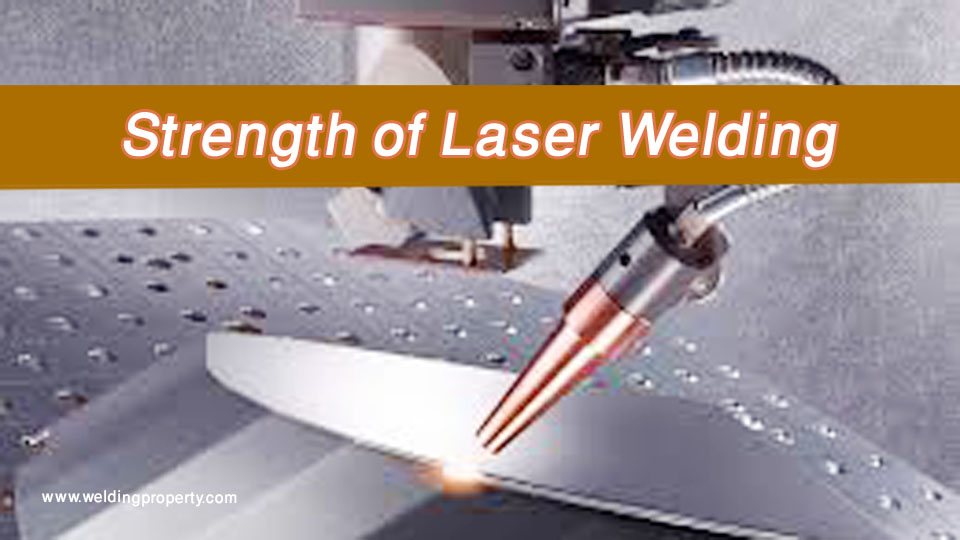
Laser welding, is a type of fusion welding. It uses a high-powered laser beam to melt the materials at the joint, creating a strong, continuous weld as the materials cool and solidify.
Laser welding is incredibly precise and can create narrow, deep welds, making it ideal for fine work like electronics and medical devices, as well as for larger applications like automotive components.
Laser welding has found its niche in industries where speed and precision are critical. It is also favored for welding materials that are challenging to join by other methods due to its ability to focus a lot of energy into a small area.
Differences Between FSW and Laser Welding
Now that we’ve covered what each technique is, let’s compare these two methods across different factors. This will help you understand the fundamental differences between them and where one may outperform the other.
Heat Input and Welding Temperature
Friction Stir Welding
Since FSW doesn’t melt the material, the heat input is relatively low, and the maximum temperature reached is below the melting point. This results in minimal thermal distortion and a smaller heat-affected zone (HAZ).
This can be a significant advantage when working with heat-sensitive materials or where maintaining the material’s properties is important.
Laser Welding
Laser welding involves melting the material, so it has a much higher heat input compared to FSW. While laser welding is precise and the HAZ can be relatively small, the heat does affect the material properties around the weld more than FSW does. It can also lead to issues like thermal distortion in thin or delicate materials.
Joint Strength and Weld Quality
Friction Stir Welding
FSW is known for producing strong welds with excellent fatigue resistance because of its solid-state nature. The joints created by FSW can often match or exceed the strength of the base material itself.
The absence of melting means that there’s no risk of solidification defects, such as porosity or hot cracking, which are common in fusion welding.
Laser Welding
While laser welds can be very strong, especially in materials like stainless steel or titanium, the fact that the process involves melting means there’s a risk of solidification defects.
If the cooling rate is not carefully controlled, you might encounter issues like cracking or porosity, which can weaken the joint.
Speed and Productivity
Friction Stir Welding
FSW is typically slower compared to laser welding because it requires physical contact between the tool and the material. The welding speed will also depend on the thickness of the material being welded.
While it’s not the fastest process, it can still be quite efficient, especially for thicker materials that require multiple passes in other welding methods.
Laser Welding
Laser welding is incredibly fast, especially for thin materials. The speed of laser welding makes it ideal for high-volume production environments, such as automotive manufacturing. With laser welding, you can complete a weld in a fraction of the time it would take with FSW.
Material Compatibility
Friction Stir Welding
FSW works exceptionally well with aluminum and other soft metals, but it’s not limited to these materials. It can also weld copper, magnesium, and even some steels with the right tool and process setup.
It struggles with materials that have a high melting temperature, like certain high-strength steels.
Laser Welding
Laser welding can handle a wide range of materials, including those with high melting points, like steel and titanium. It is versatile in terms of the types of materials it can join, which makes it suitable for applications where dissimilar materials need to be welded together.
Equipment and Setup Costs
Friction Stir Welding
The initial investment for FSW equipment can be relatively high due to the need for specialized machinery and robust clamping systems to hold the workpieces in place. Additionally, the tools used in FSW can wear out and need replacement, especially when welding harder materials.
Laser Welding
Laser welding equipment is generally more expensive upfront than FSW equipment. Lasers are complex and require precise calibration, cooling systems, and maintenance.
For certain high-precision or high-volume applications, the speed and automation capabilities of laser welding can justify the higher costs.
Safety Considerations
Friction Stir Welding
FSW is relatively safe since it doesn’t involve harmful radiation or extreme temperatures like fusion welding. The main safety concerns come from the moving parts of the machinery and the heat generated by friction, which can still cause burns if not handled carefully.
Laser Welding
Safety is a bigger concern with laser welding because of the intense light emitted by the laser, which can be harmful to the eyes and skin. Proper protective equipment and shielding are necessary to prevent injuries.
Additionally, lasers can pose a fire hazard if flammable materials are present.
Comparison of FSW vs Laser Welding
| Factor | Friction Stir Welding (FSW) | Laser Welding |
|---|---|---|
| Heat Input | Low, below melting point | High, involves melting |
| Joint Strength | Very strong, defect-free joints | Strong but risk of solidification defects |
| Speed | Slower than laser welding | Very fast, suitable for high-volume production |
| Material Compatibility | Works well with soft metals like aluminum | Suitable for a wide range, including high-temp metals |
| Equipment Cost | Moderate to high | High upfront investment |
| Safety | Lower risk, mainly heat and moving parts | High risk, requires laser safety protocols |
Advantages of Friction Stir Welding
- High Joint Strength: Because FSW doesn’t involve melting, the welds it produces are often stronger than the base material.
- Minimal Defects: Since there’s no solidification, you avoid common fusion weld issues like cracking or porosity.
- Low Distortion: The lower heat input minimizes thermal distortion, making it great for thin materials.
- Environmental Safety: No fumes or UV radiation are emitted, reducing the need for protective gear.
Disadvantages of Friction Stir Welding
- Slower Speed: It’s generally slower compared to laser welding.
- High Equipment Costs: The setup and maintenance costs can be high, especially for harder materials.
- Limited Material Compatibility: Not ideal for very hard or high-melting-point metals.
Advantages of Laser Welding
- High Speed: Perfect for automated production lines due to its speed.
- Versatile Material Compatibility: Can handle a variety of metals, even dissimilar ones.
- Precise Welds: Creates narrow, deep welds with minimal heat input.
Disadvantages of Laser Welding
- High Initial Cost: Laser equipment is expensive and requires regular maintenance.
- Safety Concerns: Lasers can pose safety risks if not handled properly.
- Potential for Defects: Solidification defects can occur if cooling rates are not controlled.
When to Choose Friction Stir Welding
FSW is ideal when you need a strong, reliable weld in materials like aluminum, especially for applications where heat sensitivity is a concern. It’s commonly used in the aerospace and shipbuilding industries, where weld integrity and fatigue resistance are crucial.
When to Choose Laser Welding
Laser welding shines in high-volume production environments like automotive manufacturing, where speed is essential. It’s also suitable for fine work requiring precision, such as medical devices and electronics.
If you need to weld materials that are difficult to join using traditional methods, laser welding is often the better choice.
Conclusion
Both Friction Stir Welding and Laser Welding have their strengths and weaknesses, and the right choice depends on your specific needs.
If you’re looking for high joint strength and minimal defects in soft metals, FSW is a great choice. But if speed, precision, and versatility in material compatibility are your top priorities, laser welding might be the way to go.
Understanding the differences between these two welding techniques will help you make an informed decision for your projects.
If you choose FSW or Laser Welding, both methods offer unique benefits that can enhance the quality and efficiency of your welding work.