Watching precision welding in advanced fabrication shops taught me one thing—when you need extreme accuracy and minimal distortion, both electron beam and laser welding can do things a MIG or TIG setup simply can’t.
I’ve seen parts come out with hairline precision, deep penetration, and almost zero cleanup, but choosing between these two high-tech methods isn’t as simple as it sounds. Each one has strengths that shine in different industrial situations.
Whether you’re dealing with aerospace parts, medical components, or ultra-clean, high-strength welds, understanding electron beam vs laser welding can save you from costly mistakes and help you pick the right process for the job.
In this guide, I’ll break down the differences in plain language, based on real-world experience and practical shop insight, so you know exactly which method fits your needs.

Image by dplaser
Electron Beam Welding
To understand the differences, let’s start with a closer look at electron beam welding. In EBW, a high-velocity stream of electrons is fired at the metal. These electrons hit the metal surface, releasing kinetic energy that turns into heat, which melts the material and forms a weld as it cools.
One unique aspect of EBW is that it usually takes place in a vacuum chamber. This vacuum environment prevents contaminants from interfering with the weld, ensuring a high-quality, precise result. Due to the focused nature of the electron beam, EBW can create deep, narrow welds, making it ideal for high-strength applications and thicker materials.
Points of Electron Beam Welding
- High precision and deep penetration: Ideal for heavy-duty applications where strength is essential.
- Vacuum environment: Creates a clean, uncontaminated weld.
- Limited portability: Because of the vacuum chamber, EBW is generally limited to controlled environments.
What is Laser Welding?
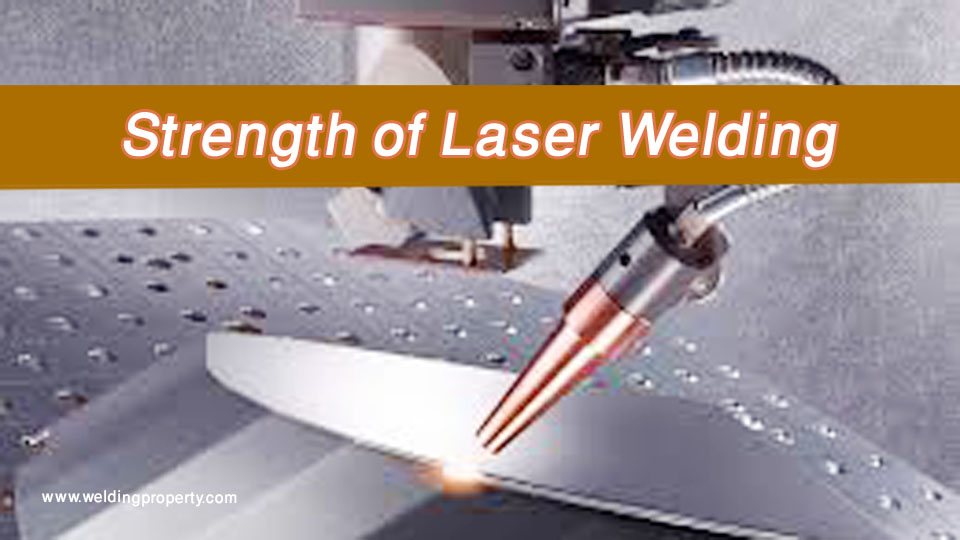
Laser welding, on the other hand, uses a concentrated laser beam to generate the heat needed to melt and join metals. The process doesn’t require a vacuum, though it can still achieve very precise results. Unlike EBW, laser welding can be used in open environments and even on smaller, delicate components.
Laser welding is versatile, with various power levels and beam sizes depending on the material and application. It’s also quick, with many laser welding systems designed for high-speed, automated production lines. This makes laser welding popular in the automotive, medical, and electronics industries.
Points of Laser Welding
- Highly versatile: Works well on both thin and thick materials.
- No vacuum needed: Can be used in open-air or inert-gas environments.
- Quick and suitable for automation: Often used in high-volume production settings.
Differences Between Electron Beam Welding and Laser Welding
Now that we have a basic understanding of both processes, let’s dive into the main differences.
Heat Source and Penetration Depth
In EBW, the heat is generated by electrons traveling at a high velocity, which provides deep penetration in thicker materials. This makes EBW a great choice for applications that require strong, deep welds, like aerospace and heavy machinery.
Laser welding relies on a concentrated beam of light, which heats the surface rather than penetrating as deeply as electron beams. While lasers can still achieve considerable penetration, they are often more suitable for thinner materials or applications requiring speed over depth.
Environment: Vacuum vs Open Air
A critical difference between the two processes is the environment they require. EBW typically requires a vacuum chamber, as the electron beam can scatter or lose focus in an open-air setting. This vacuum requirement ensures precision but also adds to the setup complexity and limits its use in environments where large or immovable parts need to be welded.
Laser welding can be performed in open air or with inert gases, offering more flexibility and portability. This means it can be used in a wider range of environments and is generally quicker to set up.
Energy Efficiency and Speed
Laser welding is typically faster than EBW. Its high-speed capability is one of the reasons it’s so popular in automated production lines, where efficiency is key. EBW, while precise, tends to be slower due to the need for a vacuum chamber and other setup requirements. If time is a major factor, laser welding may be a better choice.
However, EBW is extremely energy-efficient. Despite the slower process, the energy consumed per unit weld is often lower than laser welding, particularly for thicker materials.
Suitability for Different Materials
Both EBW and laser welding are versatile when it comes to materials, but they each have strengths. EBW works exceptionally well with thicker, denser materials like steel and titanium. It’s commonly used in aerospace, automotive, and other heavy industries.
Laser welding is more commonly used on thinner metals or materials requiring precise, small welds, like in electronics or medical devices. It’s also effective on reflective materials, such as aluminum and copper, which can reflect electron beams but absorb laser energy.
Cost and Accessibility
The initial cost for both EBW and laser welding systems is high, but EBW tends to be more expensive due to the need for a vacuum chamber. Additionally, operating and maintaining EBW equipment can be costly, especially considering the specialized training required for technicians.
Laser welding equipment, while still pricey, generally has a lower upfront cost than EBW and is more widely accessible. Plus, since laser welding doesn’t need a vacuum chamber, it’s often more practical and economical in high-volume production environments.
Comparison of Electron Beam Welding vs Laser Welding
For a quick summary, here’s a comparison table highlighting the main differences:
| Feature | Electron Beam Welding (EBW) | Laser Welding |
|---|---|---|
| Heat Source | High-velocity electron beam | Concentrated laser beam |
| Penetration Depth | Very deep (ideal for thick materials) | Moderate (best for thin-to-moderate materials) |
| Environment | Requires vacuum | Can be open-air or with inert gas |
| Speed | Moderate, due to setup requirements | High-speed (suitable for automation) |
| Energy Efficiency | High for thick materials | Moderate, especially on thinner materials |
| Cost | Higher initial cost (vacuum chamber needed) | Lower initial cost, no vacuum needed |
| Best for Materials | Thick, dense materials (steel, titanium) | Thin materials, reflective metals |
| Portability | Limited (stationary equipment) | Portable, more flexible |
When You Need to Choose Electron Beam Welding
Now that we’ve covered the core differences, you may be wondering, “When would EBW be the best choice?” Here are some scenarios where EBW shines.
For Thick and Heavy Materials
If you’re working with thick, dense materials that require a strong, deep weld, EBW’s penetration depth and precision make it the best option. In aerospace and nuclear industries, where strength is essential, EBW is the go-to choice.
Where Weld Purity is a Priority
EBW’s vacuum environment eliminates contaminants, creating a cleaner, purer weld. If your project requires a weld free from impurities, like in medical devices or high-stakes industrial components, EBW offers an advantage.
When High Energy Efficiency is Key
Although slower, EBW is energy-efficient, particularly for heavy-duty applications. Over the long term, this can be a cost-saving factor, especially for large-scale manufacturing.
When to Choose Laser Welding
On the other hand, there are situations where laser welding is more practical.
For High-Speed, High-Volume Production
If you’re looking for speed and efficiency, laser welding’s quick operation is ideal. Many manufacturers use laser welding on automated lines, especially in industries where speed is critical, like automotive manufacturing.
When Portability and Flexibility are Needed
Laser welding’s ability to work in open air or with inert gases makes it highly versatile. It’s suitable for on-site welding or in situations where the parts are too large or difficult to fit into a vacuum chamber.
For Thin or Delicate Materials
Laser welding offers control over heat input, making it suitable for thin or delicate materials. This makes it popular in the electronics and medical device industries, where precise, small welds are required without damaging surrounding areas.
Industries That Use Electron Beam and Laser Welding
Both welding types have found niche applications across various industries. Here’s how each one fits into different fields:
Aerospace and Aviation
In aerospace, both EBW and laser welding are used, but EBW is preferred for critical, high-strength components like engine parts, where deep weld penetration is essential.
Automotive Industry
The automotive industry uses laser welding extensively for its speed and precision, especially in high-speed production lines. However, EBW is used for parts requiring deeper welds, like drivetrain and transmission components.
Medical Device Manufacturing
In the medical field, cleanliness is essential, so EBW is used when purity and strength are critical. Laser welding, on the other hand, is often used for smaller, delicate components.
Electronics
In electronics, laser welding is more common due to its suitability for small, intricate parts. Laser welding’s flexibility also makes it easier to integrate into automated assembly lines, which are common in electronics manufacturing.
Final Thoughts: Choosing Between Electron Beam Welding and Laser Welding
Choosing between EBW and laser welding depends on your project’s specific needs. If precision, strength, and purity are priorities, and you’re working with thick materials, EBW might be your best option. However, if you’re after speed, flexibility, and ease of setup, laser welding could be the way to go.
By weighing the pros and cons of each method and understanding their unique characteristics, you can select the right welding process that fits your requirements. Whether for aerospace, automotive, medical devices, or electronics, both EBW and laser welding bring powerful capabilities to the table.