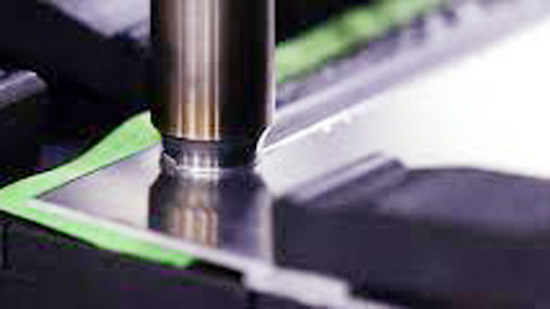
I used to think sealing plastic or thin materials was always a messy job—glue, heat, or tape never seemed to hold properly. Then I saw ultrasonic sealing in action, and it completely changed my perspective. With high-frequency vibrations, materials fuse almost instantly, creating clean, strong seals without adhesives or excessive heat.
Understanding how ultrasonic sealing works isn’t just about curiosity—it’s about improving quality, speed, and reliability in manufacturing, packaging, and even DIY projects.
In this guide, I’ll explain the process step by step, share real-world tips from hands-on experience, and show you how to make ultrasonic sealing work efficiently for your projects.

Image by sonimat
What is Ultrasonic Sealing?
Ultrasonic sealing is a process that joins or seals materials by applying ultrasonic vibrations at high frequencies. These frequencies typically range from 20 kHz to 40 kHz. When these vibrations are applied to the materials, they cause the molecules in the contact area to vibrate rapidly.
This generates localized heat through friction, which softens and melts the materials, creating a bond or seal without the need for external heat sources.
Ultrasonic sealing is particularly useful for thermoplastics and synthetic materials, which respond well to the localized heat generated by ultrasonic vibrations.
The technique is widely used in industries where clean, precise, and strong seals are essential, such as packaging, automotive components, and medical devices.
How Does Ultrasonic Sealing Work?
The ultrasonic sealing process can be broken down into several key steps, each contributing to the creation of a strong and reliable bond.
Preparation of Materials
Before the sealing process begins, the materials to be sealed must be prepared. In packaging, for instance, the plastic or laminate materials need to be properly aligned and positioned within the sealing machine. The materials are typically placed between the ultrasonic horn and the anvil, which will apply the ultrasonic energy to the sealing area.
Clamping the Materials
Once the materials are properly positioned, the machine clamps them in place. The clamping mechanism, usually involving a sonotrode (horn) and an anvil, holds the materials securely to ensure that the ultrasonic vibrations are applied evenly across the sealing area.
The precise clamping force is crucial to the success of the ultrasonic sealing process, as it ensures that the materials make intimate contact during sealing.
Ultrasonic Vibrations
The core of the ultrasonic sealing process is the application of ultrasonic vibrations. A generator converts electrical energy into high-frequency sound waves, which are then transmitted through a transducer.
The transducer converts these sound waves into mechanical vibrations. The vibrations are directed into the materials being sealed via the ultrasonic horn, which makes direct contact with the materials.
Friction and Heat Generation
As the ultrasonic horn vibrates against the materials, it creates rapid friction at the molecular level. This friction causes localized heat, which softens or melts the materials in the sealing area.
The key feature of ultrasonic sealing is that the heat is generated only at the point of contact between the materials, meaning that the surrounding areas remain unaffected by heat.
Material Bonding
Once the material in the sealing area has been softened by the heat generated from the ultrasonic vibrations, the vibrations stop, and the clamped pressure helps the materials fuse together as they cool. The melted material forms a bond that solidifies into a strong, durable seal.
Sealing Finalization
After the bonding process, the clamp releases, and the sealed materials are removed from the machine. The result is a clean, precise, and reliable seal. The ultrasonic sealing process is fast, with typical sealing times ranging from fractions of a second to a few seconds, depending on the materials and the application.
Materials Suitable for Ultrasonic Sealing
Ultrasonic sealing works best with materials that can soften and bond when subjected to heat generated by friction. The most commonly used materials for ultrasonic sealing are thermoplastics and synthetic fabrics. Some of the materials most compatible with ultrasonic sealing include:
Thermoplastics
Thermoplastics are ideal for ultrasonic sealing because they soften when exposed to heat and solidify when cooled. Common thermoplastics used in ultrasonic sealing include:
- Polypropylene (PP)
- Polyethylene (PE)
- Polyvinyl Chloride (PVC)
- Acrylonitrile Butadiene Styrene (ABS)
Synthetic Fabrics
Ultrasonic sealing is also widely used for synthetic fabrics, which are often made from thermoplastic fibers. Examples of synthetic fabrics suitable for ultrasonic sealing include:
- Polyester
- Nylon
- Polyurethane
- Polyamide
These materials are commonly used in the production of medical textiles, automotive interiors, and packaging films.
Advantages of Ultrasonic Sealing
Ultrasonic sealing offers several key advantages over traditional sealing methods, making it a preferred choice in industries that require precision, cleanliness, and efficiency. Some of the main benefits include:
Clean and Precise Sealing
Ultrasonic sealing creates highly precise seals without the need for adhesives, heat sources, or solvents. This makes it ideal for applications where cleanliness is essential, such as medical device packaging or food packaging.
Fast Process
The entire ultrasonic sealing process typically takes just a few seconds. This rapid cycle time makes it well-suited for high-speed production lines, improving overall efficiency and throughput.
Minimal Heat Impact
Since ultrasonic sealing generates heat only at the point of contact, the rest of the material remains unaffected. This minimizes the risk of damaging heat-sensitive materials and ensures that the surrounding areas remain intact.
Energy Efficiency
Ultrasonic sealing is more energy-efficient than traditional heat sealing methods because it does not rely on external heating elements. The process uses mechanical vibrations to generate heat locally, reducing overall energy consumption.
Environmentally Friendly
Unlike heat sealing, which may require adhesives or bonding agents, ultrasonic sealing does not use any additional chemicals. This makes the process more environmentally friendly, with less waste and fewer harmful emissions.
Strong and Durable Bonds
The bonds created by ultrasonic sealing are strong and durable, making them ideal for applications where reliability is critical. The molecular-level bonding ensures that the seal will withstand mechanical stress, moisture, and other environmental factors.
Applications of Ultrasonic Sealing
Ultrasonic sealing is used in a wide variety of industries due to its versatility and efficiency. Some of the most common applications include:
Packaging Industry
In the packaging industry, ultrasonic sealing is used to create airtight and leak-proof seals on products such as food, cosmetics, and pharmaceuticals. The clean and precise nature of ultrasonic sealing makes it ideal for ensuring product freshness and safety.
Medical Devices and Textiles
Ultrasonic sealing is widely used in the production of medical devices, such as sterile packaging, disposable face masks, and surgical gowns. The process ensures that seals are clean and free from contaminants, which is essential for maintaining sterility.
Automotive Industry
In the automotive industry, ultrasonic sealing is used to bond interior fabrics, plastic components, and wiring harnesses. The ability to create strong and durable seals ensures that the components can withstand the rigors of automotive use.
Electronics Industry
Ultrasonic sealing is used to join plastic enclosures and components in the electronics industry. The clean, precise seals ensure that the electronic components are protected from moisture, dust, and other contaminants.
Challenges in Ultrasonic Sealing
While ultrasonic sealing offers many advantages, there are some challenges that manufacturers need to address to ensure optimal performance.
Material Compatibility
Not all materials are suitable for ultrasonic sealing. Some materials, such as thermosetting plastics or materials with additives, may not bond effectively under ultrasonic vibrations. Testing is often required to determine whether a material is compatible with ultrasonic sealing.
Calibration and Setup
Proper setup and calibration of the ultrasonic sealing equipment are critical to achieving consistent results. Factors such as vibration amplitude, pressure, and sealing time need to be carefully controlled to prevent issues like burning, weak seals, or material damage.
Tooling Maintenance
The sonotrode and anvil (or base) are subject to wear over time due to the mechanical vibrations. Regular maintenance and replacement of these components are necessary to ensure consistent sealing performance.
Comparison Between Ultrasonic Sealing and Other Sealing Methods
To better understand the advantages and limitations of ultrasonic sealing, it’s useful to compare it with other common sealing methods, such as heat sealing and adhesive sealing.
| Aspect | Ultrasonic Sealing | Heat Sealing | Adhesive Sealing |
|---|---|---|---|
| Sealing Process | High-frequency vibrations generate localized heat through friction | External heat is applied to melt and bond the material | Adhesive is applied to join materials |
| Heat Impact | Localized heat, minimal impact on surrounding materials | Heat is applied over a larger area | No heat, but adhesives may contain solvents |
| Speed | Fast, typically a few seconds per seal | Moderate, requires heat application and cooling | Slower due to adhesive application and curing |
| Material Compatibility | Works well with thermoplastics and synthetics | Limited to heat-sensitive materials | Works with a wide range of materials |
| Energy Consumption | Low, energy-efficient | High, requires external heat | Varies depending on adhesive type |
| Environmental Impact | Environmentally friendly, no adhesives or external heat | Generates heat, may require additional energy | Adhesives may contain chemicals and generate waste |
| Bond Strength | High, molecular-level bonding | Moderate, depends on material properties | Varies depending on adhesive strength |
| Maintenance | Requires regular maintenance of sonotrode and anvil | Heating elements need replacement over time | Adhesive equipment needs regular cleaning |
Conclusion
Ultrasonic sealing is a highly efficient, precise, and environmentally friendly sealing method that offers numerous advantages over traditional sealing techniques.
By using high-frequency sound waves to generate heat through friction, ultrasonic sealing creates strong and durable bonds without the need for external heat sources or adhesives. This makes it ideal for applications in industries such