You might have heard about ultrasonic welding, especially if you’re into manufacturing or engineering, but what is it really? It’s not your typical welding method with sparks and flames.

Ultrasonic welding uses high-frequency sound waves to join materials together, usually plastics or metals, without using heat or adhesives. That’s right—no heat! Sounds interesting, doesn’t it? Let me explain more about how it works and why it’s used.
Ultrasonic Welding
At its core, ultrasonic welding is a process that uses ultrasonic vibrations, usually at a frequency of around 20,000 Hz (which is beyond what humans can hear), to create a solid-state weld. It works by vibrating two pieces of material at a high frequency while they are clamped together.
The friction caused by these vibrations generates enough localized heat to soften the material at the interface, causing the two parts to fuse without actually melting the entire material.
It’s most commonly used for plastics, but it can also be used for thin metal sheets. The technique is incredibly fast—welding can be completed in a fraction of a second. Because it doesn’t use adhesives, heat, or filler materials, it’s considered a clean and efficient welding method.
How Does Ultrasonic Welding Work?
If you’re curious about the nitty-gritty, here’s how the ultrasonic welding process works step by step.
Components
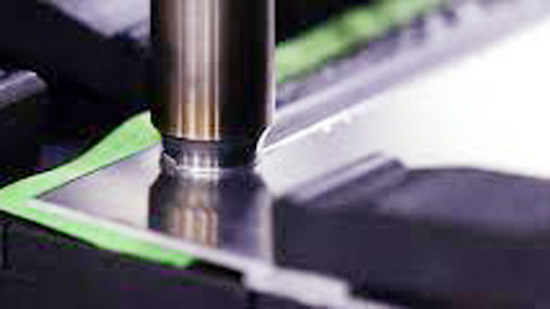
The ultrasonic welding machine consists of a few key parts: the transducer, booster, horn (sonotrode), and anvil. The transducer converts electrical energy into ultrasonic vibrations.
The booster and horn help focus these vibrations onto the workpieces. The anvil supports the materials being welded.
Placing the Workpieces
The materials to be welded are placed in the welding fixture. The horn presses down on the top piece of the material while the bottom piece rests on the anvil. The pressure ensures that the vibrations will be effectively transferred between the two surfaces.
Initiating the Ultrasonic Vibrations
When the machine is turned on, the ultrasonic vibrations pass through the horn and into the materials. These vibrations cause rapid and high-frequency friction at the interface between the two pieces, generating enough localized heat to soften the material at the joint.
Welding Action
The vibrations continue for a predetermined period, typically ranging from 0.1 to 1 second. The heat generated at the interface causes the materials to fuse together, creating a solid-state bond.
Cooling and Solidifying
Once the vibrations stop, the material cools quickly under pressure. Because the entire material isn’t heated up, there’s little thermal expansion or distortion. The welded joint solidifies almost instantly, resulting in a strong and durable bond.
Applications of Ultrasonic Welding
You’d be surprised by how many everyday items are made using ultrasonic welding. Its ability to join plastics and thin metals makes it a go-to option in various industries.
Medical Industry
Ultrasonic welding is widely used in the medical field for manufacturing disposable medical devices like IV catheters, blood filters, and face masks.
It’s preferred because it doesn’t introduce any contaminants or chemicals into the final product, which is critical for healthcare applications.
Automotive Industry
In cars, many plastic components, like instrument panels, dashboards, and filters, are joined using ultrasonic welding. This method ensures a secure bond without adding extra weight or compromising the material’s properties.
Electronics
Think about all the small gadgets we use—smartphones, USB sticks, and battery packs. Many of these components are assembled using ultrasonic welding. It’s ideal for connecting delicate wires or tiny parts without damaging the electronics.
Packaging Industry
If you’ve ever noticed that some sealed plastic packages don’t have glue or heat marks, it’s likely because they were ultrasonically welded. This technique is used for blister packs, sealed containers, and even food packaging.
Advantages of Ultrasonic Welding
When considering welding options, ultrasonic welding has a number of perks that make it stand out from traditional methods. Here’s why you might choose ultrasonic welding for your project:
Fast and Efficient
Ultrasonic welding is incredibly quick. The process can be completed in less than a second, making it ideal for high-volume production lines. You can weld thousands of parts in a day without sacrificing quality.
No Need for Additional Materials
Since ultrasonic welding doesn’t require adhesives, bolts, or filler materials, you can save on material costs and avoid the hassle of dealing with additional components. It’s a clean process that doesn’t leave any residue.
Strong and Reliable Joints
When properly done, ultrasonic welds can be as strong as the base material itself. The joint created by ultrasonic welding is durable and able to withstand stress without coming apart.
Minimal Heat Involved
There’s no need to worry about melting or distorting the material, especially when working with sensitive plastics. Because only the interface area is heated, the rest of the material remains unchanged.
Environmentally Friendly
Without the need for adhesives or solvents, ultrasonic welding reduces the environmental impact associated with chemical use. Plus, there are fewer emissions and waste materials compared to traditional welding.
Disadvantages of Ultrasonic Welding
While ultrasonic welding has a lot going for it, there are also some limitations and challenges. Here’s what you need to be aware of:
Limited Material Compatibility
Ultrasonic welding works well for specific plastics and thin metals, but not all materials are suitable for this technique. For instance, very thick or hard metals may not be able to be joined using ultrasonic welding.
Equipment Costs
The initial cost of ultrasonic welding equipment can be higher compared to other welding methods. The machine setup is sophisticated, and getting started may require a bigger upfront investment.
Not Ideal for Large Parts
If the workpieces are too large, ultrasonic welding might not be effective because it’s difficult to transmit the vibrations evenly across a large surface area. The process works best for small or medium-sized components.
Specialized Training Required
Operating ultrasonic welding equipment requires specific training, and improper use can result in poor welds or damage to the machine. Skilled operators are needed to get the best results.
Comparison of Ultrasonic Welding vs Traditional Welding
Let’s compare ultrasonic welding with some more traditional welding methods to see how they stack up.
| Feature | Ultrasonic Welding | Traditional Welding (Arc, MIG, TIG) |
|---|---|---|
| Heat Involvement | Minimal, localized heat at the weld joint | High temperatures are needed to melt the base material |
| Material Compatibility | Suitable for plastics and thin metals | Can weld a wide variety of metals |
| Speed | Very fast, usually less than a second | Generally slower, especially for thick materials |
| Need for Filler Materials | No filler materials required | Filler rods or wires may be needed |
| Equipment Cost | Higher initial cost | Generally lower initial cost |
| Environmental Impact | Low, no solvents or adhesives | May produce fumes or require chemical fluxes |
| Ease of Learning | Requires specialized training | Varies, some methods are easier to learn |
Why Choose Ultrasonic Welding?
So, why would someone choose ultrasonic welding over other methods? It boils down to speed, cleanliness, and precision. If you’re working with plastics or thin materials and need a method that won’t introduce contaminants, ultrasonic welding is a perfect choice.
For high-volume production lines, the speed of ultrasonic welding can significantly improve efficiency. Plus, you avoid dealing with additional materials like adhesives or solder.
Tips for Successful Ultrasonic Welding
To get the best results, here are some practical tips:
Material Selection Matters
Make sure the materials you’re welding are suitable for ultrasonic welding. Some plastics, like ABS and acrylic, work well, while others may not.
Proper Pressure Settings
Too much or too little pressure can affect the quality of the weld. Ensure the machine is set to the right pressure based on the materials’ thickness and properties.
Choose the Right Frequency
Ultrasonic welding machines operate at different frequencies. Lower frequencies are used for larger parts, while higher frequencies are ideal for smaller, more delicate components.
Regular Maintenance of Equipment
Keeping the machine in top shape ensures that you get consistent results. Regularly check the transducer and horn for wear and replace them if needed.
Common Issues and How to Avoid Them
Here’s how you can troubleshoot some common ultrasonic welding problems:
Weak Welds: This can happen if the material isn’t suitable for ultrasonic welding or if the pressure settings are incorrect. Make sure to use compatible materials and adjust the pressure as needed.
Excessive Flashing: If you see excess material oozing out from the weld joint, it might be due to too much pressure or high vibration amplitude. Lowering these settings can help reduce flashing.
Horn Damage: Ultrasonic welding horns wear out over time. If you notice damage, replace the horn to avoid poor welds or equipment damage.
Ultrasonic Welding for the Future
Ultrasonic welding is continually evolving. With advancements in technology, it’s becoming even more precise and adaptable.
In the future, we might see new materials being developed that are specifically designed for ultrasonic welding, making it an even more versatile process.
As industries push for cleaner and faster manufacturing techniques, ultrasonic welding’s eco-friendly and efficient nature could make it a more prominent choice in various applications.
Conclusion
Ultrasonic welding offers a unique and efficient way to join materials. It’s not just limited to industrial use; you can find products welded this way all around you.
From medical devices to electronics and even in the cars we drive, ultrasonic welding plays a crucial role in our everyday lives.
While it does come with some limitations, its benefits, like speed, cleanliness, and strong joints, often outweigh the drawbacks. If you’re in an industry where joining small components quickly and cleanly is essential, ultrasonic welding could be the perfect solution.