If you’ve ever wondered how different materials are joined together without glue, screws, or messy adhesives, ultrasonic welding might surprise you. This modern process uses high-frequency sound waves to bond plastics, metals, and even fabrics—making it a clean, precise, and eco-friendly solution for everyday products. From durable plastic containers and medical tools to household items you rely on during bathroom cleaning or stain removal, ultrasonic welding ensures stronger, safer, and longer-lasting results.
Homeowners and cleaning enthusiasts often ask: What materials can actually be ultrasonically welded, and why does it matter for the things we use every day? The answer lies in the versatility of this technique. By understanding which surfaces bond best, you’ll gain insight into the hidden durability behind the cleaning tools, disinfecting products, and appliances that make your home care routine easier and more effective.
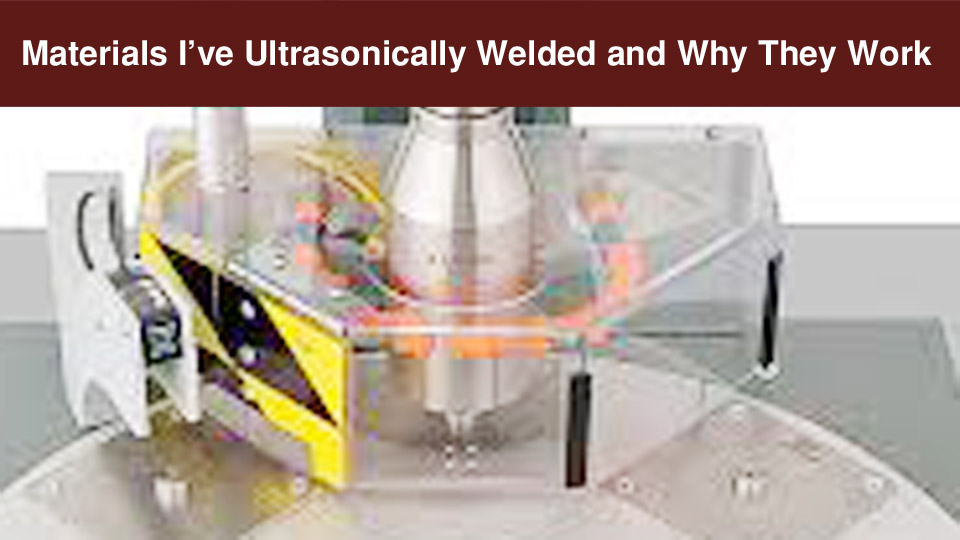
Image by assemblymag
What Is Ultrasonic Welding and How Does It Work?
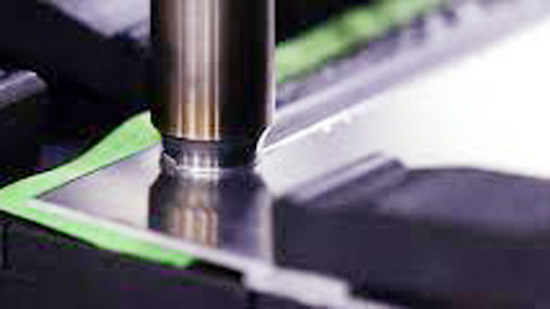
Ultrasonic welding is a process that uses high-frequency vibrations—typically 20 kHz to 40 kHz—to join materials. A tool called a sonotrode delivers these vibrations to the workpieces, creating localized friction that softens or melts the material at the joint. Unlike arc welding, there’s no external heat source, which makes it ideal for heat-sensitive materials.
Picture this: I was once tasked with joining plastic components for a medical device. The parts were tiny, and traditional welding would’ve warped them. Ultrasonic welding saved the day, bonding the pieces in seconds with a clean, strong seal. The process is quick, often taking less than a second per weld, and it’s highly repeatable, which is why industries like automotive and electronics love it.
You’ll need a few key pieces of equipment: a power supply, a transducer to convert electrical energy into mechanical vibrations, a booster to amplify those vibrations, and the sonotrode to apply them. Settings depend on the material, but more on that later. For now, know that ultrasonic welding is all about precision and control, making it perfect for specific materials.
Which Plastics Can Be Ultrasonically Welded?
Most thermoplastics are prime candidates for ultrasonic welding, but not all plastics are created equal. The key is the material’s ability to transmit vibrations and soften under friction. Let’s break down the most common plastics you can weld ultrasonically.
Amorphous Plastics
Amorphous plastics, like ABS, polystyrene, and polycarbonate, are fantastic for ultrasonic welding. Their random molecular structure allows them to soften gradually, making them easy to bond. ABS, for instance, is a go-to for automotive parts because it’s tough and welds cleanly.
I once worked on a project assembling ABS housings for electronics. The ultrasonic welder was set to a frequency of 20 kHz with moderate amplitude, and the joints were flawless. A common mistake? Not cleaning the surfaces—grease or dust can weaken the bond. Wipe parts with isopropyl alcohol before welding.
Semi-Crystalline Plastics
Semi-crystalline plastics, like polyethylene, polypropylene, and nylon, are trickier but still weldable. These materials have a more organized molecular structure, requiring higher energy to soften. Polypropylene, often used in packaging, welds well if you optimize your settings.
Here’s a tip: Increase the amplitude slightly (around 30–50 microns) and use a longer weld time (0.5–1 second) for semi-crystalline plastics. I learned this the hard way when a batch of nylon parts didn’t bond properly—cranking up the amplitude fixed it. Always test your settings on scrap material first.
Plastics to Avoid
Some plastics, like PTFE (Teflon) or thermosets, don’t work with ultrasonic welding. They either don’t soften under vibration or degrade instead of bonding. I once tried welding a PTFE component (yep, rookie mistake), and it just crumbled. Stick to thermoplastics, and you’ll be fine.
| Plastic Type | Ultrasonic Weldability | Common Applications | Tips |
|---|---|---|---|
| ABS | Excellent | Automotive, electronics | Clean surfaces, moderate amplitude |
| Polycarbonate | Good | Medical devices, lenses | Avoid over-welding to prevent stress |
| Polypropylene | Moderate | Packaging, containers | Higher amplitude, longer weld time |
| Nylon | Moderate | Industrial parts | Test settings, ensure dry material |
| PTFE (Teflon) | Not Weldable | Non-stick coatings | Avoid; use alternative methods |
Can Metals Be Ultrasonically Welded?
Yes, certain metals can be ultrasonically welded, but it’s a different beast than welding plastics. Thin, non-ferrous metals like aluminum, copper, and brass are the best candidates. The process works by creating a solid-state bond without melting the metal, which is great for delicate components like electrical contacts.
I’ve welded copper foil for battery assemblies, and the results were impressive—strong bonds without distortion. The trick? Keep the metal clean and use a knurled sonotrode tip for better grip. Settings typically involve higher pressure (around 300–500 psi) and shorter weld times (0.2–0.5 seconds).
Metals That Work Well
- Aluminum: Common in automotive and aerospace for lightweight parts. Use low amplitude to avoid cracking.
- Copper: Perfect for electrical applications. Ensure surfaces are oxide-free.
- Brass: Good for decorative or functional components. Moderate pressure works best.
Metals to Avoid
Ferrous metals like steel or thick materials are tough to weld ultrasonically. They’re too rigid and absorb vibrations poorly. I once tried welding stainless steel sheets, and the machine just buzzed without bonding. Stick to thin, soft metals for best results.
| Metal Type | Ultrasonic Weldability | Common Applications | Tips |
|---|---|---|---|
| Aluminum | Excellent | Automotive, aerospace | Low amplitude, clean surfaces |
| Copper | Good | Electrical contacts | Oxide-free surfaces, short weld time |
| Brass | Good | Decorative components | Moderate pressure, knurled tip |
| Steel | Poor | Structural parts | Avoid; use alternative welding methods |
What About Dissimilar Materials?
Ultrasonic welding shines when joining dissimilar materials, like plastic to metal or different plastics. The catch? The materials must have compatible melting points or softening behaviors. For example, ABS and polycarbonate bond well together, but pairing ABS with polyethylene can be tricky due to their different structures.
I once worked on a project combining ABS with a thin aluminum sheet for a custom enclosure. The key was using an energy director—a small ridge on the plastic that focuses the vibrations. Without it, the bond was weak. Always design your parts with energy directors or textured surfaces for better results.
Tips for Dissimilar Materials
- Match Softening Points: Ensure materials soften at similar temperatures.
- Use Energy Directors: Mold a small ridge or point on the plastic to concentrate vibrations.
- Test Extensively: Dissimilar materials can be unpredictable. Run test welds to dial in settings.
How to Prepare Materials for Ultrasonic Welding
Prep work is everything in ultrasonic welding. Dirty or poorly prepared surfaces lead to weak bonds or equipment damage. Here’s a step-by-step guide to get it right.
Step 1: Clean the Surfaces
Dust, oil, or grease can ruin your weld. Use isopropyl alcohol and a lint-free cloth to clean both parts. I’ve seen welders skip this step and end up with inconsistent bonds—don’t be that guy.
Step 2: Design the Joint
For plastics, incorporate an energy director or shear joint in your part design. A 60-degree triangular energy director works well for most thermoplastics. For metals, ensure the surfaces are flat and aligned.
Step 3: Check Material Condition
Moisture can weaken welds, especially for hygroscopic materials like nylon. Dry your parts in an oven at 150°F for a few hours if needed. I learned this after a batch of nylon parts failed because they absorbed moisture from the shop air.
Step 4: Set Up the Welder
Adjust amplitude, pressure, and weld time based on the material. For example, ABS might need 20 kHz and 20–30 microns amplitude, while polypropylene requires 30–50 microns. Always start with manufacturer-recommended settings and tweak from there.
Common Prep Mistakes
- Skipping Cleaning: Even fingerprints can weaken bonds.
- Poor Joint Design: Flat surfaces without energy directors often fail.
- Ignoring Moisture: Wet materials lead to porous welds.
Equipment and Settings for Ultrasonic Welding
Your ultrasonic welder is the heart of the operation. Brands like Branson or Dukane are common in US shops, offering models from 15 kHz to 40 kHz. Here’s how to set it up right.
Choosing the Right Frequency
- 20 kHz: Best for larger parts or tougher materials like polypropylene.
- 35–40 kHz: Ideal for small, delicate parts like medical components.
Setting Amplitude and Pressure
Amplitude controls the vibration intensity. Start low (20–30 microns for plastics, 10–20 for metals) and increase if needed. Pressure depends on the material—light for plastics (100–200 psi), heavier for metals (300–500 psi).
Weld Time
Most welds take 0.2–1 second. Over-welding can burn plastics or crack metals, so use a timer to keep it consistent. I once over-welded a polycarbonate part, and it looked like Swiss cheese—lesson learned.
Safety Considerations
Always wear ear protection; ultrasonic welders are loud. Ensure parts are securely fixtured to avoid slippage, which can damage the sonotrode. And never touch the sonotrode during operation—it’s hot and vibrating fast enough to cause burns.
Why Ultrasonic Welding Matters for Welders
Ultrasonic welding is a niche skill, but it’s a valuable one. It’s cost-efficient, producing minimal waste and requiring no consumables like rods or gas. It’s also safe, with no open flames or fumes. For DIYers, it’s a way to tackle small projects with professional results. For pros, it’s a ticket to high-demand industries like medical or automotive.
I’ve seen ultrasonic welding save projects that would’ve failed with traditional methods. It’s not a replacement for MIG or TIG, but it’s a powerful tool in your arsenal. Mastering material compatibility and settings can make you the go-to welder for precision jobs.
Practical Applications in the Real World
Ultrasonic welding is everywhere once you know where to look. In automotive, it’s used for dashboard components and wire harnesses. In medical, it’s critical for sterile packaging and device housings. Even consumer goods like phone cases or toy parts often rely on it.
I once helped a buddy weld plastic clips for a car interior. The ultrasonic welder churned out perfect bonds in seconds, saving hours compared to adhesive bonding. It’s also eco-friendly—no solvents or extra materials. If you’re in a shop, chances are you’ll encounter ultrasonic welding sooner or later.
Common Mistakes and How to Fix Them
Even experienced welders mess up sometimes. Here are the top ultrasonic welding mistakes and how to avoid them.
Weak Welds
If your welds aren’t holding, check for contamination or improper settings. Clean surfaces thoroughly and increase amplitude slightly. Also, ensure your parts are clamped securely—vibration can cause misalignment.
Burn Marks or Deformation
Over-welding is a common culprit. Reduce weld time or amplitude. For plastics, check if you’re using too much pressure, which can crush the material.
Inconsistent Results
Inconsistent welds often come from poor fixturing or material variations. Use a rigid fixture to hold parts steady, and double-check that your materials are from the same batch. I once had a batch of ABS parts from different suppliers, and the welds were all over the place until I standardized the material.
Conclusion
You’re now armed with the knowledge to tackle ultrasonic welding like a pro. From understanding which materials can be ultrasonically welded—like ABS, polycarbonate, aluminum, and copper—to mastering prep work and machine settings, you’ve got the tools to create strong, reliable bonds. This process is a lifesaver for precision projects, whether you’re a DIYer building a custom enclosure or a pro working on medical devices. By focusing on material compatibility, cleaning surfaces, and dialing in your welder, you’ll avoid common pitfalls and produce top-notch results.
Always keep a log of your settings for each material. It’s a game-changer for repeatability, especially when you’re juggling multiple projects in the shop.
FAQ
Can you ultrasonically weld different types of plastics together?
Yes, but they need similar softening points. For example, ABS and polycarbonate weld well together. Use an energy director and test settings to ensure a strong bond.
Is ultrasonic welding safe for medical applications?
Absolutely. It’s widely used for sterile packaging and device components because it’s clean, precise, and doesn’t introduce contaminants. Just ensure materials meet FDA standards.
What’s the biggest mistake beginners make with ultrasonic welding?
Not cleaning surfaces properly. Grease or dust can weaken welds. Wipe parts with isopropyl alcohol and ensure they’re dry before welding.
Can ultrasonic welding be used for thick materials?
It’s best for thin materials, like plastic films or metal foils. Thick materials absorb vibrations poorly, leading to weak bonds. Stick to thicknesses under 0.1 inches for best results.
How do I know if my ultrasonic welder is set up correctly?
Test welds on scrap material. Check for strong, consistent bonds without burns or deformation. Adjust amplitude, pressure, and weld time based on material guidelines.