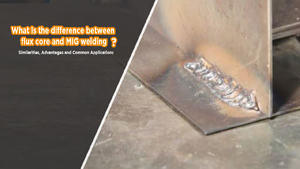
Welding stainless steel with flux core wire is a great way to achieve strong, clean welds without needing shielding gas. If you’re working on industrial projects, fabrication, or even home repairs, knowing the right stainless steel flux core welding settings is essential for success. Stainless steel is different from mild steel—it resists rust, has a higher melting point, and requires careful heat control.
I’ve worked on many stainless steel projects, and I can tell you firsthand that getting the right settings is the key to a strong, durable weld. Too much heat can warp the metal, while too little can result in poor penetration and weak welds. If you’ve ever struggled with spatter, burn-through, or inconsistent weld beads, chances are your settings need some tweaking.
If you’re looking for the best welding settings for stainless steel flux core, this guide will walk you through everything you need to know. From voltage and wire speed to polarity and shielding gas options, I’ll cover all the key details to help you achieve the best results.

What Is Flux Core Welding for Stainless Steel?
Flux core welding (FCAW) is a process that uses a hollow wire filled with flux to create the weld. The flux inside the wire produces a shielding effect, protecting the weld from contamination. This means you don’t always need external shielding gas, making it a great option for outdoor work or areas with high wind.
There are two main types of flux core wires for stainless steel:
- Self-Shielded Flux Core Wire: Does not require external gas and is great for fieldwork.
- Gas-Shielded Flux Core Wire: Requires CO₂ or a CO₂/Argon mix for better arc stability and less spatter.
Knowing which type you’re using will determine your welding settings.
Best Welding Settings for Stainless Steel Flux Core
Finding the right settings for your stainless steel flux core welds depends on the wire type, material thickness, and machine capabilities. Here’s a general guide to help you set up your welder:
| Material Thickness | Wire Diameter | Voltage | Wire Speed (IPM) | Polarity | Gas Requirement |
|---|---|---|---|---|---|
| 18-20 Gauge (Thin Sheet) | 0.030″ | 16-18V | 150-200 | DCEN (Electrode Negative) | Optional (for gas-shielded wire) |
| 1/8″ (Medium Thickness) | 0.035″ | 18-22V | 200-250 | DCEP (Electrode Positive) | Recommended |
| 1/4″ and Above (Thick Steel) | 0.045″ | 22-26V | 250-300 | DCEP (Electrode Positive) | Required |
These settings aren’t fixed but will give you a solid starting point. Always test on scrap metal before welding your actual project.
Choosing the Right Flux Core Wire for Stainless Steel
Not all flux core wires work for stainless steel. Here’s what to look for when selecting the right wire:
- Stainless Steel Grade: Match the wire to the stainless steel you’re welding. 309L is best for dissimilar metals, while 308L and 316L are great for general stainless welding.
- Wire Size: 0.030″ for thin metals, 0.035″ for general use, and 0.045″ for heavy-duty welding.
- Shielding Gas Compatibility: If using gas-shielded wire, check whether CO₂ or an Argon mix is recommended.
- Crack Resistance: High nickel content in some wires helps prevent cracking and warping.
How to Set Up Your Welder for Stainless Steel Flux Core Welding
- Select the Correct Wire: Use a stainless steel flux core wire that matches your base metal.
- Choose the Right Polarity: Most stainless flux core wires require DCEP (Electrode Positive) for deep penetration. Some self-shielded wires may use DCEN (Electrode Negative).
- Adjust Voltage and Wire Speed: Set voltage and wire speed based on material thickness and wire diameter.
- Use Proper Gas (If Required): Some stainless flux core wires need CO₂ or a mix of CO₂ and Argon for optimal performance.
- Set Travel Angle: Hold the torch at a 10-15 degree drag angle for a clean bead.
Techniques for Welding Stainless Steel with Flux Core Wire
- Use a Stringer Bead: Avoid weaving too much, as excessive heat can cause warping and discoloration.
- Control Heat Input: Stainless steel retains heat, so too much heat can cause burn-through. Adjust settings carefully.
- Clean the Metal Before Welding: Even though flux core is more forgiving, stainless steel needs to be free from oil, dirt, and oxidation for a strong weld.
- Minimize Spatter: Use gas-shielded wire if possible and fine-tune your settings to reduce excess spatter.
Common Problems and How to Fix Them
| Problem | Cause | Solution |
|---|---|---|
| Excessive Spatter | Too much voltage or incorrect wire feed speed | Lower voltage, adjust wire speed, and use gas if possible |
| Poor Penetration | Low voltage or wire speed too slow | Increase voltage and wire speed slightly |
| Burn-Through | Too much heat on thin metal | Lower voltage and use a faster travel speed |
| Cracking | Improper wire selection or cooling too fast | Use 309L wire, slow cool the weld, and adjust settings |
| Dirty Welds | Contaminated base metal or flux issues | Clean metal thoroughly before welding |
How to Reduce Heat Distortion When Welding Stainless Steel
Stainless steel is more sensitive to heat than mild steel. Too much heat can cause warping and stress cracks. Here’s how to prevent it:
- Use Short Welds: Instead of long beads, weld in small sections and allow cooling time.
- Use a Heat Sink: Clamping a thick piece of aluminum or copper behind the weld can help absorb excess heat.
- Reduce Amperage: Lowering heat input minimizes distortion. Test settings on scrap metal first.
Do You Need Shielding Gas for Stainless Steel Flux Core Welding?
Some stainless steel flux core wires require shielding gas (gas-shielded FCAW), while others don’t (self-shielded FCAW). If gas is needed, CO₂ or a CO₂/Argon mix is best.
- Self-Shielded Wire: No gas needed, works well outdoors.
- Gas-Shielded Wire: Needs 75% Argon / 25% CO₂ or 100% CO₂ for cleaner welds.
If you’re welding indoors or want cleaner results, gas-shielded wire is the better choice.
Conclusion
Welding stainless steel with flux core wire requires the right settings, wire selection, and technique. Unlike mild steel, stainless retains heat longer, which means heat control is crucial. If your settings are off, you’ll deal with excessive spatter, warping, and weak welds.
The best way to ensure a strong weld is to use the correct voltage, wire speed, and travel angle. If using a gas-shielded wire, use the right shielding gas to reduce spatter and improve penetration.
If you’re working on stainless steel exhausts, kitchen equipment, or structural work, getting the right settings will make all the difference.
Frequently Asked Questions
Can I weld stainless steel with regular flux core wire?
No, you need a stainless steel flux core wire designed specifically for stainless steel. Regular flux core wire is meant for mild steel and will lead to rust and weak welds.
What polarity should I use for stainless steel flux core welding?
Most stainless steel flux core wires use DCEP (Electrode Positive), but some self-shielded wires require DCEN (Electrode Negative).
Why is my stainless steel weld turning blue?
Excess heat causes oxidation, which turns the weld blue, brown, or gold. Use lower voltage and faster travel speed to minimize discoloration.
How do I prevent burn-through on thin stainless steel?
Use lower voltage, a smaller wire size (0.030″), and short welds to prevent excessive heat buildup.