
When I first picked up an oxy-fuel welding torch, I’ll admit it was a little intimidating. Two gas cylinders, regulators, hoses, valves, and a flame that could cut through steel—it’s a lot to take in at first. Once I learned how to adjust an oxy-fuel welding torch properly, everything started to feel a lot more natural and safe.
If you’re fixing a piece of farm equipment, fabricating custom metal art, or patching up a car chassis, adjusting your torch the right way is essential for clean, controlled welds.
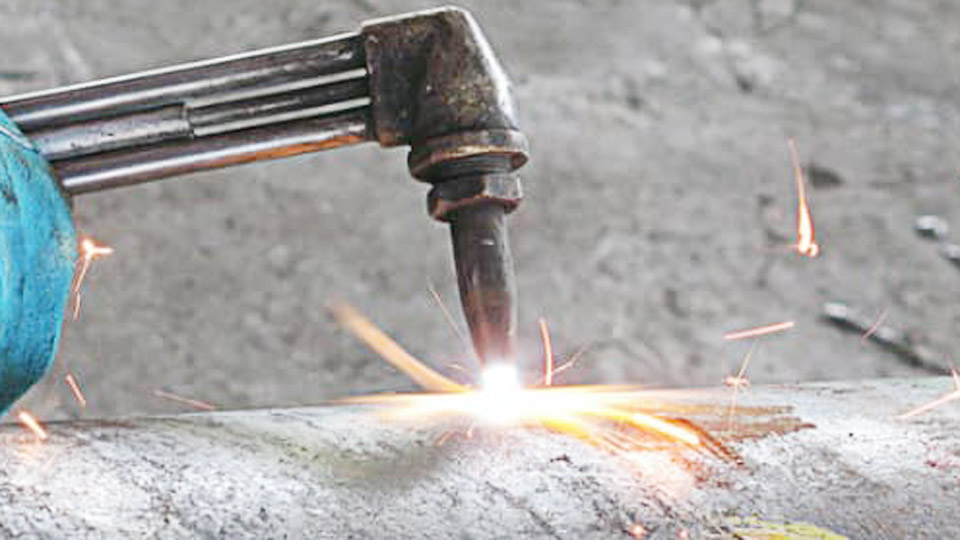
Photo @arccaptain
I’m going to walk you through the step-by-step process I follow every time I light up my torch. I’ll keep things simple, real, and practical—just like I would if we were standing in the shop together.
Why Proper Adjustment Matters
You wouldn’t drive your truck without checking your tire pressure, right? The same goes for your torch. Proper adjustment gives you a clean flame, ensures your safety, and helps you avoid wasting gas. An improperly adjusted torch can lead to backfires, soot-covered metal, and weak welds. Getting this part right makes all the difference in your results.
Understanding the Torch Components
Before adjusting anything, it’s good to get familiar with the main parts of the torch system. Here’s a quick overview:
| Component | Purpose |
|---|---|
| Oxygen Cylinder | Supplies pure oxygen for combustion |
| Fuel Gas Cylinder | Holds fuel gas like acetylene, propane, or MAP gas |
| Regulators | Control pressure from the cylinders |
| Hoses | Carry gases from regulators to the torch |
| Torch Handle | Where you grip and control gas flow |
| Cutting/Welding Tips | Attachments for flame shape and type of work |
| Valves (Oxygen & Fuel) | Fine-tune gas flow directly at the torch handle |
Once you’re comfortable identifying these, the process of adjusting becomes much more manageable.
Safety First – Always
Before we even touch the torch, safety is the top priority. Oxy-fuel equipment operates under high pressure and produces extremely hot flames. Here’s my go-to safety checklist:
- Always work in a well-ventilated area.
- Wear safety goggles or a face shield with appropriate shading.
- Use flame-resistant gloves and clothing.
- Keep a fire extinguisher close by.
- Stand to the side of the regulators when opening cylinder valves.
- Check hoses for leaks using a soapy water solution.
- Never use oil or grease on oxy-fuel equipment.
- Keep cylinders secured in an upright position.
When your safety gear is on and your surroundings are clear of flammable materials, you’re ready to move forward.
Setting Regulator Pressures
Here’s where we begin adjusting. Every fuel gas has different operating pressures, so it’s important to know what you’re working with. I mostly use acetylene, but this applies to other gases too with slight adjustments.
- Open the fuel gas cylinder valve slowly—about a quarter to a half turn.
- Then open the oxygen cylinder valve fully.
- Adjust the regulator on each cylinder:
- For acetylene, I usually set it to around 5–7 psi for welding.
- For oxygen, 10–15 psi is a good range depending on tip size and material thickness.
Make sure to refer to the torch and tip manufacturer’s recommendations for exact settings, but these ranges work for most general-purpose tasks.
Purging the Lines
Purging removes any air or moisture from the hoses before lighting the torch. This is something many beginners skip, but it’s crucial.
- Open the fuel gas valve at the torch and let it flow for a few seconds, then close it.
- Do the same with the oxygen valve.
You’ll hear a hiss as the gas escapes. That’s normal—just be sure to do it away from open flames.
Lighting the Torch the Right Way
Now for the part that gets a lot of folks nervous—igniting the flame. Don’t worry, I’ve got you covered.
- Open the fuel gas valve slightly on the torch handle.
- Use a spark lighter (never a regular lighter or match) to ignite the gas.
- You’ll get a yellow, lazy flame at first. That’s okay.
- Slowly open the oxygen valve until the flame sharpens and turns blue.
- Adjust both valves to get a neutral flame.
Let’s break that last part down a bit more.
Understanding Flame Types
There are three types of flames you can create by adjusting the oxygen and fuel mix:
| Flame Type | Appearance | Use Case |
|---|---|---|
| Carburizing Flame | Long, feathered inner cone | Best for flame hardening or brazing |
| Neutral Flame | Sharp, short blue inner cone | Ideal for welding |
| Oxidizing Flame | Small, pointed inner cone | Good for cutting metals |
For welding, a neutral flame is what you’re aiming for. The inner cone should be well-defined and not fluttering.
Adjusting for Cutting
If you’re using a cutting attachment instead of a welding tip, you’ll have a separate cutting oxygen lever. Here’s how I set up for cutting:
- Start with a neutral flame.
- Test the flame by pressing the cutting lever.
- The flame should remain steady. If it flares or shrinks, adjust your oxygen slightly.
Remember, cutting requires more oxygen than welding. Your settings may go as high as 40 psi for the oxygen regulator, depending on material thickness.
Common Problems and How to Fix Them
Sometimes things don’t go smoothly, and that’s okay. Here are a few issues I’ve run into over the years:
Flame keeps blowing out – You might be opening the fuel gas too fast, or there’s too much oxygen. Close the torch valves, relight slowly, and try again.
Backfire or popping sound – This often means the tip is blocked or dirty. Shut everything down, clean the tip, and relight.
Sooty flame – Too much fuel gas. Add more oxygen gradually until the flame sharpens up.
Flame doesn’t cut cleanly – You may need more oxygen pressure, or your tip might not be rated for the metal thickness.
It takes some trial and error, but you’ll get a feel for it. The more you practice, the more second nature it becomes.
Maintenance Tips for Consistent Performance
Your torch setup should work like a well-oiled machine. A few maintenance habits go a long way:
- Clean your torch tips regularly with a tip cleaner.
- Check hoses weekly for signs of wear or leaks.
- Don’t drag hoses around sharp corners or over rough concrete.
- Store regulators in a dry, dust-free space.
- Keep cylinder valves closed when not in use.
A well-maintained setup not only lasts longer but also helps you stay safe every time you strike a flame.
Choosing the Right Tip for the Job
Your welding or cutting tip has a big impact on how your torch performs. Bigger tips need more gas and deliver more heat—great for thicker metals. Smaller tips are better for thin sheet metal or detailed work.
Here’s a quick reference I use in my shop:
| Metal Thickness (inches) | Tip Size (approx.) | Oxygen PSI | Fuel Gas PSI |
|---|---|---|---|
| 1/16″ | #0 or #1 | 10–15 | 5–7 |
| 1/8″ | #2 | 20–25 | 7–10 |
| 1/4″ | #3 or #4 | 25–35 | 10–15 |
If in doubt, always start low and work your way up. You can add more heat, but you can’t undo a burn-through.
My Personal Routine Before Every Weld
Let me share what I do every time before welding with an oxy-fuel torch:
- Check regulator pressure settings.
- Purge lines for a few seconds.
- Confirm valves and hoses are leak-free.
- Light fuel gas gently.
- Add oxygen slowly until I get a neutral flame.
- Double-check the flame holds steady under load.
- Begin welding or cutting with confidence.
This rhythm keeps me consistent and helps avoid costly mistakes or dangerous surprises.
Conclusion
Adjusting an oxy-fuel welding torch properly isn’t just about getting a good flame. It’s about safety, efficiency, and setting yourself up for welding success. Once you understand the basics—regulator pressures, purging, lighting, and flame control—it all starts to feel natural. I’ve been doing this for years now, and I still follow the same steps every time.
There’s a sense of satisfaction that comes from lighting a clean, crisp neutral flame and knowing you’re ready to weld something strong and solid. So, take your time. Learn your setup. Respect the flame. And keep practicing. Before you know it, you’ll be adjusting that torch like it’s second nature.
Frequently Asked Questions
What happens if I open the oxygen valve before the fuel gas?
Opening oxygen first can lead to a dangerous situation, especially if there’s a leak. Always open fuel gas first when lighting, and oxygen first when shutting down.
Can I use propane instead of acetylene?
Yes, but propane burns cooler and works better for cutting than welding. You’ll also need different tips and slightly higher oxygen pressure.
How do I know if I have a neutral flame?
A neutral flame has a short, well-defined blue cone and makes a soft, steady sound. There’s no feathering or yellow tips.
Why does my torch make a popping noise?
That’s likely a backfire, which can be caused by low pressure, dirty tips, or improper flame adjustment.
Do I need to purge the lines every time?
Yes, especially if the setup has been sitting. It helps remove air and moisture for a stable flame.


