If you’re looking to braze copper with a nitrogen purge, you’re aiming for a top-notch, professional result. I’ve been brazing copper in my workshop for years, working on HVAC systems, refrigeration lines, and plumbing projects. Using a nitrogen purge while brazing keeps the inside of the copper pipe clean, preventing oxidation and ensuring strong, leak-free joints.
First time, I didn’t understand why purging mattered, and I ended up with black scale inside my pipes, which caused problems later. But after mastering the nitrogen purge technique, my brazes are cleaner and more reliable than ever.
I’m sharing my step-by-step process for brazing copper with a nitrogen purge, packed with tips from my real-world experience. Whether you’re a DIYer fixing a refrigeration line or a pro installing an AC system, I’ll keep it simple and engaging so you can get those joints perfect.
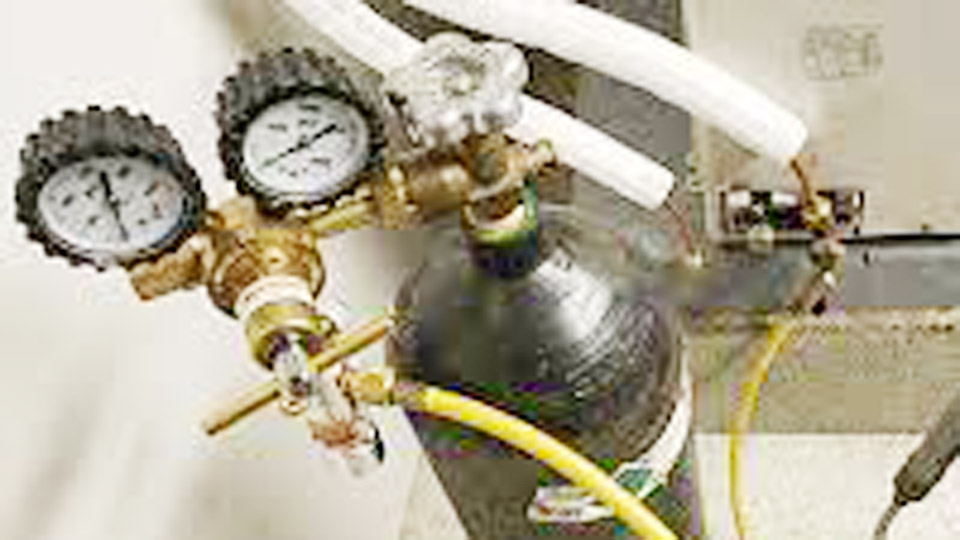
Image by acservicetech
Why Use a Nitrogen Purge When Brazing Copper?
Brazing copper with a nitrogen purge is a game-changer for critical applications like HVAC and refrigeration. I’ve used this method for years because it prevents oxidation inside the copper pipe. When you heat copper, oxygen in the air reacts with the metal, forming black scale (copper oxide) that can flake off and clog valves or compressors.
Nitrogen, an inert gas, pushes out oxygen, keeping the pipe’s interior clean. I’ve seen systems fail because of scale from improper brazing, and it’s a costly fix.
Purging with nitrogen ensures your joints are strong and your system stays reliable. It’s a must for refrigeration lines, medical gas systems, or any high-pressure setup. Let me explain how I do it to get clean, professional joints every time.
Basics of Brazing Copper with Nitrogen Purge
Before we dive into the how-to, let’s talk about what brazing copper with a nitrogen purge involves. When I first tried it, I was intimidated by the extra step of purging, but it’s not as complicated as it sounds. Brazing uses a torch to heat the copper pipe and fitting, and a filler metal (brazing rod) melts to flow into the joint, bonding them together.
The filler melts at a lower temperature than copper (which melts at 1984°F), so the pipe stays intact. The nitrogen purge runs a steady flow of nitrogen gas through the pipe during brazing to displace oxygen, preventing scale formation. Here’s what you’ll be working with:
- Torch: Heats the joint. I use an oxy-acetylene torch for precision.
- Nitrogen Tank and Regulator: Supplies a low-pressure nitrogen flow.
- Filler Metal: A brazing rod, like silver alloy for HVAC.
- Flux: A paste to clean the copper and help the filler flow.
- Copper Pipe and Fittings: Like 3/8-inch or 5/8-inch refrigeration lines.
- Cleaning Tools: Wire brushes or emery cloth to prep the copper.
- Safety Gear: Gloves, tinted glasses, and a fire-resistant jacket.
Let’s go through my step-by-step process, straight from my shop.
Step-by-Step Guide to Brazing Copper with Nitrogen Purge
Here’s how I braze copper with a nitrogen purge to create clean, leak-free joints. This process is tailored for HVAC or refrigeration systems, like joining a 5/8-inch copper line to a fitting. Follow these steps, and you’ll get professional results.
Step 1: Gather Your Tools and Materials
Before I start brazing, I make sure I have everything I need. Here’s my checklist:
- Oxy-acetylene torch with a small tip (#1 or #2) for control.
- Nitrogen tank with a regulator and flowmeter (set to 2–5 cubic feet per hour).
- Brazing rods (I use 15% silver alloy rods like Harris Stay-Silv 15 for HVAC).
- Flux (borax-based paste for silver alloy rods).
- Wire brush or emery cloth for cleaning.
- Safety gear: Welding gloves, tinted safety glasses (shade 5 or 6), and a fire-resistant jacket.
- Fire extinguisher and a bucket of water for safety.
- Copper pipes and fittings (like 3/8-inch or 5/8-inch refrigeration lines).
- Pipe cutter for clean, square cuts.
- Deburring tool or sandpaper to smooth pipe ends.
- Degreaser (like acetone) to clean surfaces.
- Nitrogen purge kit (hoses, fittings, and a flow restrictor).
- Clamps or pliers to hold pieces if needed.
- Heat-resistant mat or firebrick to protect your workspace.
I keep my tools organized to avoid stopping mid-job. One time, I forgot my nitrogen regulator, and it delayed my work. Now, I always check my supplies first.
Step 2: Prepare the Copper Surfaces
Clean copper is the foundation of a strong braze. Copper pipes and fittings can have tarnish, dirt, or oils, which block the filler. I start by cutting the pipe to length with a pipe cutter to get a clean, square edge. I deburr the cut end with a deburring tool or sandpaper to remove sharp burrs.
I clean the outside of the pipe and the inside of the fitting with a wire brush or emery cloth until they’re shiny. Copper oxidizes quickly, so I clean right before brazing.
I apply a thin layer of flux to both the pipe and fitting with a small brush. Flux removes oxides and helps the filler flow smoothly. For HVAC, I always use flux with silver alloy rods to ensure a clean joint.
Step 3: Set Up the Nitrogen Purge
Setting up the nitrogen purge is what makes this process special. I connect the nitrogen tank to a regulator with a flowmeter. I set the flow to 2–5 cubic feet per hour (CFH)—just enough to displace oxygen without wasting gas. Too much flow can cool the joint, making brazing harder.
I attach a hose to the regulator and a fitting to the open end of the pipe system. For example, if I’m brazing a 5/8-inch line, I cap one end of the system with a temporary plug and attach the nitrogen hose to the other end.
I open the nitrogen valve slowly and check for a gentle flow at the open end (like a faint breeze). I sometimes hold a lighter near the open end to confirm the flow—nitrogen will blow out the flame. I let the nitrogen run for 10–15 seconds to purge the pipe before brazing.
Step 4: Assemble the Joint
Before heating, I fit the copper pieces together. For example, if I’m brazing a 5/8-inch pipe to a tee, I slide the pipe into the tee until it’s fully seated. I check for a snug fit—a gap bigger than 0.002 inches can weaken the joint. If the fit is too tight, I sand the pipe lightly; if too loose, I choose a better fitting.
I align the pieces to avoid crooked joints. For complex setups, like a refrigeration coil, I use clamps or a jig to hold everything steady. I set the assembly on a firebrick to protect my workbench from the torch’s heat.
Step 5: Set Up Your Torch
I use an oxy-acetylene torch for brazing copper with a nitrogen purge because it gives me precise control. I set the regulators to about 5 psi for acetylene and 10 psi for oxygen, tweaking for a small tip. I light the torch with a striker and adjust to a neutral flame—blue with a sharp inner cone.
A neutral flame is hot but doesn’t oxidize the copper. Too much oxygen burns the metal, and too much acetylene leaves soot. I test the flame on a scrap piece of copper to ensure it’s right. For small pipes (3/8-inch or less), I use a smaller flame to stay precise.
Step 6: Heat the Joint with Nitrogen Flowing
With the nitrogen flowing, I start heating the joint. I hold the torch about 2–3 inches from the fitting and move it in a circular motion to heat evenly. Copper conducts heat fast, so I focus on the fitting first, since it’s thicker than the pipe.
I watch for the copper to turn a dull red, around 1100–1300°F, which means it’s hot enough for the filler to flow. The flux will turn clear and bubbly, signaling the joint is ready.
I keep the nitrogen flowing during heating to prevent scale inside the pipe. I’m careful not to overheat—too much heat can weaken the copper or burn the flux.
Step 7: Apply the Filler Metal
When the joint is dull red, I touch the brazing rod to the edge of the joint. If the temperature’s right, the rod melts and flows into the joint by capillary action. I don’t put the rod in the flame—the copper’s heat should melt it. I move the rod around the joint to create a smooth, even fillet.
For a 5/8-inch fitting, I use about 1–2 inches of 15% silver alloy rod. If the filler doesn’t flow well, I reheat slightly or check my flux application. I keep the nitrogen flowing to protect the pipe’s interior.
Step 8: Cool and Clean the Joint
After brazing, I let the joint cool naturally while the nitrogen is still flowing for a few seconds. I then turn off the nitrogen valve and remove the purge setup. Quenching in water can cause stress cracks in copper, so I avoid it. Once the joint is cool to the touch, I clean off any flux residue with a wire brush or warm water and a rag.
Flux can corrode copper over time, so I’m thorough. I inspect the joint for a shiny, even fillet with no gaps or cracks. A good braze looks like a clean silver ring around the joint, and the pipe’s interior should be free of scale.
Step 9: Test the Joint
Testing is critical for HVAC or refrigeration systems. I pressurize the system with nitrogen (100–200 psi) and use a soap solution to check for leaks at the joint. I brush the solution on and look for bubbles. For water lines, I run water through and check for drips with a dry cloth.
If I find a leak, I depressurize, clean the joint, and re-braze. I once skipped thorough testing on a refrigeration line, and a small leak caused a system failure.
Choosing the Right Filler Metal and Flux
Picking the right brazing rod is crucial for brazing copper with a nitrogen purge. For HVAC and refrigeration, I use 15% silver alloy rods (like Harris Stay-Silv 15) because they flow smoothly and create strong joints. They melt at around 1200–1300°F, perfect for oxy-acetylene and nitrogen purging.
Copper-phosphorus rods (like BCup-5) are cheaper and self-fluxing, but I use them less for purged systems because silver alloy is more reliable for critical applications. I always use borax-based flux with silver rods to ensure a clean joint.
Here’s a quick guide to the filler metals I use:
| Filler Type | Best For | Flux Required? |
|---|---|---|
| 15% Silver Alloy | HVAC, refrigeration, high-pressure joints | Yes |
| Copper-Phosphorus | General copper joints | No (but I use flux for cleaner results) |
I choose silver alloy for purged brazing because it’s the gold standard for clean, strong joints.
Techniques for Better Brazing with Nitrogen Purge
Brazing with a nitrogen purge requires precision, especially for HVAC work. Here are some tricks I’ve learned to make my joints cleaner and stronger.
Maintain a Steady Nitrogen Flow
I set the nitrogen flow to 2–5 CFH and check it regularly. Too much flow cools the joint, and too little lets oxygen in. I feel for a gentle breeze at the open end to confirm the flow is right.
Heat the Fitting First
Fittings are thicker than pipes, so I heat them first to bring the joint to an even temperature. I move the flame around the fitting, then the pipe, to avoid overheating. This ensures the filler flows smoothly.
Keep the Flame Moving
Oxy-acetylene is hot, so I keep the flame moving in circles to spread the heat. Lingering in one spot can burn the copper or flux. A steady hand prevents hot spots and warping.
Work in a Ventilated Space
Brazing produces fumes, especially from flux. I work in a shop with good ventilation or use a fume extractor to stay safe. Tinted safety glasses (shade 5 or 6) and welding gloves are a must—I got a spark on my arm once, and it hurt.
Braze in the Right Position
Horizontal joints are easiest because gravity helps the filler flow. For vertical joints, I heat the bottom first to draw the filler upward. For overhead joints, I use a smaller flame to avoid drips. Practice makes positioning easier.
Common Mistakes and How to Avoid Them
I’ve made plenty of mistakes brazing copper with a nitrogen purge. Here are the ones I’ve learned to avoid.
Skipping the Nitrogen Purge
Not purging lets oxygen form scale inside the pipe. I always set up the nitrogen flow and confirm it’s running before heating. It’s a small step that saves big headaches.
Overheating the Copper
Too much heat can warp or weaken the copper. I watch for dull red and keep the flame moving. If I overheat, I let the metal cool before trying again.
Poor Surface Preparation
Dirty copper leads to weak joints. I once brazed a tarnished pipe, and it leaked. Now, I scrub until shiny and use a degreaser for oils.
Incorrect Nitrogen Flow
Too much or too little nitrogen can mess up the braze. I stick to 2–5 CFH and check the flow with my hand or a lighter. Consistent flow is key.
Using Too Little Filler
Skimping on filler can leave gaps. I use enough rod to form a complete fillet around the joint. If the filler doesn’t flow fully, I reheat slightly and add more.
Applications for Brazing Copper with Nitrogen Purge
I’ve brazed copper with a nitrogen purge for all sorts of projects. Here are some common ones:
- HVAC Systems: Joining refrigeration lines for air conditioners or heat pumps.
- Refrigeration: Brazing pipes for commercial freezers or chillers.
- Medical Gas Systems: Creating clean joints for oxygen or nitrous oxide lines.
- Plumbing: Installing high-pressure water lines where cleanliness matters.
- Industrial Systems: Building copper lines for process cooling or gas delivery.
Each job needs careful prep and testing, but nitrogen purging ensures top-quality results.
Safety Tips for Brazing with Nitrogen Purge
Brazing with a nitrogen purge involves high heat, gas tanks, and fumes, so safety is critical. Here’s what I do to stay safe:
- Wear Protective Gear: Tinted glasses (shade 5 or 6) protect my eyes, and welding gloves shield my hands from sparks.
- Ventilate the Area: Flux fumes can be harmful. I work in a well-ventilated shop or use a fume extractor.
- Keep a Fire Extinguisher Nearby: Sparks can start fires. I have an extinguisher and a water bucket ready.
- Secure the Nitrogen Tank: I chain the tank to a wall or cart to prevent tipping. A falling tank is dangerous.
- Check for Gas Leaks: I use a soap solution to check nitrogen and torch gas connections before starting.
One time, a spark caught a rag on fire, so I’m extra cautious now.
Helpful Suggestions for Brazing Success
Here are some tips I’ve picked up to make brazing copper with a nitrogen purge easier and more reliable:
- Practice on Scrap: Braze spare pipes with nitrogen to test your setup and filler flow. It’s a warm-up that saves mistakes.
- Use a Quality Flowmeter: A good flowmeter ensures accurate nitrogen flow. Cheap ones can be unreliable.
- Keep Supplies Fresh: Store flux and rods in sealed containers to avoid contamination.
- Invest in Quality Rods: Cheap rods can lead to weak joints. I use trusted brands like Harris.
- Test Every Joint: Pressure-test with nitrogen and soap solution to catch leaks early.
- Work Slowly: Rushing leads to sloppy joints. Take your time with cleaning, purging, and heating.
Braze Copper with Nitrogen Purge Like a Pro
Brazing copper with a nitrogen purge is a skill that takes your work to the next level. There’s nothing like seeing a clean, scale-free joint you created, knowing it’ll keep an HVAC or refrigeration system running smoothly for years.
I’ve spent years refining my technique, learning from scale-filled pipes, leaky joints, and rushed prep. With clean copper, the right filler, a steady nitrogen flow, and thorough testing, you can make joints that are strong, clean, and reliable. Follow my steps, practice on scrap, and don’t skip the purge. Every joint you braze is a chance to improve your craft.
Common Questions About Brazing Copper with Nitrogen Purge
Why do I need a nitrogen purge when brazing copper?
Nitrogen prevents oxygen from forming scale inside the pipe, keeping the system clean and reliable.
What’s the best brazing rod for copper with a nitrogen purge?
I use 15% silver alloy rods like Harris Stay-Silv 15 for HVAC and refrigeration. They’re strong and flow well.
Do I need flux with a nitrogen purge?
Yes, for silver alloy rods, I use borax-based flux to clean the copper and help the filler flow.
Why did my brazed joint leak?
Leaks come from dirty copper, overheating, or too little filler. Clean thoroughly, control heat, and use enough rod.
How much nitrogen flow should I use?
I set the flow to 2–5 cubic feet per hour. It’s enough to displace oxygen without cooling the joint.
How do I know if I’m overheating the copper?
If the copper turns bright red or glows, it’s too hot. Use a neutral flame and keep it moving.
How do I clean flux off after brazing?
I use a wire brush or warm water and a rag to remove flux residue to prevent corrosion.
Can I braze copper without a nitrogen purge?
Yes, but for HVAC or refrigeration, purging prevents scale that can damage the system.