
Hydraulic oil has a way of getting everywhere once a hose bursts or a fitting starts leaking. One minute you’re working normally, and the next you’re dealing with a slippery floor, oil-soaked tools, and the risk of someone getting hurt if the mess isn’t handled quickly.
That’s exactly why learning How to Clean Up Hydraulic Oil properly matters in workshops, garages, and heavy equipment jobs.
Cleaning hydraulic oil isn’t just about wiping the surface and moving on. The oil can soak into concrete, create fire hazards, and leave dangerous slick spots if the right cleanup method isn’t used. I’ve seen small leaks turn into bigger problems simply because the spill wasn’t cleaned thoroughly the first time.
A proper cleanup saves time, protects equipment, and keeps the work area safe for everyone around it. I’ll walk through practical cleanup methods, the tools that actually help, and the steps that make removing hydraulic oil faster and less frustrating.
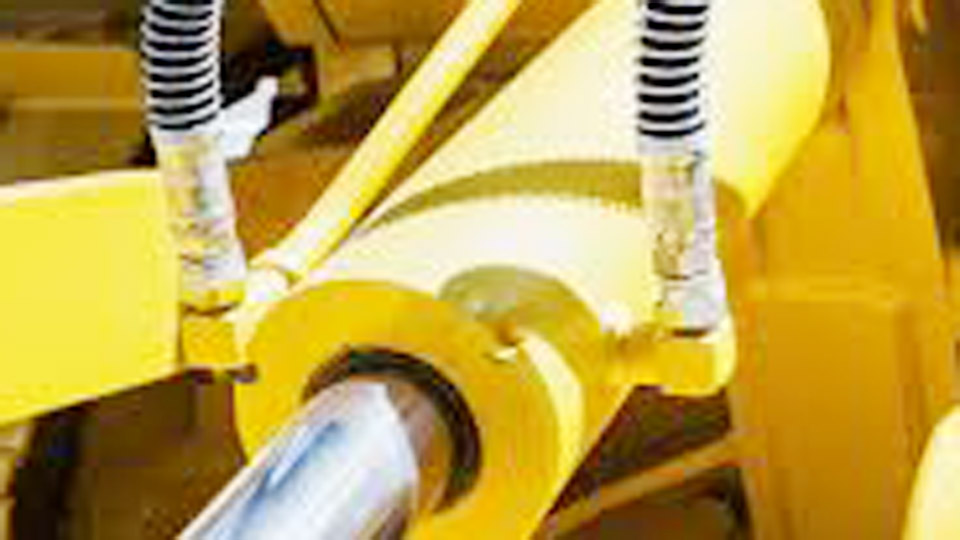
Image by hydraulicoilcleanup
Why Hydraulic Oil Spills Happen in Welding and Fab Shops
Hydraulic systems power the heavy machinery that makes our jobs easier, but they’re prone to failure. Hoses rub against sharp edges, fittings loosen from vibration, seals wear out, and overpressurization during a big bend can cause bursts. In a shop with welders moving around torches, grinders, and plasma cutters, these incidents are almost inevitable.
The oil itself is slick, persistent, and can create slip hazards worse than water. It also attracts dirt, turning into a gummy mess that tracks everywhere.
Left untreated, it seeps into concrete pores, stains permanently, and can contaminate stormwater drains if you’re near an outside area—something OSHA and EPA take seriously in the US.
Immediate Safety Steps When a Spill Happens
Stop everything the moment you spot a leak or spill. First, shut down the machine safely and isolate the area. Throw up cones, tape, or even welding screens to keep foot traffic away—nothing ruins a day like a coworker eating concrete because of hidden oil.
Wear proper PPE: nitrile gloves (hydraulic oil can irritate skin), safety glasses, and non-slip boots. If the spill is large or in a confined space, consider ventilation because some fluids release fumes. Never use compressed air to blow it around; that just spreads the problem and aerosolizes it.
Step-by-Step Guide: How to Clean Up Hydraulic Oil Effectively
Step 1: Contain the Spill
Act fast before it spreads under benches or into pits. Use absorbent booms, socks, or even temporary barriers like kitty litter or sandbags around the edges. In my shop, we keep oil-only absorbent pads and booms near every hydraulic machine—cheap insurance.
Step 2: Absorb the Bulk
This is where most of the work happens. Spread a generous layer of oil absorbent granules, clay-based kitty litter (non-clumping), or commercial oil-dry over the spill. Work it in with a broom, let it sit, and repeat until no more free oil is visible. For fresh spills, this can soak up 80-90% of the volume.
I’ve had good results with both standard Oil-Dri and specialized powders that turn the oil into a rubbery solid for easier pickup. Sweep or shovel the saturated material into heavy-duty plastic bags or drums labeled for used absorbents.
Step 3: Tackle the Residue
The remaining sheen is the tricky part. Dawn dish soap (the original blue) cut with hot water works surprisingly well for light residues—it’s a degreaser that’s gentle on skin and concrete.
For tougher jobs, use a dedicated shop degreaser or biodegradable cleaner formulated for petroleum products. Scrub with a stiff broom or floor machine, then rinse or mop thoroughly.
On asphalt or porous concrete common in older shops, you might need multiple applications and agitation. Pressure washing helps, but capture the runoff—don’t let it go down the drain.
Step 4: Final Clean and Dry
Wipe down tools, machine bases, and surrounding areas. Let the floor air dry or use fans. Test for slipperiness by walking carefully before reopening the area.
Choosing the Right Absorbents and Cleaners for Shop Use
Not all absorbents are equal. Oil-only products repel water and target hydrocarbons, perfect for our hydraulic fluids. Universal absorbents handle more but can get heavy when wet. Reusable mats or rugs are great for high-traffic machines—they stay in place and can be wrung out or laundered in some cases.
For cleaners, avoid anything too harsh on your shop floor or that leaves a slippery film. Test small areas first. In welding zones, ensure no residue interferes with your next MIG or stick weld—oil contamination causes porosity and weak beads.
Comparison of Common Absorbents:
- Clay Granules (Oil-Dri): Inexpensive, widely available, good capacity. Dusty and heavy when saturated.
- Polypropylene Pads/Socks: Quick, clean, high absorption for oil. More expensive upfront but less mess.
- Specialized Powders: Turn oil into solid for easy disposal. Great for smaller spills.
- Cat Litter (Clay): Budget emergency option. Works but less efficient than dedicated products.
Dealing with Hydraulic Oil on Different Surfaces
Concrete Floors
Most common in US welding shops. Oil soaks in quickly. Absorb first, then use a degreaser and scrub. For old stains, a poultice of absorbent and solvent can draw it out over days.
Metal Equipment and Tools
Wipe with rags and degreaser. Avoid getting solvent into hydraulic reservoirs or electrical components. For presses and brakes, clean thoroughly to prevent contamination of new fluid.
Asphalt or Outdoor Areas
Tougher because oil bonds strongly. Heavy absorbent layer, let sit overnight, sweep, then pressure wash with capture. Multiple treatments may be needed.
Welding Tables and Fixtures
Critical—oil ruins clamp hold and weld quality. Clean immediately with solvent rags, then acetone or brake cleaner for final prep before welding.
Proper Disposal of Hydraulic Oil and Absorbents
This is where many shops slip up. Used hydraulic oil is hazardous waste in many states. Never pour it down drains or on the ground. Collect in labeled, sealed drums. Check with local recycling centers, auto shops, or waste haulers—many accept used oil for free or low cost.
Saturated absorbents are often treated as oily waste. Double-bag them and dispose according to local rules. Some services launder reusable pads, reducing long-term costs and landfill use.
Keep records of disposal for compliance audits. In a fabrication business, one big fine can erase months of profit.
Preventing Future Hydraulic Oil Spills
The best cleanup is the one you never need. Inspect hoses and fittings weekly—look for cracks, bulges, or wet spots. Replace hoses on a schedule, not just when they fail. Use proper torque on fittings and route hoses away from abrasion points.
Install drip pans or absorbent mats under high-risk areas. Train everyone in the shop on quick shutdown procedures. Keep a spill kit stocked and visible near major equipment.
For welders running their own equipment, learn basic hydraulic maintenance: check fluid levels, replace filters on schedule, and watch for temperature spikes that signal problems.
Common Mistakes Beginners and Experienced Welders Make
New guys often panic and try to wipe everything with one rag, spreading the mess. Pros sometimes ignore small leaks thinking “it’s just a drip.” Both are wrong. Small leaks become big ones fast under pressure.
Another error: using the wrong cleaner and leaving a residue that causes weld defects later. Or disposing improperly and risking environmental citations. I’ve seen experienced fabricators skip PPE and end up with skin issues from prolonged contact.
Rushing the final rinse leaves slippery floors—always verify dryness and traction.
Tools and Supplies Every Welding Shop Should Keep on Hand
- Spill kit with absorbents, gloves, and bags
- Heavy-duty plastic drums for waste
- Dawn or equivalent degreaser
- Stiff brooms and scrub brushes
- Pressure washer with runoff capture (if applicable)
- Oil-only pads and booms
- Labeled waste containers
Stock these near hydraulic equipment so response is immediate.
Handling Large Spills or Emergency Situations
For major releases—think 5+ gallons—contain first, then call in professional help if it reaches drains or soil. Document everything for insurance and regulatory purposes. In a shop with active welding, evacuate spark-producing activities until the area is safe.
Smaller shops can usually handle incidents internally with good prep, but know your limits.
Key Takeaways for Cleaner, Safer Welding Operations
Dealing with hydraulic oil doesn’t have to derail your project. Quick containment, effective absorption, thorough residue removal, and proper disposal keep your shop running smoothly. By treating every spill seriously and building prevention habits, you’ll avoid downtime, maintain weld quality, and protect your team.
The one pro tip I’d give any welder: Build the habit of walking your equipment at the start and end of every shift. A two-minute visual check on hoses and cylinders prevents most disasters. That small discipline separates the shops that struggle with messes from those that stay productive and professional.
FAQ
How long should I let absorbent sit on a hydraulic oil spill?
For fresh spills, 15-30 minutes is often enough for initial absorption, but overnight for heavier or older stains gives better results. Check and add more if it’s still pulling oil.
Can I use regular household cleaners for hydraulic oil in my shop?
Dawn dish soap works well for light cleanup, but for shop-scale jobs, dedicated degreasers are better. Avoid anything that doesn’t break down petroleum effectively or leaves residue.
Is hydraulic oil considered hazardous waste?
Yes, in most US jurisdictions. Dispose through approved recyclers or waste services. Check local regulations—mixing it with other wastes can complicate things.
What’s the fastest way to clean a small hydraulic leak on concrete?
Absorbent granules or pads for the bulk, followed by Dawn/hot water scrub and rinse. Keep pads stocked for instant response.
How do I prevent hydraulic oil from ruining my next weld?
Clean affected base metal thoroughly with degreaser, then wipe with acetone or brake cleaner right before welding. Oil contamination is a top cause of porosity in MIG and TIG.


