I meet a lot of people who tell me they’ve always wanted to learn welding but never knew where to begin. Maybe they’ve watched someone lay down a smooth bead or seen a custom-built project and thought, “I wish I could do that.” The truth is, every welder you know—myself included—started out with shaky hands, mixed settings, and a whole lot of curiosity.
What makes welding exciting is how quickly the basics click once you understand a few core principles. With the right machine, some scrap metal, and a little guidance, you can start making real, usable welds far sooner than you’d expect. And that’s the moment welding becomes addictive—you realize you can build, repair, and create almost anything.
If you’re ready to dive in but want a clear, no-nonsense path forward, let me show you the essential steps that will get you welding safely, confidently, and without unnecessary frustration.
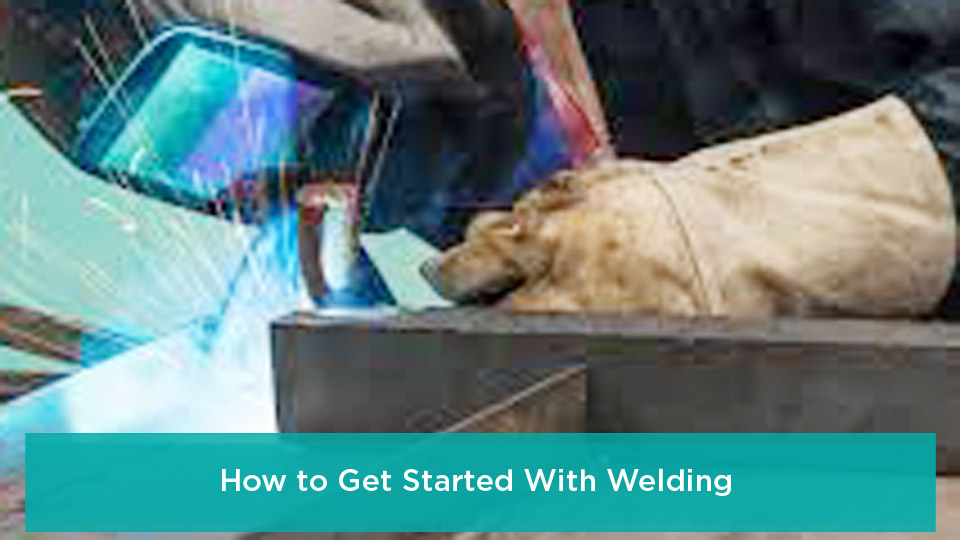
Image by bottlegases
Why Welding Still Matters
Welding keeps the world together. Bridges, trucks, oil rigs, race cars, barbecue pits, and that gate you want in your backyard all depend on somebody who can lay a solid bead. Good welds save lives, bad welds cost millions, and half-assed welds give the rest of us a bad name.
Learning it right from the beginning means you’ll build stuff that lasts, make decent side money, or even turn it into a six-figure career without a college degree.
Choosing Your First Welding Process (The One That Won’t Make You Hate Life)
Stick Welding (SMAW) – The Grandpa That Still Kicks Ass
I always put every beginner on a stick machine first. Why? Because if you can run decent 7018 beads with an engine-driven cracker box on a windy job site, every other process feels easy. 7018, 6011, 6013 rods are cheap and available at any Tractor Supply or Home Depot in the States. You learn arc length, travel speed, and angle the hard way, and that muscle memory carries over forever.
MIG Welding (GMAW) – The “Point and Shoot” Everybody Loves
MIG is the gateway drug. Solid wire, shielding gas, trigger squeeze, pretty beads. A Lincoln 140 or Hobart Handler 140 will weld anything from exhaust tubing to ⅜ plate in your garage. Short-circuit transfer on .030 wire with C25 gas (75/25 argon-CO2) is what 90% of hobbyists and small shops run daily.
Flux-Core Welding (FCAW-S) – No Gas Bottle, No Excuses
Same gun as MIG, but the wire has the flux inside. Perfect for outside work or when you’re too cheap to buy argon (been there). Downside is the slag and smoke, but it cuts through rust and mill scale like angry bees.
TIG Welding (GTAW) – Beautiful, Slow, and Expensive to Learn
Save TIG for later unless you’re doing stainless food-grade or aluminum boats. You’ll thank me when you’re not broke and frustrated after week one.
Essential Welding Equipment You Actually Need (Not the Amazon Wishlist Fantasy)
- Auto-darkening helmet – Spend $100–$150 once (I still use a Lincoln Viking 1740 series I bought in 2013)
- Good leather gloves – Tillman, Revco, or Caiman. Cheap pigskin melts.
- 100% cotton or fire-resistant jacket – No polyester hoodies, ever
- Welding machine – For most beginners in the USA: Lincoln Power MIG 140MP or Hobart Handler 140
- Angle grinder with flap discs and grinding wheels
- Chipping hammer and wire brush
- Clamps – Vise-Grips and C-clamps are your best friends
- Soapstone, sharpie, and a 12-inch combination square
Skip the $79 Harbor Freight “200-amp” special unless you enjoy crying.
Safety Gear and Rules I Enforce in My Shop (Break Them and You’re Walking Home)
Flash burns feel like sand in your eyes for two days. I’ve had them, you don’t want them. Long sleeves, closed shoes, no nylon, proper shade lens, good ventilation or a respirator when grinding galvanized. If you’re welding in a closed garage, crack the door and run a box fan. Your lungs will thank you at 50.
Setting Up Your First Welding Space on a Budget
I started on a folding table in a 10×10 shed. You need:
- Sturdy metal table (an old office desk frame welded solid works)
- Ground clamp that actually bites clean metal
- Fire extinguisher within arm’s reach
- Decent lighting – LED shop lights beat that single bulb swinging from the ceiling
Understanding Base Metals and Filler Matches (The Part That Saves You Money)
Mild steel is 99% of what beginners touch. A36 structural, hot-rolled, cold-rolled – they all weld the same with ER70S-6 wire or 7018 rods. Aluminum? Wait until you have a spool gun or AC TIG. Stainless? 308 filler and tri-mix gas. Cast iron? Ni-99 rod and a lot of patience.
Joint Types and Preparation (Because 90% of Ugly Welds Are Dirty Metal)
Butt, lap, T, corner, edge. Bevel anything over ¼ inch. Gap your joints 1/16–3/32 for root pass on MIG or stick. Grind or wire-wheel mill scale and rust until it shines. I keep a dedicated 4½-inch grinder with a knotted wire cup just for cleaning.
Your First MIG Settings Cheat Sheet (For .030 Wire on Mild Steel)
| Thickness | Amps | Voltage | Wire Speed (approximate) | Notes |
|---|---|---|---|---|
| 16 ga | 50–70 | 16–18 | 150–200 ipm | Short-circuit, close stickout |
| 1/8″ | 90–110 | 18–20 | 250–350 ipm | Still short-circuit |
| 3/16″ | 130–150 | 20–23 | 350–450 ipm | Spray transfer starting |
| 1/4″ | 160–180 | 24–27 | 450–550 ipm | Multi-pass or spray |
Travel slow enough to hear the bacon fry, fast enough the puddle doesn’t get ahead of you.
Running Your First Beads – The Exact Steps I Teach
- Clean metal bright
- Clamp a piece of 1/8 flat bar dead flat on the table
- Set machine to 90–100 amps, 19 volts for MIG
- Helmet down, gun at 10–15° push angle, ⅜–½ stickout
- Pull trigger, watch the puddle form, move steady like you’re dragging a pencil
- Stop, chip slag (stick) or brush wire wheel (MIG), look at it honestly
Your first bead will look like bird poop. Mine did. By bead number 50 you’ll see a stack of dimes if you keep arc length tight.
Common Beginner Mistakes I Still See Every Class
- Too long stickout – turns into sparklers
- Travel speed all over the place – worm tracks
- Angle changing mid-pass – undercuts like a chainsaw
- Not watching the puddle – you’re welding blind
- Cranking heat to “make it wet” – you just burn holes
Practice Projects That Actually Teach Skills
Coupon beads → straight stringers → outside corners → lap joints → T-joints → butt joints with root and cap → 2G horizontal plate test (the one that makes or breaks job interviews).
Real projects I give new guys:
- Simple campfire grill grate
- Trailer hitch receiver repair plate
- Heavy-duty sawhorse
- Square tubing workbench frame
Reading the Puddle – The Skill Nobody Can Teach in Text
Good puddle is bright, fluid, washes into the toes clean. Cold puddle stacks high and ropy. Hot puddle sags and undercuts. You’ll feel it when the machine is singing and your hand isn’t fighting you.
Moving From Hobby to Side Cash to Real Paychecks
Every welder I know who makes serious money started exactly where you are. Combo welders (MIG/stick/flux-core) who can pass a 3G test with 7018 make $25–$45/hr traveling the Midwest right now. Learn pipe later if you want the big bucks.
When to Upgrade Your Machine
Once you’re burning through a 10-pound spool every month and cussing the duty cycle on your 140-amp box, step up to a 200–250 class multi-process (Lincoln 215MP or Miller Multimatic 220). You’ll never outgrow it in a garage setting.
Building a Welding Portfolio Even if You’re Just Starting
Take clear pictures of every decent joint. Date them. Six months from now you’ll look back and laugh, then realize how far you’ve come. Those photos get you helper jobs, then burner jobs, then real welding positions.
Conclusion
The barrier to entry has never been lower. A decent MIG setup costs less than a new iPhone on payments, rods are cheap, and scrap metal is free if you ask the right scrapyard guy for drops. The only thing standing between you and laying legitimate beads is picking up the hood and burning rod until it clicks. Start small, stay safe, keep the arc tight, and in three months you’ll wonder why you ever thought this was hard.
Pro tip that took me years to learn: clean metal and consistent travel speed fix 95% of problems. The other 5% is just more practice.
FAQ
How much does it cost to start welding at home in 2025?
Realistic minimum for MIG: $800–$1,200 gets you a solid 140-amp machine, auto-darkening helmet, gloves, and a couple tanks of C25. You can start cheaper with a stick machine for under $500 if you already have 220V.
Can I teach myself welding without classes?
Yes. I did. Classes speed things up and keep you from learning bad habits, but burning rod every single day beats a $4,000 six-week course if you’re disciplined.
Is welding dangerous for beginners?
Only if you’re stupid about it. Eye flash, burns, and fumes are real, but proper PPE and ventilation make it safer than driving to work.
How long until I can weld something usable?
Most guys lay presentable beads in a weekend if they focus. Something you’d trust your truck to? Three to six months of regular practice.
What’s the easiest welding process for complete beginners?
MIG with .030 solid wire and C25 gas on clean 1/8 mild steel. It’s literally point, squeeze, move. Everything else teaches you more, but MIG keeps you from quitting in frustration.