
Finding dried paint on a stainless steel sink can feel like an impossible mess, but the good news is—it’s easier to tackle than you think. Stainless steel is durable, but it still needs the right approach to prevent scratches or dull spots during stain removal. Many people wonder if they should scrub with force, use a paint remover, or rely on simple cleaning tips with household items.
The key is knowing which products are safe and which techniques actually work without damaging the sleek, shiny surface. In this guide, we’ll share step-by-step methods to safely remove dried paint, along with smart bathroom cleaning and disinfecting tricks to keep your sink looking spotless and fresh.
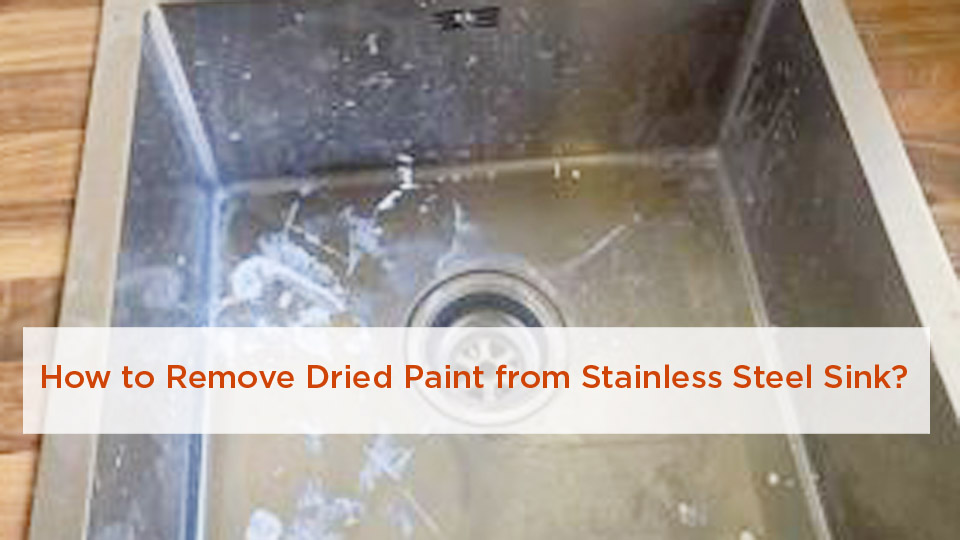
Image by reddit
Why Paint Sticks to Stainless Steel and Why It’s Tricky to Remove
Stainless steel sinks are a staple in welding shops and home garages because they’re tough, resist corrosion, and handle the abuse of heavy-duty cleaning. But their smooth, polished surfaces can be a magnet for paint, especially when it dries. Wet paint clings easily, and once it hardens, it bonds tightly to the metal, making removal a challenge without the right approach.
The type of paint matters, too. Latex and acrylic paints, common in DIY projects, are water-based and easier to soften. Oil-based paints, often used for metalwork or industrial applications, are tougher and require solvents.
As welders, we often deal with both types, whether we’re painting a fabricated piece or touching up shop equipment. The key is to start gentle to avoid scratching the sink’s surface, which could ruin its finish or weaken its corrosion resistance.
Pro Tip: Always identify the paint type before starting. If you’re unsure, test a small spot with warm soapy water. If it softens, it’s likely water-based. If not, you’re probably dealing with oil-based paint, and you’ll need a stronger solvent.
Tools and Materials You’ll Need for Paint Removal
Before we get to the methods, let’s talk about what you’ll need. As a welder, you likely have most of these in your shop already, but it’s worth double-checking to avoid improvising with tools that could damage your sink.
- Soft cloths or microfiber towels: For gentle wiping and drying.
- Plastic scraper or old credit card: Safe for scraping without scratching.
- Non-abrasive sponge or scrub pad: Think Scotch-Brite or a soft kitchen sponge.
- Dish soap: A mild, grease-cutting option works best.
- White vinegar or rubbing alcohol: Great for water-based paints.
- Acetone or nail polish remover: Effective for oil-based paints.
- Baking soda: For making a gentle abrasive paste.
- Mineral spirits or denatured alcohol: For stubborn oil-based paint.
- Gloves and safety glasses: Protect your hands and eyes, especially with solvents.
- Microfiber cloth for polishing: To restore the sink’s shine.
- Optional: Stainless steel cleaner: For a final polish.
Shop Insight: I keep a dedicated “clean-up kit” in my shop with these items. It saves time when paint splatters happen, which they always do when you’re juggling welding and painting tasks.
Method 1: Warm Soapy Water for Fresh or Latex Paint
If the paint is fresh or you’re dealing with latex paint, start with the simplest method: warm soapy water. This is your go-to for water-based paints, which are common in home projects or when you’re touching up non-metal surfaces in the shop.
Fill your sink with warm water and add a few drops of dish soap. Let the painted area soak for 10–15 minutes to loosen the paint. Then, use a soft sponge or cloth to gently scrub in circular motions. If the paint is stubborn, try a plastic scraper or an old credit card to lift it carefully. Rinse thoroughly and dry with a microfiber cloth to prevent water spots.
Common Mistake: Don’t rush in with a metal scraper or steel wool. I made this mistake early in my career, and it left swirl marks on my sink that took forever to buff out. Stick to plastic or non-abrasive tools to keep the finish intact.
When to Use: This method works best for fresh paint or small latex splatters. It’s safe, cheap, and uses stuff you already have in the shop.
Method 2: Vinegar or Rubbing Alcohol for Water-Based Paints
If soapy water doesn’t cut it, step up to vinegar or rubbing alcohol. These household staples are surprisingly effective at softening dried latex or acrylic paint without harming stainless steel.
Soak a cloth or paper towel in white vinegar or rubbing alcohol and place it over the paint stain. Let it sit for 15–30 minutes to break down the paint. Then, scrub gently with a non-abrasive sponge, following the grain of the stainless steel to avoid swirl marks. Rinse with warm soapy water and dry with a microfiber cloth.
Personal Anecdote: I once had a sink covered in latex paint splatters after a rushed shop cleanup. Vinegar saved the day—cheap, non-toxic, and it didn’t leave a chemical smell in my workspace. I let the soaked cloth sit for 20 minutes, and the paint wiped off like magic.
Why It Works: Vinegar’s acidity and rubbing alcohol’s solvent properties dissolve water-based paint without damaging the sink’s protective layer.
Method 3: Baking Soda Paste for Gentle Abrasion
For slightly stubborn paint or when you want a natural approach, a baking soda paste is a welder’s best friend. It’s mildly abrasive, safe for stainless steel, and great for small, dried spots.
Mix baking soda with water to form a thick paste. Apply it directly to the paint stain and let it sit for 10–15 minutes. Scrub gently with a soft sponge or cloth in the direction of the sink’s grain. Rinse thoroughly and dry to restore the shine.
Pro Tip: If the paste dries out while sitting, re-wet it with a damp cloth before scrubbing. This keeps it effective and prevents scratching.
When to Use: Ideal for small, stubborn latex paint spots or when you want to avoid chemical solvents. It’s also great for welders who prefer eco-friendly solutions.
Method 4: Acetone for Oil-Based Paints
Oil-based paints are tougher, often used in welding shops for coating metal projects. Acetone or nail polish remover is a powerful solvent for these stains, but it requires caution.
Test acetone on a small, hidden area of the sink first to ensure it doesn’t dull the finish. Soak a cotton ball or soft cloth in acetone and dab it onto the paint. Let it sit for 2–3 minutes to soften the paint, then wipe gently with a non-abrasive sponge. Rinse thoroughly with soapy water and dry with a microfiber cloth.
Safety Note: Work in a well-ventilated area and wear gloves. Acetone is flammable, so keep it away from welding torches or open flames in your shop.
Shop Insight: I’ve used acetone to clean oil-based paint off my sink after painting a custom motorcycle frame. It worked fast, but I learned to use it sparingly to avoid residue buildup.
Method 5: Mineral Spirits or Denatured Alcohol for Stubborn Stains
For the most stubborn oil-based paint, mineral spirits or denatured alcohol are heavy-duty options. These solvents are common in welding shops for cleaning tools or prepping metal surfaces, so you might already have them on hand.
Apply a small amount to a soft cloth and test in an inconspicuous area. Rub the paint stain gently in circular motions until it dissolves. Wipe away residue with a clean cloth, then wash the sink with soapy water and dry thoroughly.
Common Mistake: Don’t pour solvents directly into the sink—it’s wasteful and can mess with your plumbing. Use a cloth to control the application.
When to Use: Reserve this for thick, dried oil-based paint or when other methods fail. Always follow with a thorough rinse to remove solvent residue.
Method 6: Commercial Paint Strippers as a Last Resort
If nothing else works, a commercial paint stripper designed for metal surfaces is your final option. Choose one labeled safe for stainless steel and follow the manufacturer’s instructions. Apply with a cloth, let it sit for the recommended time (usually 15–30 minutes), and scrape off the softened paint with a plastic scraper. Rinse thoroughly and polish with a stainless steel cleaner.
Shop Insight: I’ve only had to use a paint stripper once, after a client’s kid “decorated” my shop sink with spray paint. It worked, but the fumes were intense, so I opened every window and ran a fan.
Safety Note: Wear gloves, safety glasses, and work in a well-ventilated area. Paint strippers are strong chemicals, so handle them with the same care you’d use when prepping for a weld.
Comparison Table: Paint Removal Methods for Stainless Steel Sinks
| Method | Best For | Pros | Cons | Tools Needed |
|---|---|---|---|---|
| Warm Soapy Water | Fresh or latex paint | Cheap, safe, easy | Less effective for dried paint | Soap, sponge, cloth |
| Vinegar/Rubbing Alcohol | Latex or acrylic paint | Non-toxic, household items | Takes time to soften paint | Vinegar, alcohol, cloth, sponge |
| Baking Soda Paste | Small latex paint spots | Eco-friendly, gentle | Not effective for oil-based paint | Baking soda, water, sponge |
| Acetone | Oil-based paint | Fast, effective | Flammable, requires ventilation | Acetone, cotton ball, cloth |
| Mineral Spirits | Stubborn oil-based paint | Strong solvent, shop staple | Messy, requires careful application | Mineral spirits, cloth, sponge |
| Paint Stripper | Very stubborn paint | Highly effective | Toxic, expensive, last resort | Paint stripper, plastic scraper |
Common Mistakes Welders Make When Removing Paint
We welders are a hands-on bunch, but that can lead to some rookie mistakes when cleaning a sink. Here are pitfalls I’ve seen (and made) and how to avoid them:
Using Steel Wool or Wire Brushes: These are great for cleaning welds but terrible for stainless steel sinks. They leave scratches and embed rust-prone particles. Stick to non-abrasive pads.
Skipping the Test Spot: Always test solvents like acetone or paint stripper on a hidden area. I once dulled a corner of my sink by jumping straight in with a strong chemical.
Ignoring the Grain: Stainless steel has a visible grain from polishing. Scrubbing against it causes swirl marks. Always scrub or wipe along the grain.
Not Rinsing Thoroughly: Solvent residue can dull the finish or contaminate tools. Rinse with soapy water and dry completely.
Overusing Solvents: More isn’t better. Use small amounts to avoid waste and plumbing issues.
Polishing and Restoring Your Sink’s Shine
Once the paint is gone, your sink might look dull or have minor scratches. Here’s how to bring back that showroom shine, welders’ style.
Use a non-abrasive stainless steel cleaner, like Bar Keepers Friend, and a microfiber cloth. Apply the cleaner along the grain, rinse thoroughly, and dry. For light scratches, make a baking soda paste, rub it gently with a soft cloth, and rinse. If you want a quick fix, a dab of olive oil on a cloth can buff out minor dullness and repel water spots.
Pro Tip: Polish your sink weekly to prevent paint and grime buildup. It’s like maintaining your welding machine—regular care saves you headaches later.
Safety Considerations for Welders
As welders, we’re used to handling hazardous materials, but paint removal has its own risks. Solvents like acetone and mineral spirits are flammable, so keep them away from welding torches or sparks. Work in a well-ventilated area—open shop doors or use a fan.
Wear gloves and safety glasses to protect against chemical splashes. If you’re using a paint stripper, follow the label instructions like you would a welding code.
Shop Insight: I always keep a fire extinguisher near my cleaning station. It’s overkill for most paint removal, but after years of welding, I don’t take chances with flammable chemicals.
Preventing Paint Splatters in Your Shop
The best way to deal with paint in your sink is to prevent it. Here are shop habits I’ve adopted to keep my stainless steel sink paint-free:
- Use Drop Cloths: Lay down tarps or old sheets around your sink when painting.
- Designate a Paint Station: Clean brushes and tools in a utility bucket, not your main sink.
- Wipe Spills Immediately: Fresh paint is way easier to clean than dried paint.
- Use Sink Protectors: A sink grid or mat can catch drips before they stick.
Personal Anecdote: Early on, I ruined a sink by washing paint rollers in it without a bucket. Now, I keep a cheap plastic tub for paint cleanup—it’s saved my sink and my sanity.
Conclusion: Your Sink, Your Pride
Removing dried paint from a stainless steel sink doesn’t have to be a headache. By starting with gentle methods like soapy water or vinegar and escalating to solvents only when needed, you can restore your sink’s shine without compromising its durability.
As welders, we know the value of a clean workspace—it boosts efficiency, keeps tools in top shape, and reflects the pride we take in our craft. Whether you’re a DIYer tweaking a project in your garage, a student learning the ropes, or a pro running a busy shop, these methods will help you tackle paint splatters with confidence.
Final Pro Tip: Keep a small bottle of rubbing alcohol in your shop for quick paint cleanups. It’s cheap, versatile, and works on most paint types without the fuss of stronger solvents.
FAQ
What’s the safest way to remove paint from a stainless steel sink without scratching it?
Start with warm soapy water and a soft sponge for latex paint. For dried or oil-based paint, use a plastic scraper or rubbing alcohol. Always scrub along the sink’s grain and avoid steel wool or metal tools, which can leave scratches and rust particles.
Can I use steel wool to clean paint off my stainless steel sink?
No, avoid steel wool. It scratches the surface and leaves behind particles that can rust, damaging your sink’s finish. Use non-abrasive pads like Scotch-Brite or a plastic scraper instead.
How do I know if the paint on my sink is latex or oil-based?
Test a small spot with warm soapy water. If it softens, it’s likely latex. If it resists, try rubbing alcohol or acetone—it’s probably oil-based. Always test solvents in a hidden area first.
What should I do if I accidentally scratch my sink while removing paint?
For light scratches, apply a baking soda paste and rub gently along the grain with a soft cloth. For deeper scratches, use a stainless steel cleaner or a scratch removal kit from a hardware store. Polish afterward to restore shine.
Can I use paint thinner on a stainless steel sink?
Yes, but sparingly. Paint thinner (like mineral spirits) works for oil-based paint but should be applied with a cloth, not poured directly. Rinse thoroughly to avoid residue, and work in a well-ventilated area.


