
Working inside a hot shop during summer, with a helmet on and thick gloves trapping every bit of heat, can wear you down faster than the arc itself. After a few beads, sweat starts dripping into your eyes, your focus drops, and suddenly even a simple weld feels harder than it should.
That’s where learning how to stay cool welding becomes more than comfort—it becomes part of working safely and consistently.
In real welding conditions, heat stress can mess with your concentration, slow your movements, and increase the chance of mistakes like poor bead control or missed joints.
I’ve seen welders rush their work just to get out of the heat, only to end up with welds they later had to grind out and redo. Managing temperature isn’t just about feeling better—it directly affects the quality of your work.
That’s why this topic matters for anyone spending long hours at the bench or in the field. In this guide, I’ll break down practical, real-world ways to reduce heat stress, stay focused, and keep your welding performance steady even when the shop feels like an oven.
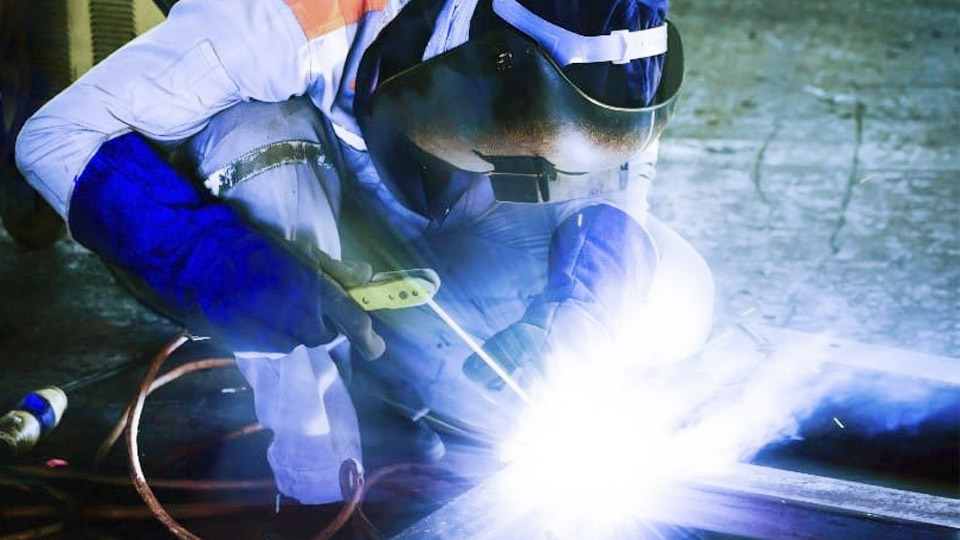
Image by adamsgas
Why Heat Management Matters in Real Welding
Heat affects everything. Too much, and thin sheet metal waves like a flag, joints pull out of alignment, and you’re grinding for hours to fix it. Too little, and you get lack of fusion, slag inclusions, or rods that stick instead of flowing.
In summer shop conditions, personal heat stress adds another layer—reduced focus leads to mistakes, and ignoring it risks heat exhaustion.
From my experience, the best welders treat heat like a tool they dial in, not an enemy to fight blindly. Proper techniques save material, reduce post-weld cleanup, and keep projects moving.
Understanding Heat Input: The Foundation of Cool Welding
Heat input is the energy you deliver to the weld area, usually measured in joules per inch. It depends on amperage, voltage, travel speed, and process. High heat input widens the heat-affected zone (HAZ), causing more expansion and contraction as it cools, which leads to distortion.
How it works: The arc melts the base metal and filler, creating a puddle. As it solidifies, shrinkage pulls the surrounding metal. On thick stock, this is manageable. On thin stuff like 16-gauge auto body panels or aluminum, it’s a nightmare without control.
When and why to use it: Always calculate or estimate heat input for critical jobs. Lower heat for thin materials or distortion-prone alloys like stainless or aluminum. Higher for thick structural steel needing deep penetration.
Practical tips: Use the rule of thumb for TIG on steel: about 1 amp per 0.001 inch of thickness as a starting point. For MIG or stick, match settings to material and position. Track your travel speed—faster movement spreads heat less.
Common beginner mistake: Cranking amperage to make the rod “burn easier.” Pros start lower and adjust based on puddle behavior.
Choosing the Right Process for Heat Control
Different processes give you different levels of heat control.
SMAW (Stick Welding): Great for outdoor or dirty jobs but higher heat input overall. Use it when portability matters.
MIG (GMAW): Faster deposition, but can put more heat in if not pulsed. Excellent for production.
TIG (GTAW): Best heat control with foot pedal or pulse settings. Ideal for precision and thin materials.
When to choose: TIG for control on thin or exotic metals. MIG for speed on thicker mild steel. Stick for repairs in the field.
In my shop, I switch to TIG when distortion is a deal-breaker, like on custom brackets or exhaust work.
Amperage Settings and Electrode Choices That Keep Things Cool
Correct amperage prevents overheating the metal and your equipment.
For common SMAW electrodes on mild steel (flat position):
- 3/32″ 6010/6011: 40-90 amps
- 1/8″ 6010/6011: 75-125 amps
- 3/32″ 7018: 50-90 amps
- 1/8″ 7018: 90-150 amps
Adjust down 10-20% for vertical/uphill, up slightly for flat. Thinner electrodes (smaller diameter) run cooler and give finer control on light material.
How to dial it in: Strike an arc on scrap, watch the puddle. If it’s sluggish and the rod sticks, increase amps slightly. If it’s too fluid, spitting, or burning through, drop it. Listen to the arc— a steady crackle is good; a hiss means too hot.
Pro tip: For 7018 low-hydrogen rods, keep them dry and use settings toward the lower end to minimize hydrogen cracking risks while controlling heat.
Joint Preparation and Fit-Up: Preventing Heat Problems Before They Start
Clean metal and tight fit-up are non-negotiable. Rust, paint, or oil increases resistance and forces higher amps.
Step-by-step prep:
- Grind or wire-brush to bright metal.
- Bevel thick plates for better access and less filler.
- Clamp or tack securely—gaps force you to add more weld metal, meaning more heat.
Tight fit-up lets you use smaller beads and lower overall heat. On repair jobs, I’ve seen distorted frames fixed simply by better prep and back-step welding.
Techniques to Minimize Distortion and Stay Cool on the Weld
Intermittent (stitch) welding: Instead of a continuous bead, weld short segments with cooling breaks. Perfect for sheet metal or long seams.
Back-step or skip welding: Weld in the opposite direction of progression, or alternate sides. This balances shrinkage forces.
Peening: Light hammering while warm can relieve stresses, but do it carefully.
Heat sinks: Clamp copper or aluminum bars near the weld to draw heat away. Great for thin tubing.
Travel speed and weave: Move steadily—too slow builds heat. Minimal weave on thin material; stringer beads are cooler.
Pulsing: On machines that support it, pulse settings drop average heat while maintaining good fusion. Game-changer for MIG on thin stock or TIG.
Common pro mistake: Rushing a long weld without breaks. The metal gets hotter cumulatively, and distortion sneaks up.
Managing Personal Heat: Staying Comfortable in the Shop
Welding in summer or poorly ventilated shops turns you into a human furnace. Hydration, clothing, and airflow are key.
Hydration: Drink water before you’re thirsty. Electrolyte drinks help. Keep a bottle within arm’s reach but out of the arc zone.
Clothing and gear: Lightweight, breathable FR layers under leathers. Welding sleeves instead of full jackets when possible. Cooling vests or neck wraps for extreme heat.
Airflow: Shop fans, portable blowers, or exhaust systems. Position them to move air without blowing your shielding gas away. Umbrellas or shades for outdoor work.
Breaks: Schedule them. Step away, cool down, check your work. Fatigue leads to sloppy technique.
Helmet and torch cooling: Some powered air systems or belt fans drop helmet temps significantly. Water-cooled TIG torches for long sessions.
I’ve welded in Texas heat—fans pointed low, frequent breaks, and light base layers made all the difference.
Machine and Consumable Tips for Cooler Operation
Don’t push your welder beyond duty cycle in hot weather. Give it rest periods. Clean vents and use auxiliary fans on the machine.
Choose guns or torches rated appropriately—sometimes a slightly lower-rated but more flexible MIG gun stays cooler in hand. Shorter cables reduce resistance and heat buildup.
For rods, store properly to avoid moisture that forces hotter settings.
Material-Specific Advice
Mild steel: Forgiving, but still watch thin sections.
Stainless: High heat retention—lower amps, faster travel, back purge if needed.
Aluminum: Conducts heat fast—use higher travel speeds, pulse, and clean thoroughly. Backing bars help.
Thick plate: Can take more heat but sequence welds to balance.
Comparison of Heat Control Methods
| Method | Best For | Pros | Cons | Heat Reduction |
|---|---|---|---|---|
| Intermittent Welds | Sheet metal, long seams | Less total heat, easy | May need more passes | High |
| Pulse Settings | TIG/MIG thin materials | Precise control, good fusion | Requires capable machine | Very High |
| Back-Stepping | Structural, frames | Balances shrinkage | Takes planning | Medium |
| Heat Sinks/Clamps | Thin or precision | Draws heat away | Setup time | High |
| Faster Travel | All processes | Simple, effective | Needs practice | Medium-High |
Experiment on scrap to see what works for your setup.
Step-by-Step Guide: Welding Thin Mild Steel Without Warping
- Prep surfaces and fit tightly.
- Tack every 2-4 inches, alternating sides.
- Set low amperage (e.g., 70-90A for 1/8″ 6013 on 16ga).
- Weld short stitches, cool between.
- Alternate direction or sides.
- Check flatness frequently; peen lightly if needed.
- Let cool naturally—no quenching unless specified.
This approach has saved me hours on patch panels and brackets.
Advanced Tips from the Shop Floor
- Use temporary strongbacks or fixtures to hold alignment.
- Preheat thick materials evenly to reduce differential cooling.
- For repairs, sometimes cut out more material to allow for better heat distribution.
- Monitor your body—dizziness or nausea means stop immediately.
Beginners often overlook cumulative heat; pros plan sequences like a chess game.
Real-World Examples
On a recent trailer repair, the frame had buckled from previous bad welds. I used stitch welding with 7018 at conservative amps, clamped to the table, and alternated sides. Came out straight with minimal grinding. Another time, TIG on aluminum diamond plate—pulse settings and copper backing kept it flat.
Wrapping Up Your Cooler Welding Approach
Mastering how to stay cool welding comes down to respecting heat at every stage: settings, technique, prep, sequencing, and personal comfort. You’ve got the processes, amperage guidance, distortion fixes, and practical habits to produce better results with less frustration.
Whether it’s SMAW on a farm repair or TIG on a custom fab, these methods reduce rework, improve safety, and make long days more bearable.
The strongest advice I can give, passed down from old-timers: Slow is smooth, and smooth is fast. Take the time to control heat upfront, and your welds—and you—will hold up better in the end.
FAQ: Common Questions on Staying Cool While Welding
How do I prevent warping when welding thin metal?
Use low amperage, small diameter rods or wire, intermittent stitches, and let sections cool between passes. Clamp to a heavy table or use heat sinks. Avoid continuous beads.
What amperage should I run for 1/8″ 7018 rods?
Start around 90-120 amps for flat positions on mild steel. Adjust based on puddle and position—lower for vertical. Test on scrap first.
Does MIG or TIG put less heat into the metal?
TIG generally allows better control and lower overall heat input, especially with pulsing and foot pedal. MIG is faster but can introduce more heat if settings are high.
How can I stay personally cool in a hot shop?
Hydrate constantly, use fans positioned safely, wear breathable FR layers, take breaks in shade or AC, and consider cooling vests for extreme conditions.
What’s the biggest mistake that causes excessive heat buildup?
Overwelding—laying bigger beads than needed—or welding too slowly. Focus on proper fit-up and minimal filler to keep heat down naturally.


