When it comes to welding techniques, choosing the right method can be a bit tricky because there are so many options out there. Two popular methods I often come across are laser welding and resistance welding. Each has its own unique set of characteristics, benefits, and limitations.

Image by baisonlaser
If you’re trying to figure out which one to use for your next project or are simply curious about how these two compare, I’ll break down everything you need to know.
Let’s dive into the world of laser welding and resistance welding to explore the differences, their advantages, and where they fit best in different applications.
What is Laser Welding?
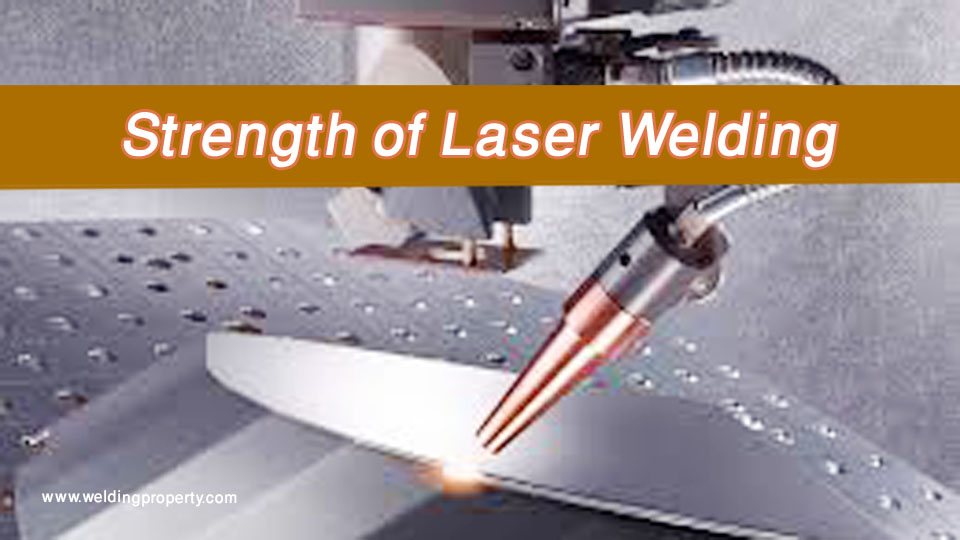
Laser welding is a modern welding technique that uses a laser beam to join pieces of metal or thermoplastics. It’s highly focused, with the laser beam generating heat to fuse the materials together. Laser welding can achieve deep, narrow welds and is well-suited for applications where precision is essential.
The heat-affected zone (HAZ) is relatively small compared to other welding methods, which reduces the risk of material warping or distortion.
Laser welding is often used in industries where precision and aesthetics matter, like in the medical device field, automotive, aerospace, and even jewelry manufacturing. It can handle a variety of materials, including stainless steel, aluminum, and titanium.
What is Resistance Welding?
Resistance welding is an older, well-established welding technique that uses electrical resistance to generate heat. In this process, an electric current is passed through the materials being welded, and the resistance to this current produces heat, which melts the materials at the contact point. Pressure is applied to form the weld, and once the heat is removed, the joint solidifies.
Common types of resistance welding include spot welding, seam welding, and projection welding. Resistance welding is known for its speed and efficiency, making it ideal for mass production and applications like automotive manufacturing, where joining sheets of metal quickly is essential.
How Do Laser Welding and Resistance Welding Compare?
Both methods can produce strong, durable welds, but they operate quite differently. Let’s take a closer look at how these two welding techniques stack up against each other.
Heat Input and Control
Laser Welding
Laser welding is very precise and allows for targeted heat input. The focused laser beam produces a small heat-affected zone, which minimizes the risk of thermal distortion. This is especially important when working on thin or delicate materials where excessive heat can cause warping.
Resistance Welding
Resistance welding generates heat over a broader area because the heat is produced through electrical resistance across the entire contact area. While this can be controlled to some extent, the heat-affected zone is generally larger than in laser welding.
Welding Speed
Laser Welding
Laser welding can be extremely fast, especially for thin materials. It’s suitable for high-speed automation, such as in the automotive industry, where precise and quick welds are needed.
Resistance Welding
Resistance welding is also known for its speed, especially when it comes to spot welding. It can join multiple layers of thin sheets simultaneously, making it a popular choice for assembly line production.
Material Compatibility
Laser Welding
Laser welding is versatile and can be used on a wide range of materials, including dissimilar metals. It’s particularly effective on reflective metals like aluminum and copper, provided the laser parameters are carefully controlled.
Resistance Welding
This method works well with conductive metals like steel and aluminum. However, it can be challenging to use with materials that have vastly different electrical conductivities, as the heat generation can be uneven.
Thickness of Material
Laser Welding
It is suitable for thin to medium-thickness materials, with the ability to create deep, narrow welds. For thicker materials, additional passes or techniques may be needed.
Resistance Welding
It is more effective on thin materials, particularly sheet metal. Spot welding, for instance, is commonly used for joining sheet metal in the automotive industry.
Equipment Cost and Maintenance
Laser Welding
The initial equipment cost for laser welding is high. Laser systems are complex and require significant investment, plus maintenance can be costly due to the precision components.
Resistance Welding
Resistance welding equipment is generally less expensive to purchase and maintain. This makes it more accessible for smaller shops or businesses that need a cost-effective solution for joining materials.
Pros and Cons of Laser Welding
Like any welding method, laser welding has its own set of advantages and limitations.
Advantages
- Precision: The high level of precision is one of the main reasons to choose laser welding. It’s great for small, intricate parts.
- Minimal Distortion: The small heat-affected zone reduces the risk of warping or material deformation.
- Non-Contact Process: There’s no need for physical contact with the materials being welded, which reduces wear and tear on the equipment.
- High Welding Speed: Suitable for automation and high-volume production.
Disadvantages
- High Equipment Cost: Laser welding machines are expensive to purchase and maintain.
- Requires Skilled Operator: Proper use of laser welding equipment requires training and experience.
- Safety Concerns: The laser light can be harmful if safety protocols aren’t strictly followed.
Pros and Cons of Resistance Welding
Resistance welding also comes with its own set of strengths and weaknesses.
Advantages
- Cost-Effective: Lower equipment costs compared to laser welding.
- Fast Production Speed: Ideal for mass production and can weld multiple layers at once.
- Reliable for Sheet Metal: Commonly used for automotive manufacturing due to its efficiency with sheet metal.
Disadvantages
- Limited to Certain Materials: Works best with conductive metals and can be challenging for materials with different electrical conductivities.
- Wider Heat-Affected Zone: Can cause more thermal distortion compared to laser welding.
- Requires Contact: The process involves applying pressure to the materials, which can lead to wear and tear on the electrodes.
Comparison of Laser Welding vs Resistance Welding
| Aspect | Laser Welding | Resistance Welding |
|---|---|---|
| Heat Input | Minimal, highly controlled | Higher, less controlled |
| Speed | High, suitable for automation | Very high, suitable for mass production |
| Material Compatibility | Wide range, including dissimilar materials | Mostly conductive metals |
| Material Thickness | Best for thin to medium materials | Ideal for thin sheet metals |
| Equipment Cost | High | Lower |
| Maintenance | Requires regular, costly maintenance | Lower maintenance cost |
| Operator Skill Required | High | Moderate |
| Heat-Affected Zone | Small | Larger |
| Contact with Material | Non-contact | Contact is required |
When to Use Laser Welding
Laser welding is an excellent choice when you need high precision and minimal thermal distortion. If you’re working on a project that involves delicate components, intricate designs, or materials that are prone to warping, laser welding can help achieve the desired results.
Laser welding is also suitable for automation, making it perfect for industries like automotive and electronics, where speed and accuracy are crucial. If you’re welding materials with different thermal properties or reflective metals, laser welding’s versatility can come in handy.
When to Use Resistance Welding
Resistance welding shines in mass production settings, especially when dealing with sheet metal. If you need to produce a high volume of welds quickly, it’s hard to beat the speed and efficiency of resistance welding.
This method is commonly used in automotive manufacturing for welding body panels and other thin metal components.
If you’re looking for a cost-effective solution and don’t need the precision that laser welding offers, resistance welding might be the better choice. It’s reliable, fast, and requires less specialized training compared to laser welding.
Which One Should You Choose?
The decision between laser welding and resistance welding comes down to your specific project requirements. Here are some factors to consider:
- Precision Needs: If your project requires precise, clean welds with minimal heat distortion, go for laser welding.
- Production Volume: For high-volume production, especially with sheet metal, resistance welding offers faster and more cost-effective results.
- Material Type: Laser welding can handle a broader range of materials, including dissimilar metals. Resistance welding is more suitable for conductive metals.
- Budget: Resistance welding is generally more budget-friendly, while laser welding demands a higher initial investment.
Safety Considerations
No matter which welding method you choose, safety should always come first. Here are some safety tips for each type:
Laser Welding Safety Tips
- Wear protective eyewear with the correct filter rating.
- Use proper ventilation to avoid exposure to fumes.
- Follow the laser system’s safety guidelines closely.
Resistance Welding Safety Tips
- Wear protective gloves and a welding helmet.
- Keep electrodes clean and properly maintained.
- Ensure that all electrical components are safely grounded.
Conclusion
Both laser welding and resistance welding have their places in the welding world, each offering distinct advantages that cater to different needs. While laser welding stands out for its precision, speed, and versatility, resistance welding is unbeatable for high-volume, cost-effective production.
Choosing between the two boils down to your project’s demands. If you need clean, accurate welds on delicate materials, laser welding is your best bet. For projects that require speed and involve sheet metal, resistance welding will get the job done efficiently.
Understanding the strengths and limitations of each method helps you make informed decisions, ensuring the success of your welding projects. If you opt for laser welding or resistance welding, each technique has its own way of making the metal come together seamlessly.