
Stainless steel is everywhere. From kitchen appliances to industrial machinery, it’s a material that offers strength, corrosion resistance, and durability. But not all stainless steel is the same.
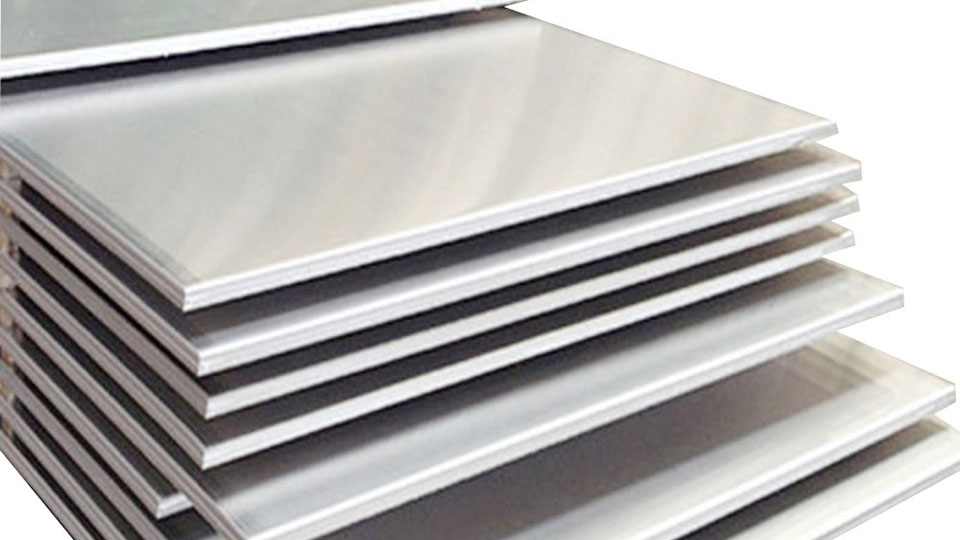
Image by indiamart
If you’re working with welding, fabrication, or engineering, you’ve probably heard of 308 and 309 stainless steel. They might seem similar at first, but there are some key differences that can impact which one you should use.
I’ve worked with both 308 and 309 stainless steel, and I can tell you that choosing the right one matters. If you’re welding, manufacturing, or selecting materials for a project, understanding the differences between these two stainless steel types can save you time, money, and frustration.
Let’s break down 308 vs 309 stainless steel in a way that’s easy to understand.
What is 308 Stainless Steel?
308 stainless steel is an austenitic stainless steel alloy that is primarily used for welding 304 and 304L stainless steel. It contains:
- 20% Chromium – Provides corrosion resistance
- 10-11% Nickel – Improves strength and ductility
- Iron & Small Carbon Content – Enhances durability
Since it closely matches 304 stainless steel, it’s commonly used in food processing equipment, medical tools, and household appliances. It offers great corrosion resistance and maintains strength at high temperatures.
What is 309 Stainless Steel?
309 stainless steel is also an austenitic stainless steel alloy, but it’s designed to withstand higher temperatures and more demanding conditions. It contains:
- 23-25% Chromium – Offers superior oxidation resistance
- 12-14% Nickel – Provides higher heat resistance and strength
- Iron & Small Carbon Content – Improves durability
Because of its high heat resistance, 309 stainless steel is used in furnace parts, heat exchangers, and welding dissimilar metals (like stainless steel to carbon steel).
Differences Between 308 and 309 Stainless Steel
If you’re trying to decide between 308 and 309 stainless steel, the main differences come down to temperature resistance, composition, and welding applications. Here’s a simple breakdown:
| Feature | 308 Stainless Steel | 309 Stainless Steel |
|---|---|---|
| Chromium Content | 20% | 23-25% |
| Nickel Content | 10-11% | 12-14% |
| Corrosion Resistance | High | Higher |
| Heat Resistance | Up to 1650°F (900°C) | Up to 2000°F (1093°C) |
| Best for Welding | 304 and 304L stainless steel | Dissimilar metals & high-temperature environments |
| Common Uses | Food processing, household appliances, general fabrication | Furnace parts, heat exchangers, welding carbon steel to stainless steel |
As you can see, 309 stainless steel has higher chromium and nickel content, which makes it better for high-heat applications and welding dissimilar metals.
When to Use 308 Stainless Steel
If you’re working with 304 stainless steel, 308 stainless steel is your best choice. Here’s why:
- Perfect Match for 304 Stainless Steel – 308 is designed to weld and fabricate 304 and 304L stainless steel with minimal risk of cracking.
- Good Corrosion Resistance – Works well in damp environments, food processing, and chemical industries.
- Cost-Effective – Since it doesn’t have as much nickel and chromium as 309, it’s more affordable.
This makes 308 stainless steel great for everyday applications that don’t involve extreme heat or welding different metals together.
When to Use 309 Stainless Steel
If you need something that can handle high heat or weld dissimilar metals, 309 stainless steel is the better choice. Here’s when you should use it:
- High-Temperature Applications – 309 stainless steel can handle up to 2000°F, making it perfect for furnace parts, heat exchangers, and boiler components.
- Welding Dissimilar Metals – If you need to weld stainless steel to carbon steel, 309 is the way to go. It creates a strong bond between different metals.
- Better Corrosion Resistance – With more chromium and nickel, it performs well in harsh industrial environments.
Because of these properties, 309 stainless steel is commonly used in extreme conditions where 308 wouldn’t hold up as well.
Welding Differences Between 308 and 309 Stainless Steel
If you’re a welder, you might be wondering which filler wire or rod to use when working with these materials.
- Use 308 filler wire when welding 304 and 304L stainless steel. It provides a clean, strong weld with good corrosion resistance.
- Use 309 filler wire when welding stainless steel to carbon steel or high-temperature applications. It creates a strong, durable weld that can withstand heat and oxidation.
If you’re working on structural fabrication, exhaust systems, or industrial equipment, 309 welding rods are often the best option.
Advantages and Disadvantages of 308 and 309 Stainless Steel
Each type of stainless steel has its pros and cons depending on the job.
Advantages of 308 Stainless Steel
✅ Ideal for 304 Stainless Steel – Matches perfectly with 304/304L for clean, strong welds.
✅ Good Corrosion Resistance – Works well in moist, acidic, and industrial environments.
✅ Cost-Effective – Lower chromium and nickel content make it cheaper than 309.
Disadvantages of 308 Stainless Steel
❌ Not Ideal for High Heat – Can’t handle extreme temperatures like 309 stainless steel.
❌ Not for Dissimilar Metal Welding – Doesn’t bond well with carbon steel.
Advantages of 309 Stainless Steel
✅ High Heat Resistance – Can withstand up to 2000°F, making it great for furnaces and heat exchangers.
✅ Great for Welding Dissimilar Metals – Bonds stainless steel to carbon steel without cracking.
✅ Superior Corrosion Resistance – Higher chromium and nickel content makes it stronger against oxidation.
Disadvantages of 309 Stainless Steel
❌ More Expensive – Higher nickel and chromium content drive up the cost.
❌ Overkill for Basic Applications – If you don’t need high heat resistance, 309 might be unnecessary.
Which One Should You Choose?
It all comes down to what you need the stainless steel for.
- Choose 308 Stainless Steel if you’re welding 304 stainless steel, need corrosion resistance, and want an affordable option.
- Choose 309 Stainless Steel if you’re working in high heat environments, welding dissimilar metals, or need superior oxidation resistance.
If your project involves regular stainless steel fabrication, food-grade equipment, or general welding, 308 stainless steel will do the job just fine.
But if you’re dealing with industrial furnaces, extreme heat, or joining stainless to carbon steel, 309 is the better choice.
Conclusion
Both 308 and 309 stainless steel have their place in welding and fabrication. If you’re working with 304 stainless steel, 308 is the best match. If you need high heat resistance or welding between different metals, 309 is the stronger choice.
From my own experience, choosing the right stainless steel can save a lot of headaches. It ensures your welds are strong, durable, and corrosion-resistant.
If you’re a welder, fabricator, or engineer, understanding the differences between these two alloys will help you make the right decision.
I hope this breakdown makes things clearer for you! If you’re still unsure, just think about heat resistance and welding compatibility, and that should guide your choice.
Frequently Asked Questions (FAQs)
Can you weld 308 stainless steel with a 309 rod?
Yes, but it’s not recommended unless you need extra heat resistance or are joining dissimilar metals.
Is 309 stainless steel better than 308?
Not necessarily. 309 is betltw1ter for high heat and welding carbon steel, but 308 is better for general stainless steel welding.
Which one is stronger, 308 or 309?
309 is stronger at high temperatures, but at room temperature, they have similar strength.
Can I use 308 stainless steel for high-temperature applications?
Only up to 1650°F. For anything hotter, 309 is the better choice.


