
Welding is already a delicate process, but when you throw chrome plating into the mix, it becomes a whole different story. I’ve had a few folks ask me whether chrome-plated steel can be welded, and the short answer is yes, but it’s not as simple as grabbing your welder and going to town. If you’re sitting here wondering what it takes or whether it’s even a good idea, I’ve got you covered.
I’ve worked on several projects that involved chrome-plated components, and I’ll be honest—welding this kind of material requires patience, prep, and the right technique.
If you’re repairing something or modifying parts for custom work, understanding the ins and outs of welding chrome-plated steel is essential to get clean, strong results without messing up the base metal or risking your safety. Let’s break it all down in a way that’s simple, clear, and based on real experience.
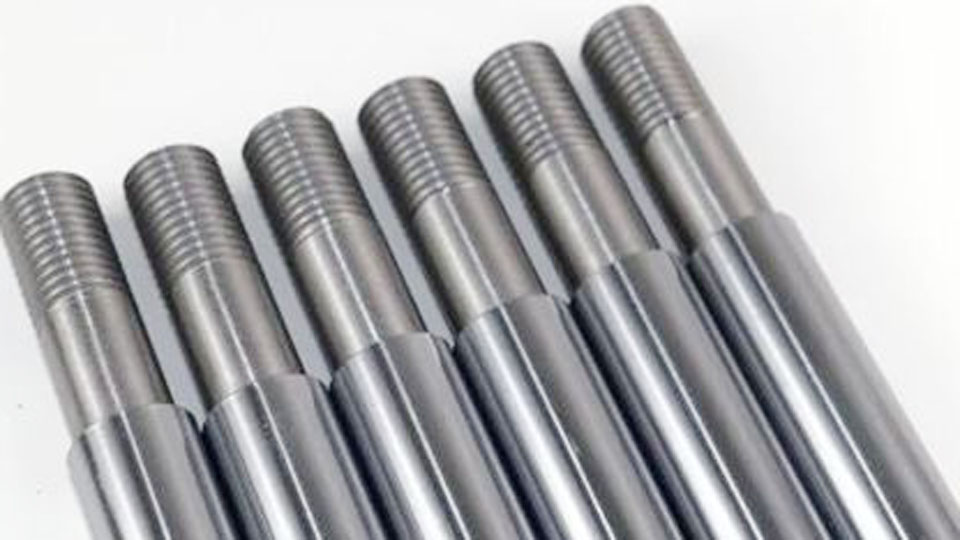
Photo by indiamart
About Chrome-Plated Steel
Chrome-plated steel is basically regular steel that’s been coated with a thin layer of chromium. This shiny surface looks great and resists corrosion well. You’ll find it in everything from motorcycle parts to industrial machinery and even home fixtures. The plating can be decorative or functional depending on how thick it is.
The issue is that chromium behaves differently under heat. When you weld over that plating, it can release toxic fumes and interfere with the weld’s quality if you don’t prep the surface properly.
Why Welding Chrome-Plated Steel Is Challenging
Here’s where things get tricky. Chromium doesn’t just melt and mix with steel like butter on toast. Instead, it forms a barrier that prevents good fusion. When heated, chromium can produce hexavalent chromium—a toxic substance you definitely don’t want in your lungs.
The other challenge is cracking. If you weld directly on chrome plating without removing it, the weld bead may not properly adhere to the base steel. That leads to brittle welds, surface cracks, and weak spots that’ll fail under pressure.
So while you can weld chrome-plated steel, you must approach it with caution and proper preparation.
Is It Safe to Weld Chrome-Plated Steel?
It can be, but only if you take the right safety steps. The biggest health concern here is inhaling hexavalent chromium fumes. These are dangerous and have been linked to serious health conditions.
You’ll need proper ventilation or a fume extraction system when welding. At the very least, a good respirator rated for welding fumes is a must. Don’t risk your lungs for a shiny weld—your health comes first.
Preparing Chrome-Plated Steel for Welding
Before striking an arc, you’ve got to prep the metal properly. Skipping this step is the fastest way to ruin a weld or get hurt. Here’s what I usually do:
Strip the Chrome
Use a grinder or sander to remove the chrome plating from the area you plan to weld. You’ll want to go deep enough to expose the bare steel. Make sure to clean an area slightly larger than your weld zone to prevent contamination.
Clean the Surface
After grinding, clean the metal with acetone or a similar degreaser. This helps remove oils, dust, and particles that might interfere with the weld.
Check for Residue
Chrome can sneak into cracks and pores, so make sure there’s no leftover plating near the weld site. If you do these steps thoroughly, your welds will be cleaner, stronger, and a lot safer.
Best Welding Methods for Chrome-Plated Steel
Once your surface is prepped, you’ll want to choose the right welding method. Some techniques handle chrome-plated materials better than others.
Here are the ones I recommend:
TIG Welding (Gas Tungsten Arc Welding)
TIG is my go-to method for chrome-plated steel, especially when working on thinner or more delicate parts. It gives precise control, clean welds, and minimal spatter. You’ll want to use a filler rod compatible with the base steel—not the chrome.
MIG Welding (Gas Metal Arc Welding)
MIG is also effective, especially for larger projects or when speed is a concern. You’ll need good prep work here, because MIG is a bit less forgiving than TIG when it comes to surface impurities.
Stick Welding (Shielded Metal Arc Welding)
Stick welding isn’t ideal for chrome-plated steel, but it’s doable in a pinch. Just know that it can be messier and more prone to spatter. It’s mostly useful for heavy-duty jobs or outdoor environments.
Here’s a quick comparison table to make things clearer:
| Welding Method | Best Use Case | Pros | Cons |
|---|---|---|---|
| TIG Welding | Thin, delicate parts | Precise, clean, minimal heat distortion | Slower process |
| MIG Welding | General use, larger jobs | Fast, good for volume work | Less precise, spatter if not cleaned well |
| Stick Welding | Heavy-duty work, outdoor repairs | Versatile, low equipment cost | More fumes, less tidy, harder to control |
Which Filler Rod Should You Use?
When welding chrome-plated steel, your filler rod should match the base steel—not the plating. ER70S-6 is commonly used for mild steel and works well for TIG and MIG.
If you’re unsure about what type of steel is underneath the chrome, doing a spark test or checking specs is smart before you start welding.
Dealing with Heat and Distortion
Chrome plating isn’t just shiny—it’s also brittle. Too much heat can cause the plating around your weld to bubble, flake, or discolor. Worse, it might crack after welding. That’s why it’s so important to control your heat input.
I always recommend short weld passes with time in between to cool down. This helps manage distortion and reduces the risk of warping the metal or damaging the chrome coating.
Replating After Welding
Welding usually destroys the chrome finish in and around the weld area. So if appearance is important—like with motorcycle parts or decorative hardware—you may need to replate it afterward.
You can polish and buff the area, but if you want that true chrome look, sending the piece to a chrome shop for re-coating is the way to go. Keep in mind that chrome plating involves chemicals and specialized equipment, so it’s not really a DIY job.
Common Mistakes to Avoid
I’ve made a few mistakes myself when I was just starting out, so here are some tips to help you avoid them:
- Welding Without Removing Chrome: This is a big one. Always grind off the chrome before welding.
- Ignoring Fumes: Hexavalent chromium fumes are dangerous. Never weld chrome-plated steel without proper ventilation or a respirator.
- Wrong Filler Metal: Use filler rods that match the base steel, not the chrome plating.
- Too Much Heat: Use shorter welds and let your piece cool between passes.
- Skipping Clean-Up: Even after grinding, make sure you clean the surface well with acetone or a degreaser.
When Not to Weld Chrome-Plated Steel
In some cases, it’s better not to weld chrome-plated steel at all. If the part is decorative or can be replaced cheaply, welding might not be worth the risk and effort.
If the chrome layer is too thick or heavily pitted, it might be more trouble than it’s worth to prep it. You could end up damaging the base metal in the process.
Can You Weld Over Chrome Without Grinding?
Technically, it’s possible—but not recommended. The weld quality will be poor, you’ll generate more toxic fumes, and the metal bond won’t be as strong. I’ve seen some welders try it for quick fixes, but honestly, it’s just not worth the risk.
Alternative Methods for Joining Chrome-Plated Parts
If welding isn’t a good option, there are a few alternatives:
- Brazing: This uses a lower-temperature filler metal and doesn’t melt the base metal. Good for small joints or when preserving the chrome finish matters.
- Mechanical Fastening: Bolts, clamps, or rivets are reliable if welding isn’t feasible.
- Adhesives: In low-stress applications, industrial-strength metal adhesives can bond chrome parts effectively without heat.
These methods are less risky and can save you a lot of time and effort, depending on the project.
Conclusion
So, can you weld chrome-plated steel? Absolutely—but it takes the right prep, technique, and safety measures. It’s not a beginner-level task, but if you follow the steps and respect the process, you can get great results.
I’ve welded everything from furniture frames to car bumpers with chrome finishes, and every time it comes down to this: prep well, stay safe, and weld smart. The biggest mistake is rushing the job or thinking that chrome behaves like regular steel.
Take your time, treat the material with respect, and you’ll have no problem making clean, durable welds that last.
FAQs
Can I weld chrome-plated steel without grinding off the chrome?
No, it’s not recommended. Welding directly over chrome can lead to poor fusion and toxic fumes. Always remove the plating before welding.
What kind of respirator should I use when welding chrome-plated steel?
Use a respirator rated for welding fumes, specifically one that filters out hexavalent chromium. A P100 or equivalent cartridge is a good choice.
Can I re-chrome a part after welding?
Yes, but it usually requires professional replating. You’ll need to strip and polish the area before taking it to a chrome shop.
Is TIG or MIG better for welding chrome-plated steel?
Both work well, but TIG welding gives you better control and cleaner results, especially for small or detailed parts.
What happens if I don’t remove all the chrome before welding?
You risk weak welds, cracking, poor appearance, and exposure to harmful fumes. Always prep the surface thoroughly.
Do I need a special filler rod for chrome-plated steel?
No, just use a filler that matches the base steel. The chrome layer should be removed before welding, so it won’t affect filler choice.
Is it possible to weld stainless steel that has chrome plating?
Yes, but the same rules apply—remove the chrome first, choose the right filler, and control your heat input.


