If you’re curious about how to stick weld mild steel, you’re in for a treat. I’ve been welding for years, and stick welding mild steel is one of my favorite things to do in the shop. It’s straightforward, versatile, and perfect for everything from fixing a fence to building a trailer. I still remember my first stick weld on mild steel—it was a bit lumpy, but the thrill of melting metal together was unforgettable!

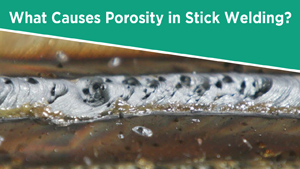
Image by thefabricator
I’m going to walk you through every step, sharing what I’ve learned from my own projects and mistakes. If you’re a beginner or brushing up on skills, I’ll keep it simple and fun, like we’re welding side by side. Let’s fire up that welder and get started!
What Is Stick Welding?
Stick welding, also called shielded metal arc welding (SMAW), is a process that uses a consumable electrode coated in flux to join metals. The electrode carries the electric current, creating an arc that melts both the electrode and the base metal to form a weld. The flux burns off, creating a gas shield and slag that protect the weld from contamination.
I love stick welding because it’s rugged and works almost anywhere—indoors, outdoors, even in windy conditions. It’s great for mild steel, which is a common, low-carbon steel used in construction, automotive, and DIY projects. Mild steel is easy to weld, affordable, and forgiving, making it perfect for beginners and pros alike.
Why Choose Stick Welding for Mild Steel?
Stick welding is a top choice for mild steel for a few reasons. First, it’s simple. You don’t need fancy equipment—just a welder, electrodes, and some safety gear. I’ve welded mild steel in my garage with a basic stick welder, and the results were solid. Second, it’s versatile. You can weld thick or thin mild steel, rusty or clean, in any position—flat, vertical, or overhead.
Another big plus is durability. Stick welds on mild steel are strong and hold up in tough conditions, like outdoor structures. I once welded a mild steel gate that’s still standing after years of rain and snow. Stick welding is budget-friendly. Electrodes are cheap, and you don’t need shielding gas like with MIG welding. If you’re working with mild steel, stick welding is a reliable go-to.
Tools and Equipment You’ll Need
Before you start, let’s gather your gear. I always make sure I have everything ready to avoid mid-weld interruptions. Here’s what I use for stick welding mild steel:
- Stick welder (AC or DC, 100–200 amps for most jobs).
- Welding electrodes (like 6011, 6013, or 7018 for mild steel).
- Electrode holder (stinger) and ground clamp with leads.
- Welding helmet with a shaded lens (shade 10–12).
- Flame-resistant gloves and jacket.
- Safety glasses for chipping slag.
- Wire brush and chipping hammer for cleaning welds.
- Angle grinder or file for prepping metal.
- Mild steel workpiece and clamps to hold it steady.
- Ventilation fan or open area to clear fumes.
I started with a basic Lincoln Electric welder, and it’s still my favorite for mild steel. If you’re buying electrodes, check their size—1/8-inch is versatile for most projects.
Choosing the Right Electrode for Mild Steel
Picking the right electrode is crucial. The electrode you choose affects your weld’s strength, and ease of use. I’ve tried a bunch of electrodes on mild steel, and here are my go-tos:
E6011: Great for all positions and dirty or rusty steel. It digs deep, so I use it for repairs or outdoor jobs. It runs on AC or DC.
E6013: Easy to use, perfect for beginners. It gives smooth, clean welds on thinner mild steel. I used it for a sheet metal project, and the beads were gorgeous. Works on AC or DC.
E7018: Strong, low-hydrogen electrode for high-quality welds. It’s my pick for structural work, like beams or heavy equipment. Needs clean metal and DC power, and you must store it dry to avoid cracks.
Each electrode has a number that tells you its properties. For example, “60” in 6011 means 60,000 psi tensile strength, and the last digit (like “1” or “3”) indicates position and polarity. I keep a cheat sheet in my shop to match electrodes to my projects. For mild steel, 1/8-inch 6013 or 7018 is usually my starting point.
Setting Up Your Welder
Getting your welder set up right is half the battle. Here’s how I do it:
Check the Machine
Make sure your welder is off and unplugged. Inspect the leads for damage—I had a frayed cable once that caused a weak arc. Connect the electrode holder to the positive port and the ground clamp to the negative port for DCEP (most common for mild steel electrodes).
Set Polarity
Most mild steel electrodes (like 7018) use DC electrode positive (DCEP). If you’re using an AC welder, polarity doesn’t matter, but DC gives better control. I check the electrode’s packaging to confirm.
Adjust Amperage
The right amperage depends on the electrode size and metal thickness. For a 1/8-inch 6013, I start at 90–110 amps. For 7018, I go 100–140 amps. Too low, and the rod sticks; too high, and you burn through. I test on scrap metal first.
Connect the Ground Clamp
Attach the clamp to your workpiece or a metal table touching the workpiece. Clean the clamp spot with a wire brush—rust or paint can mess up the current. I make sure it’s tight to avoid arcing.
I always do a quick once-over to ensure everything’s secure before striking an arc.
Preparing the Mild Steel
Mild steel is forgiving, but it welds best when prepped properly. I’ve rushed this step before, and my welds were full of slag inclusions. Here’s how I prep:
Clean the Metal: Remove rust, paint, or oil with a wire brush, grinder, or sandpaper. I use acetone to wipe off grease. Clean metal means cleaner welds.
Bevel Thick Steel: For steel over 1/4-inch thick, I bevel the edges with a grinder to create a V-shape. This helps the weld penetrate deeper. I skipped this once, and the weld was weak.
Fit-Up: Align the pieces with a small gap (about 1/16 inch) for the weld. I use clamps or a vise to hold them steady. Misaligned pieces make ugly welds.
Check Thickness: Thin steel (under 1/8 inch) needs lower amps to avoid burn-through. I measure with a caliper to be sure.
Good prep takes a few minutes but saves you from fixing bad welds later. I always clean both sides of the joint for the best results.
Step-by-Step Guide to Stick Welding Mild Steel
Now, let’s weld! Here’s how I stick weld mild steel, step by step, based on years of trial and error.
Step 1: Gear Up for Safety
Safety is non-negotiable. I put on my welding helmet, gloves, and flame-resistant jacket before touching the welder. Stick welding creates bright arcs and hot slag, and I’ve got a small scar from a slag burn when I skipped my jacket. Wear safety glasses under your helmet for chipping slag. Work in a well-ventilated area—I use a fan to clear fumes.
Step 2: Insert the Electrode
Pick your electrode and slide it into the electrode holder (stinger). I make sure it’s secure—a loose rod can wobble and mess up your weld. For a flat weld on 1/4-inch mild steel, I often use a 1/8-inch 7018 rod. Angle the rod so the tip points where you’ll start welding.
Step 3: Strike the Arc
Striking an arc is like lighting a match. I tap the rod against the metal or drag it like striking a matchstick. If it sticks, give it a quick twist to break free. I practiced this on scrap metal for hours to get the hang of it. Once the arc starts, hold the rod about 1/8 inch from the metal to maintain a steady arc.
Step 4: Lay the Weld
Move the rod along the joint at a steady pace, keeping the arc short. I aim for a 5–10-degree angle, dragging the rod toward the weld pool. For a 7018 rod, I use a slight weave or zigzag motion to fill the joint. If the arc sounds like bacon sizzling, you’re doing it right. Too fast, and the weld is thin; too slow, and it piles up.
For thin steel, I use a 6013 rod and lower amps (70–90) to avoid burn-through. I keep my movements smooth and watch the weld pool to control the bead shape.
Step 5: Clean the Weld
After welding, the slag (hardened flux) covers the weld. I let it cool for a minute, then chip it off with a chipping hammer. A wire brush cleans up any remaining bits. I love this part—it’s like unwrapping a gift to see the shiny weld underneath. Inspect for cracks or holes and re-weld if needed.
Step 6: Repeat for Multiple Passes
For thick steel or strong joints, you may need multiple passes. I clean the first weld thoroughly, then lay another bead over it. Each pass adds strength. I did this on a trailer frame, and it’s held up for years.
Table: Common Electrodes for Mild Steel
Here’s a table based on my experience to help you choose electrodes:
| Electrode | Best For | Polarity | Amperage (1/8-inch) |
|---|---|---|---|
| E6011 | Dirty/rusty steel, all positions | AC/DC+ | 80–120 amps |
| E6013 | Thin steel, beginner-friendly | AC/DC+ | 70–110 amps |
| E7018 | Structural welds, clean steel | DC+ | 100–140 amps |
Tips for Better Stick Welds
I’ve picked up some tricks over the years to make stick welding mild steel easier. Here’s what works for me:
- Practice Striking the Arc: It takes time to get smooth. I spent hours on scrap to master it.
- Keep Rods Dry: Wet 7018 rods cause cracks. I store mine in a rod oven or airtight container.
- Control Your Speed: A steady pace gives even beads. I practice on a marked line to stay consistent.
- Watch the Weld Pool: The pool shows if you’re moving too fast or slow. I adjust based on its size and shape.
- Test on Scrap: Before welding your project, test your settings on scrap metal. I always do this to avoid surprises.
These tips have turned my welds from “meh” to “wow.” Practice makes all the difference.
Common Mistakes to Avoid
I’ve made plenty of mistakes stick welding mild steel. Here’s what to watch out for:
- Dirty Metal: Welding on rusty or oily steel causes porosity. I always clean thoroughly.
- Wrong Amperage: Too high burns through; too low makes the rod stick. I test settings first.
- Poor Arc Control: A long arc causes spatter and weak welds. I keep the rod close to the metal.
- Skipping Safety: No helmet or gloves? Bad idea. I got arc flash in my eye once—never again.
- Bad Positioning: Slouching or holding the rod awkwardly makes uneven welds. I set up comfortably.
Avoid these, and you’ll save time and frustration. I learned the hard way so you don’t have to!
Troubleshooting Weld Imperfections
Even with practice, welds can go wrong. Here’s how I fix common issues:
- Porosity (Holes): Caused by dirty metal or poor shielding. Clean the steel and check your rod’s flux.
- Undercut (Grooves): Happens from too fast travel or high amps. Slow down and lower the amperage.
- Spatter: Too high amps or wrong polarity. Adjust settings and check electrode requirements.
- Sticking Rod: Low amperage or damp rod. Increase amps and use dry rods.
I inspect every weld with a flashlight to catch flaws early. Fixing them right away keeps your project strong.
When to Seek Help
If your welds keep failing or your welder isn’t working right, don’t give up. I had a welder that wouldn’t hold an arc, and it turned out to be a faulty lead. Check connections, polarity, and settings first. If you’re still struggling, take a welding class or ask a pro. I took a community college welding course, and it was a game-changer. Local welding shops can also troubleshoot equipment issues.
FAQs About Stick Welding Mild Steel
What’s the best electrode for mild steel?
E6013 is great for beginners and thin steel. E7018 is best for strong, structural welds. Check the project and metal thickness.
Do I need a DC welder for mild steel?
No, AC welders work fine with electrodes like 6011 or 6013. DC gives better control, especially for 7018 rods.
Why does my electrode stick to the metal?
It’s usually low amperage or a wet rod. Increase amps slightly and use dry electrodes. Practice striking the arc smoothly.
Can I weld rusty mild steel?
Yes, but clean it first. E6011 handles rust better than other rods, but a clean surface gives stronger welds.
How do I avoid burn-through on thin steel?
Use a 6013 rod, lower amps (70–90), and move quickly. I also use short welds to control heat.
Is stick welding safe for beginners?
Yes, but wear proper gear—helmet, gloves, and jacket. Work in a ventilated area and keep the welder off when not in use.
Conclusion
Picking electrodes to troubleshooting bad welds, I hope you’re pumped to grab your welder and start laying beads. I’ve had my share of messy welds and stuck rods, but every project taught me something new. There’s nothing like the satisfaction of a clean, strong weld on mild steel, knowing it’ll hold up for years.
If you’re fixing a gate, building a workbench, or just learning the ropes, stick welding is a skill that opens doors. So, fire up that welder, practice on some scrap, and don’t be afraid to make mistakes—they’re part of the journey. I’m rooting for you to create some killer welds. Let me know how your next project goes—I’d love to hear about it!